

Chilean lemon cookies, or galletas de limón, are crisp butter cookies flavored with the juice and zest of a fresh lemon, made with flour, powdered sugar, and one egg. They take 45 minutes of preparation, including 30 minutes of chilling the dough, plus 15 to 20 minutes in the oven, and make enough for 6 people.
They are very versatile, ideal to serve alongside other desserts or on their own with a good coffee, a mild tea, or a glass of warm milk at breakfast or at the Chilean once.
How to Make Chilean Lemon Cookies?
Lemon cookies are made by adding both the juice and the zest of one lemon, taking only the yellow part of the peel and leaving out the bitter white pith. Optionally, you can add a little lemon flavoring and a touch of yellow food coloring to make their flavor and appearance stand out even more.
Nutritional Information
Each serving of lemon cookies contains approximately 370 kcal, 50 g of carbohydrates, 17 g of fat, 4 g of protein, 1 g of fiber, 25 g of sugars, and 150 mg of sodium. These values are estimates and may vary depending on ingredients and portion sizes.
Homemade Chilean Lemon Cookies Recipe
Preparation: 45 minutes
Cooking: 20 minutes
Servings: 6 people
Ingredients
- 225 g (1¾ cups) of all purpose flour
- 115 g (½ cup) of butter, at room temperature
- 100 g (¾ cup) of powdered sugar
- 1 egg
- 1 lemon
- 1 pinch of salt
- 1 teaspoon of baking powder

Instructions
- Preheat the oven to 180°C (356°F) for at least 10 minutes. In a large bowl, combine the room temperature butter and the powdered sugar and mix until you get a smooth, soft cream. Add the egg and keep beating.
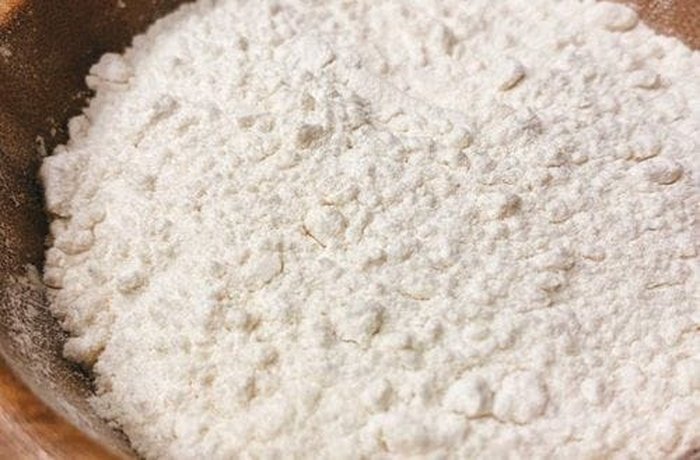
- Add the lemon zest and juice and mix well, then add the sifted flour, the pinch of salt, and 1 teaspoon of baking powder, and mix until you get a dough that does not stick to your hands, adding more flour if needed. Cover and let it rest in the refrigerator for 30 minutes. Shape small balls of dough and flatten them carefully with the palm of your hand.

- Arrange them on a baking tray lined with parchment paper and bake for 15 to 20 minutes with top and bottom heat. Remove and let them cool at room temperature. Serve the lemon cookies once cool, on their own or with other desserts, at breakfast or at teatime.
Additional Tips
Adjust the texture
For softer cookies, reduce the baking time by 2 to 3 minutes. If you prefer them crunchier, leave them in 2 to 3 minutes longer, making sure they do not burn.
Add a simple glaze
For a more professional presentation, prepare a simple glaze by mixing powdered sugar with a little lemon juice. Dip the cookies once they are cool and let the glaze set.
Zest only the yellow part
Grate only the yellow outer layer of the lemon peel. The white pith underneath is bitter and can spoil the fresh citrus flavor of the dough.
| Original ingredient | Substitute | Ratio | Flavor note |
|---|---|---|---|
| Butter | Margarine | 1:1 | Less rich |
| Egg | 1 tbsp cornstarch + 3 tbsp water | 1 egg | More crumbly |
| Lemon | Orange | 1:1 | Sweeter, milder |
| Powdered sugar | Superfine sugar | 1:1 | Slightly grainier |
Frequently Asked Questions (FAQs)
1. Can I use bottled lemon juice?
It is not recommended, since bottled juice is a substitute that also contains preservatives and has a less fresh flavor, which directly affects the final result.
The dough may be too dry. Make sure the butter is at room temperature, not melted. If needed, add a teaspoon of cold milk or water to the dough to improve its consistency.
Yes, you can replace the egg with 1 tablespoon of cornstarch dissolved in 3 tablespoons of water, although the texture will be a little more crumbly.
The cookies keep well for up to a week in an airtight container at room temperature. To keep them fresh, store them in a cool, dry place.
What Are Chilean Lemon Cookies?
Galletas de limón are simple homemade butter cookies, flattened by hand and baked until crisp, found in many Chilean home kitchens. They are a typical companion for the afternoon once, the Chilean teatime, and can be served plain, glazed, or sandwiched with lemon curd.
Benefits of Lemon
Lemon is a fruit known for its high vitamin C content, a nutrient that contributes to the normal function of the immune system. In these cookies its main role is flavor, since the zest carries most of the aromatic oils of the fruit.
Did You Know?
The Spanish word galleta comes from the French galette, used for a thin, round cake, a diminutive of galet, meaning pebble in Old French, with first references dating back to 1636.
How to adapt this recipe to a vegan or vegetarian version?
How to adapt this recipe to a gluten-free version?
How to adapt this recipe to a keto (ketogenic) version?
Recommended
- Cat Tongue Cookies Recipe
- Chilean Maqui Jam Cookies Recipe
- Chilean Mantecados Shortbread Cookies Recipe
- Homemade Vanilla Cut Out Cookies Recipe