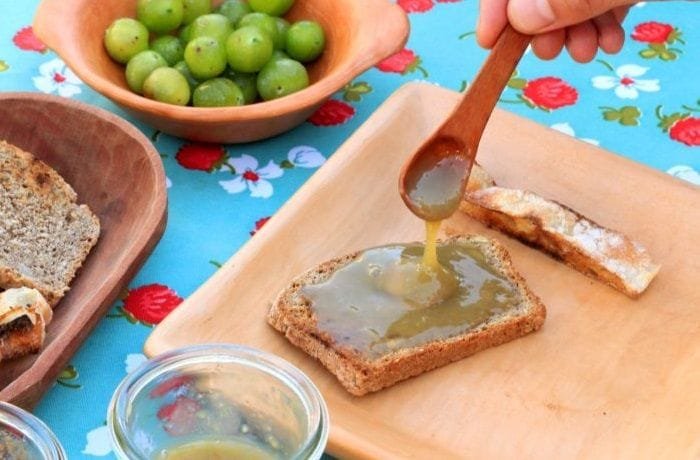
Chilean mermelada de lleuque is a translucent green jam made by blanching lleuques (mountain grapes), pressing them through a fine sieve to extract the pulp, and cooking the pulp with lemon juice, sugar mixed with pectin, and grated ginger, then jarring and sterilizing it. It takes 30 minutes of preparation plus 20 minutes of cooking and makes 12 servings.
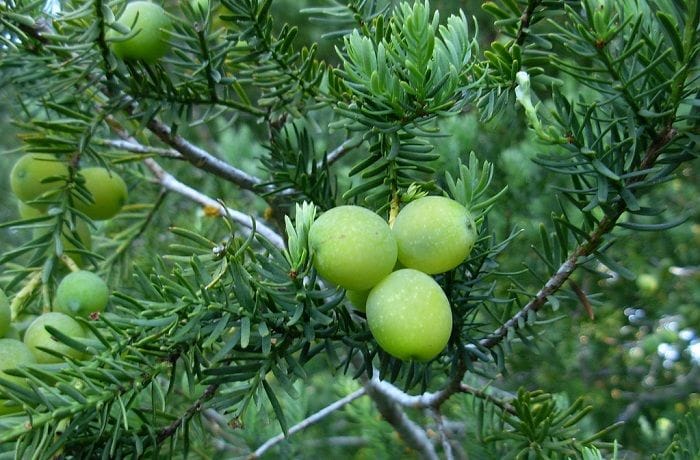
The lleuque, also called uva de la cordillera, is an endemic Chilean fruit that grows in the Andean foothills between the Maule and Los Lagos regions.
How to Make Lleuque Jam?
Lleuque is a green, sweet, fleshy fruit with a gelatinous texture that makes it ideal for juices, desserts, and jam. The fruit is blanched briefly to loosen the pulp, pressed, and cooked with sugar and pectin.
Nutritional Information
Each serving of lleuque jam contains approximately 80 kcal, 20 g of carbohydrates, 1 g of fiber, 19 g of sugars, and 2 mg of sodium. These values are estimates and may vary depending on ingredients and portion sizes.
Homemade Chilean Mermelada de Lleuque Recipe
Preparation: 30 minutes
Cooking: 20 minutes
Servings: 12
Ingredients
- 1 1/2 kg (3.3 lb) of lleuques (mountain grapes)
- 150 g (3/4 cup) of sugar
- 3 teaspoons of pectin
- 2 tablespoons of lemon juice
- 1 teaspoon of grated fresh ginger
- Boiling water

Instructions
- Bring about 4 liters of water to a boil in a large pot, add the lleuques, and blanch over medium heat for a couple of minutes. Drain and let cool. Press the lleuques through a fine sieve into a large bowl to extract the pulp, heat the leftover skins and seeds in 1/2 liter of boiling water for two more minutes, and strain again into the pulp.
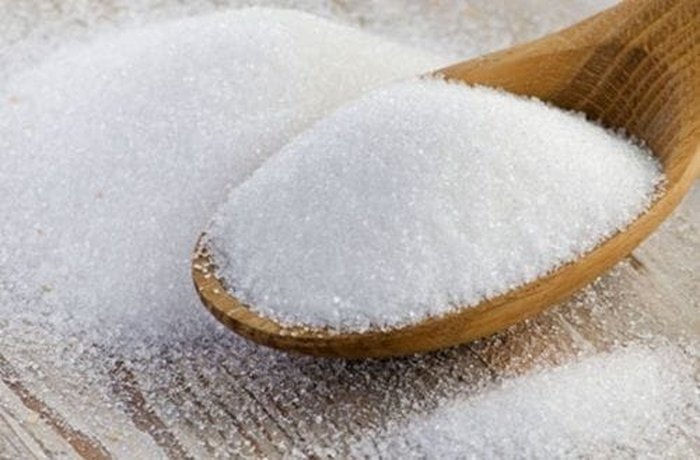
- In a small bowl, mix the sugar with the pectin and set aside. Pour the lleuque pulp and lemon juice into a medium pot and heat gently to a boil. Add the sugar and pectin mixture and stir until fully dissolved, then add the grated ginger, bring back to a boil while stirring gently, and turn off the heat.
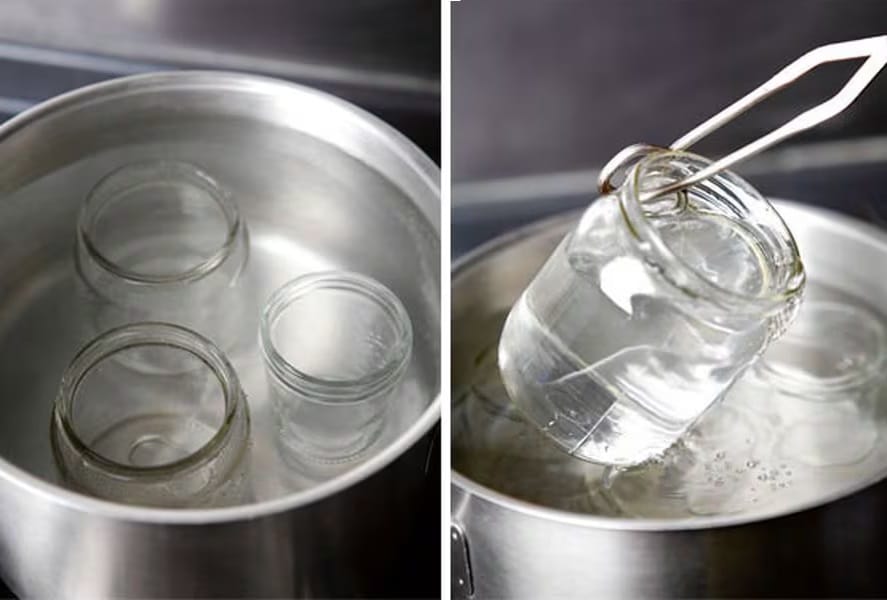
- Pour the hot jam into clean, sterilized glass jars and close them. Place the jars on a cloth in a pot, cover with water to about 4 cm (1 1/2 in) above them, bring to a boil, and simmer for 10 minutes. Remove carefully and let cool. Store in a cool, dry place and refrigerate once opened.
Additional Tips
Blanch briefly
Boiling the lleuques for just a couple of minutes softens the skin and pulp for easy sieving without losing their fresh flavor.
Mix pectin with sugar
Combining pectin with the sugar before adding it prevents lumps.
Use white sugar
White sugar keeps the jam’s bright green color better than brown sugar.
| Original ingredient | Substitute | Ratio | Flavor note |
|---|---|---|---|
| Lleuques | Green grapes | 1:1 | Less gelatinous |
| Pectin | Gelatin | 1:1 | Softer set |
| White sugar | Brown sugar | 1:1 | Darker color |
| Ginger | Omit | Milder |
Frequently Asked Questions (FAQs)
1. What does lleuque taste like?
It is very sweet and fleshy, like a grape but denser and more gelatinous, with a subtle flavor reminiscent of wild honey.
2. Where does lleuque grow?
It is endemic to the Andean foothills of Chile, between the Maule and Los Lagos regions.
3. Why add ginger?
Ginger adds a citrusy, spicy note that balances the intense sweetness of the fruit.
4. Can I use a sweetener instead of sugar?
Yes, choose one suitable for cooking and adjust the amount of pectin.
What Is Lleuque?
Lleuque (Prumnopitys andina) is a native Chilean conifer whose fleshy, grape-like seed coverings are eaten as fruit, known as uva de la cordillera.
Benefits of Lleuque
Lleuque is rich in antioxidants, and some studies suggest it may have prebiotic properties.
Did You Know?
In the Ñuble region, in the commune of Pinto, there is a village called Los Lleuques, named after the trees that still grow there.