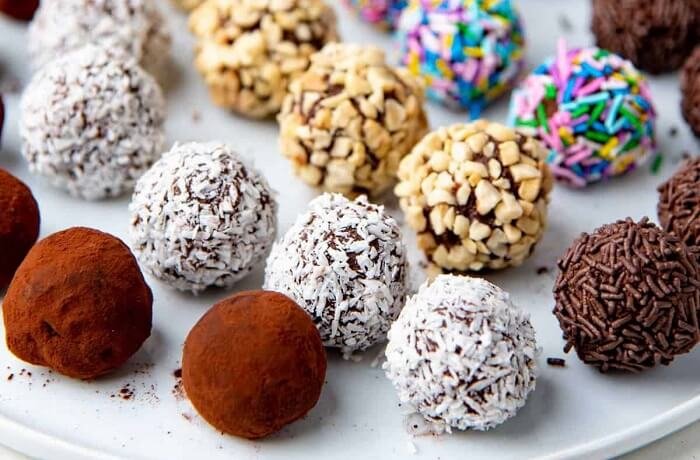
Homemade chocolate truffles are small balls of ganache made from semisweet chocolate melted with hot cream and enriched with soft unsalted butter, chilled until firm, shaped by hand, and rolled in cocoa powder or other coatings. They take 30 minutes of preparation and 10 minutes of cooking, plus at least 4 hours of chilling, and serve 6.
A European sweet named for its resemblance to the truffle, the prized underground fungus of French cuisine.
How to Make Chocolate Truffles?
They are made mainly with semisweet chocolate, cream, and butter, with no added sugar, and can be flavored with cinnamon or orange zest. The chocolate is melted, the hot cream and butter are folded in, and the ganache rests until it can be shaped.
Nutritional Information
Each serving of chocolate truffles contains approximately 590 kcal, 31 g of carbohydrates, 51 g of fat, 6 g of protein, 2 g of fiber, 20 g of sugars, 60 mg of cholesterol, and 25 mg of sodium. These values are estimates and may vary depending on ingredients and portion sizes.
Homemade Chocolate Truffles Recipe
Preparation: 30 minutes (plus 4 hours chilling)
Cooking: 10 minutes
Servings: 6
Ingredients
- 400 g of semisweet chocolate
- 150 ml (⅔ cup) of heavy cream
- 100 g (7 tablespoons) of unsalted butter, softened
- Cocoa powder, for coating
Instructions
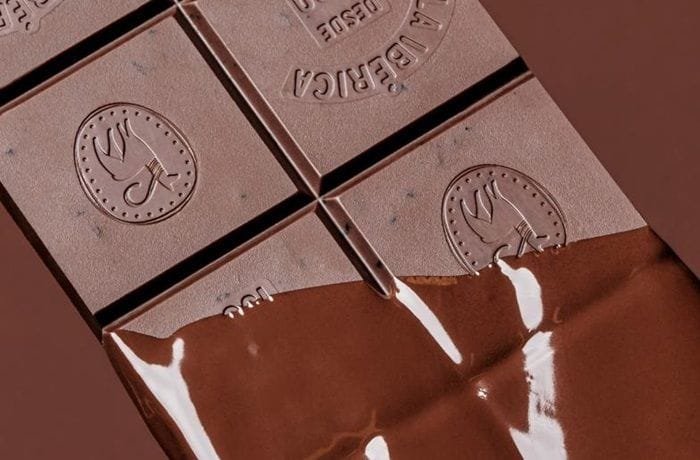
- On a cutting board, chop the chocolate into small pieces, place it in a bowl, and melt it over a water bath, stirring gently. In a small pot, heat the cream until just before boiling and pour it over the chocolate.
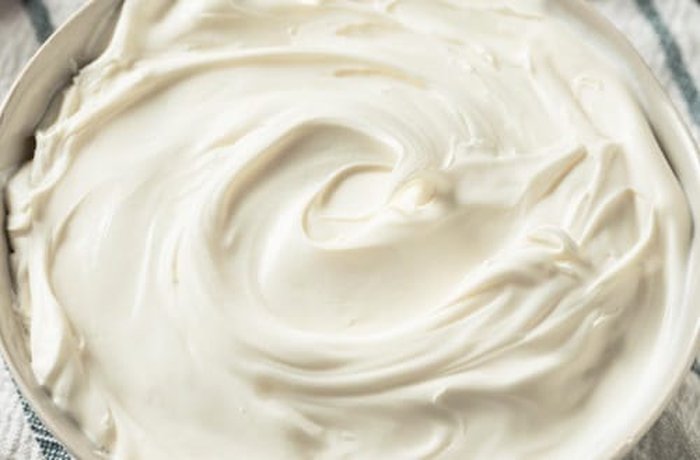
- Stir until smooth, add the softened butter, and fold everything together. Let it cool overnight at room temperature or for 4 hours in the fridge. Scoop a spoonful of the mixture and roll it into a ball with your hands.
- Roll the truffles in chocolate sprinkles, colored sprinkles, cocoa powder, or white chocolate. Set them on a large plate and continue with the rest. Serve as a sweet treat or alongside another dessert.
Additional Tips
Choose a dark chocolate
Use chocolate with at least 60 to 70% cacao. It intensifies the flavor, firms up the ganache, and lets you control the sweetness.
Keep your hands cold
Warm hands melt the ganache. Wear cold kitchen gloves or chill your hands in ice water and dry them well before shaping.
Flavor them
Add a little liqueur, cinnamon, or orange zest with the butter for different versions.
| Original ingredient | Substitute | Ratio | Flavor note |
|---|---|---|---|
| Cocoa powder coating | Chopped nuts | ½ cup | Crunchy |
| Cocoa powder coating | Grated white chocolate | ½ cup | Contrasting color |
| Plain ganache | With 2 tablespoons of liqueur | 2 tablespoons | Grown up version |
| Heavy cream | Coconut cream | 150 ml | Dairy free, use vegan butter |
Frequently Asked Questions (FAQs)
1. Can I add liqueur to chocolate truffles?
Yes, truffles flavored with liqueur are one of the best known variations. Add a small amount to the chocolate and cream along with the butter so the ganache does not get too soft.
2. Why are they called truffles?
Because their shape and cocoa coating imitate the truffle, an edible underground fungus highly prized in French cuisine. Chocolate truffles originated in Europe, in Belgium and France.
3. Which chocolate is best for truffles?
A semisweet chocolate with at least 60 to 70% cacao. It gives a deeper flavor and firmer ganache, and since the recipe has no added sugar, it lets you control the sweetness.
4. How long does the ganache need to chill?
Overnight at room temperature or about 4 hours in the fridge, until firm. Work with cold hands so the heat does not melt it.
Origin of Chocolate Truffles
Chocolate truffles come from Europe, specifically Belgium and France. They were first made with chocolate, cream, and a cocoa coating and later evolved into versions filled with liqueur, dried fruit, and nuts.
Did You Know?
Real truffles grow underground in sunny areas, typically between 700 and 1,300 meters above sea level, where the average annual temperature is 11 to 14°C and rainfall exceeds 600 mm a year.
How to adapt this recipe to a vegan or vegetarian version?
How to adapt this recipe to a gluten-free version?
How to adapt this recipe to a keto (ketogenic) version?
Recommended
- Chocolate Truffle Cake Recipe
- Red Wine Truffles Recipe
- Homemade Chocolate Brownies Recipe
- Chilean Calugas Soft Caramels Recipe