
Chilean crema ácida is a quick homemade sour cream made by folding salted lemon juice into plain or Greek yogurt and chilling it for 30 minutes, with optional black pepper or merkén. It takes 10 minutes of preparation and serves 4 people.
It is a simple, versatile side, popular throughout Latin American cooking, ideal with grilled meats, salads, sandwiches, and tortillas.
How to Make Crema Ácida?
Crema ácida needs only a few ingredients, using unsweetened plain yogurt or good quality Greek yogurt as the base. Lemon juice with salt adds the tangy note, and a short rest in the refrigerator lets it set.
Nutritional Information
Each serving of crema ácida contains approximately 40 kcal, 1 g of protein, 3 g of total fat (2 g of saturated fat), 15 mg of cholesterol, 2 g of carbohydrates (1 g of sugars), and 40 mg of sodium. These values are estimates and may vary depending on ingredients and portion sizes.
Homemade Crema Ácida Recipe
Preparation: 10 minutes
Chilling: 30 minutes
Servings: 4 people
Ingredients
- 240 g (1 cup) of plain yogurt
- 10 ml (2 teaspoons) of lemon juice
- Fine salt
- Black pepper (optional)
- Merkén (optional)

Instructions
- In a small bowl, mix the lemon juice with a pinch of salt until it dissolves completely. Place the plain or Greek yogurt in a bowl and slowly pour in the lemon juice, folding gently just until combined. Cover with plastic wrap and refrigerate for 30 minutes.
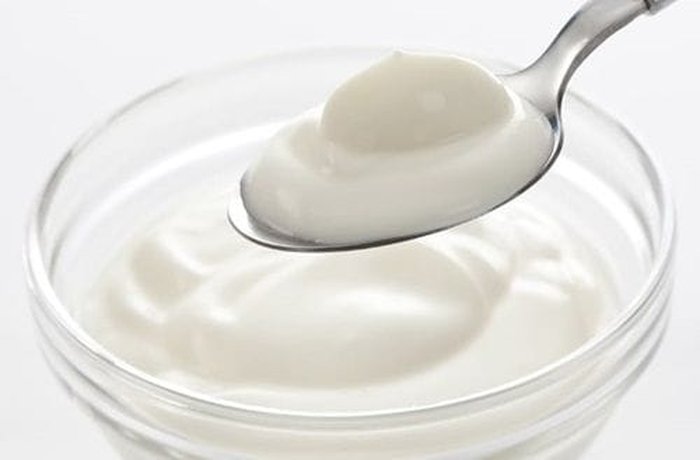
- Take the crema ácida out of the refrigerator, stir briefly, and if you like, add a touch of freshly ground black pepper or a pinch of merkén. Serve it with grilled or roasted beef and chicken, with salads, or in sandwiches.
Additional Tips
Try the cream version
Many cooks prefer heavy cream with a few drops of lemon juice or white vinegar instead of yogurt for a richer result.
Adjust the flavor
If it tastes flat or too sour, add a pinch of sugar or a teaspoon of whole milk before serving.
Fold, do not whisk
Mixing too hard breaks the yogurt’s protein network and makes the cream runny.
| Original ingredient | Substitute | Ratio | Flavor note |
|---|---|---|---|
| Plain yogurt | Greek yogurt | 1:1 | Thicker, creamier |
| Lemon juice | White vinegar | 1:1 | Sharper, more neutral acidity |
| Yogurt | Heavy cream | 1:1 | Richer, higher fat |
| Merkén | Smoked paprika | To taste | Less heat |
Frequently Asked Questions (FAQs)
1. Why did my crema ácida turn runny?
Usually the yogurt had a lot of whey or was mixed too fast, which breaks the protein network. Let it rest longer in the cold or use Greek yogurt.
2. What is the difference between using lemon and vinegar?
Lemon adds fresh citrus notes, while white vinegar gives a sharper, more neutral acidity. Lemon is preferred for cold uses.
3. Can I use it in hot dishes?
Because it is yogurt based and lower in fat than cream, it can curdle if boiled. Add it at the end of cooking or use it as a cold topping.
4. How long does it keep in the refrigerator?
It keeps well for 3 to 5 days. If a little clear whey separates on top, simply stir it back in before serving.
What Is Crema Ácida?
Crema ácida, also called crema agria or nata agria, is the Spanish name for sour cream. This quick version uses yogurt and lemon juice instead of cultured cream, giving a light, tangy topping in minutes.
Bacteria and Fermented Creams
Traditional sour cream is made by fermenting cream with lactic acid bacteria, the same family of microorganisms that turn milk into yogurt.

Did You Know?
Sour creams were originally made in temperate regions, where fermentation happened around 25 to 30 C with mesophilic bacteria, while yogurt comes from warmer regions, where it fermented at 40 to 45 C with thermophilic bacteria.
How to adapt this recipe to a vegan or vegetarian version?
How to adapt this recipe to a gluten-free version?
How to adapt this recipe to a keto (ketogenic) version?
Recommended
- Homemade Chilean Pebre Recipe
- Chilean Grilled Strip Loin Steak
- Chilean Potato Salad Recipe
- Chilean Yogurt Loaf Cake