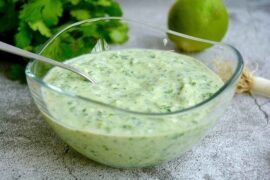
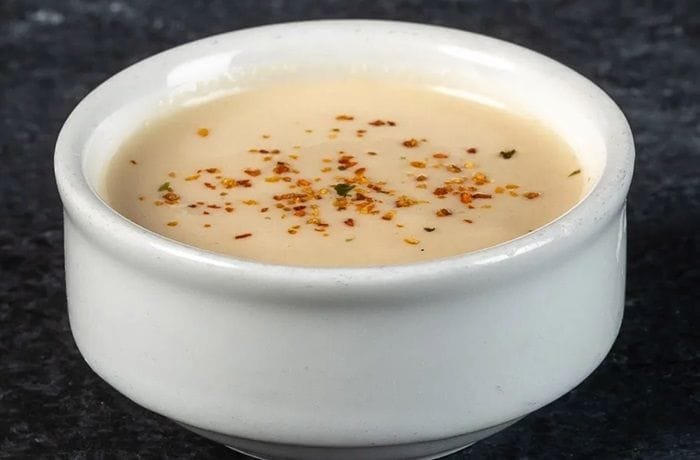
Acevichada sauce is a delicious, versatile blend that combines fresh, spiced flavors, perfect alongside fish, shellfish, chicken, or even as a salad dressing, a genuinely tasty fusion of textures and flavors.
Nutritional Information
Each serving of acevichada sauce contains approximately 75 kcal, 3 g of carbohydrates, 6 g of fat, 2 g of protein, 1 g of fiber, 1 g of sugars, 25 mg of cholesterol, and 500 mg of sodium. (*)
(*) Values may vary depending on ingredients and portion sizes.
How to Make Acevichada Sauce?
This sauce takes its inspiration from ceviche, keeping its signature bright flavors, though adding a bit of fish is optional, turning them instead into a creamy, delicious sauce meant to accompany other dishes.
Prep time: 15 minutes
Servings: 4 people
Ingredients
- 3 juicy limes
- 3 sprigs cilantro
- 2 garlic cloves
- 1 egg
- 1 tablespoon ginger
- 1 teaspoon soy sauce
- 1 teaspoon salt
- ½ celery stalk
- ¼ red onion
- Sunflower oil
- Togarashi seasoning

Instructions
- In a blender, combine the fish, egg, salt, lime juice, soy sauce, onion, garlic, fresh cilantro sprigs, ginger, and celery; cover and blend for about 5 to 10 minutes until fully combined.

- Open the blender’s small feeder cap and, without stopping the motor, pour in the oil in a slow, steady stream to form a mayonnaise-like emulsion, about 30 to 40 seconds. Turn off the blender.
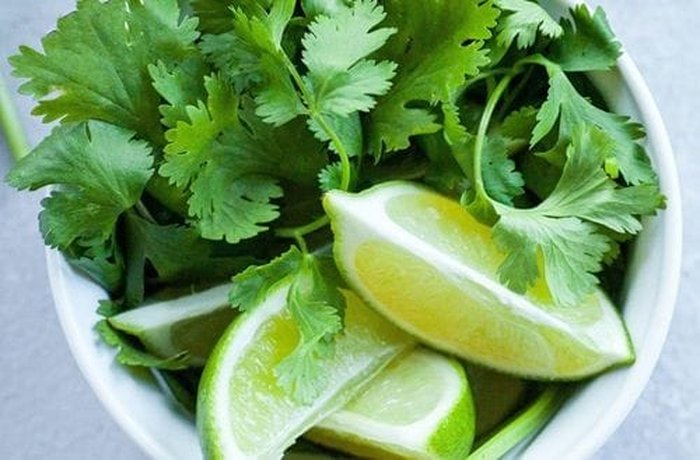
- Check the consistency and seasoning, adjusting if needed. Transfer to a bowl, optionally sprinkle with a touch of togarashi to taste, and serve alongside fish, chicken, sushi, or salads.
Preparation Tips
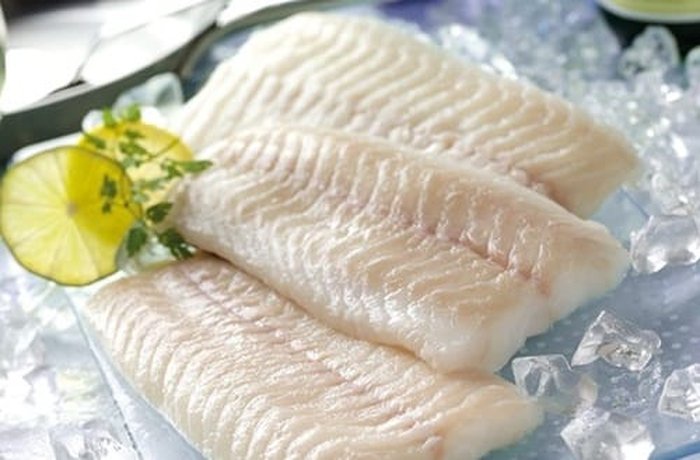
You can optionally add about 50 g (1.8 oz) of white fish to the mix to deepen the ceviche flavor, and/or a teaspoon of aji-no-moto seasoning.
| Substitution | Use instead of | Effect |
|---|---|---|
| Sole or another mild white fish | Hake | Similar mild flavor and texture |
| Neutral vegetable oil | Sunflower oil | Same neutral base for the emulsion |
| Chili flakes | Togarashi | Heat without the citrus, sesame notes |
| Immersion blender | Countertop blender | Same result, more manual control |
Frequently Asked Questions (FAQs)
1. What exactly is togarashi, and why use it?
Togarashi is a Japanese seven-spice blend that includes chili, mandarin peel, and sesame. It adds a subtle heat and dry citrus notes that complement the fresh lime juice, giving the sauce a visually appealing finish with its small flecks of red.
2. Can I use olive oil instead of sunflower oil?
Technically you can, but it’s not recommended. Olive oil has a very dominant flavor that competes with the ginger and cilantro. Sunflower oil is neutral, letting the “ceviche” aromas take center stage.
3. How long can it be stored?
Since it contains raw egg and fish, its shelf life is short. It’s best consumed immediately or refrigerated for a maximum of 24 hours. The lime helps preserve it, but doesn’t eliminate the risk of the emulsion losing freshness.
4. How can I make it without a blender?
You can use an immersion blender instead. The process is the same, process the solids with the liquids, then emulsify with the oil. The key is keeping the blade at the bottom until the mixture starts to thicken.
5. What type of white fish works best for the optional touch?
Any firm, mild white fish works, but sole or flounder are ideal for their gentle flavor. Avoid oily fish like salmon for this step, since it would change the sauce’s color and texture too much.
History and Origin of Acevichada Sauce
Acevichada sauce is one of the biggest contributions of Nikkei (Japanese-Peruvian) fusion cuisine. Its specific turning point came in the 1990s with the rising popularity of sushi rolls.
Did You Know?
Acevichada sauce is an excellent source of vitamin C and antioxidants, thanks to the lime and fresh vegetables, and it’s also known for stimulating the appetite while remaining light on the stomach.
How to adapt this recipe to a vegan or vegetarian version?
How to adapt this recipe to a gluten-free version?
How to adapt this recipe to a keto (ketogenic) version?
Recommended
- Homemade Sweet and Sour Sauce
- Homemade Chimichurri Sauce
- Chilean Hake Scrambled Eggs with Merkén
- Chilean Tropical Gin and Passion Fruit Cocktail