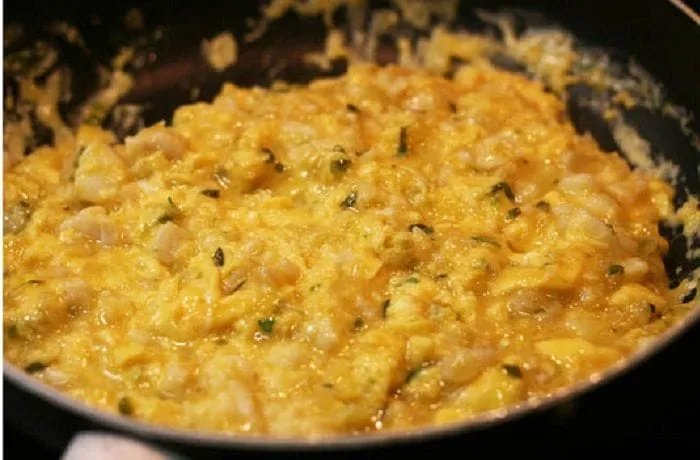
Chilean revuelto de merluza con huevos al merkén is a quick skillet dish in which hake fillets are cooked with garlic, shredded, and then scrambled with beaten eggs, fresh parsley, and merkén. Total time from pan to plate is 20 minutes. The result is a soft, lightly smoky scramble that Chileans eat for breakfast, lunch, or a fast weeknight dinner, scooped with marraqueta or hallulla bread.
Merkén — a Chilean spice blend made from smoked goat chili and coriander seeds, produced by the Mapuche people of the Araucanía region — gives the dish its defining character. A small amount added at the end of cooking is enough to shift a plain egg-and-fish scramble into something distinctly Chilean.
How to Make Chilean Hake Scrambled Eggs with Merkén?
Remove all skin and bones from the fillets before cooking, then press them between sheets of paper towel to draw out surface moisture. A wet fillet releases liquid into the pan when it hits the heat, which stews the fish instead of searing it — the texture of the shredded hake in the final scramble depends on starting with a dry fillet.
Sauté the garlic only until fragrant, not until it colors. Browned garlic turns bitter and will compete with the delicate flavor of the hake. Medium heat for 60 to 90 seconds in oil is sufficient.
Nutritional Information
Per serving (based on 6 servings): approximately 220 kcal, 28 g protein, 10 g total fat (3 g saturated), 1 g carbohydrates, 0 g sugars, 310 mg sodium. Both hake and eggs are complete protein sources. Hake provides phosphorus, selenium, and vitamin B12; eggs contribute choline, vitamin D, and all essential amino acids. Merkén adds negligible calories but contributes capsaicin and antioxidant compounds from the smoked chili.
Chilean Hake Scrambled Eggs with Merkén Recipe
Prep time: 10 minutes | Cook time: 10 minutes | Servings: 6
Ingredients
- 5 hake fillets (merluza), skin and bones removed
- 8 eggs
- 2 garlic cloves, finely minced
- 1 tablespoon fresh parsley, finely chopped
- Merkén to taste (start with half a teaspoon)
- Fine sea salt to taste
- Black pepper to taste
- Neutral oil for the pan
Instructions
- Remove the skin and any remaining pin bones from the hake fillets. Press the fillets between sheets of paper towel to remove surface moisture — this step is important for texture. Heat a thin layer of oil in a large skillet over medium heat. Add the minced garlic and sauté for 60 to 90 seconds, stirring continuously, until fragrant but not browned.
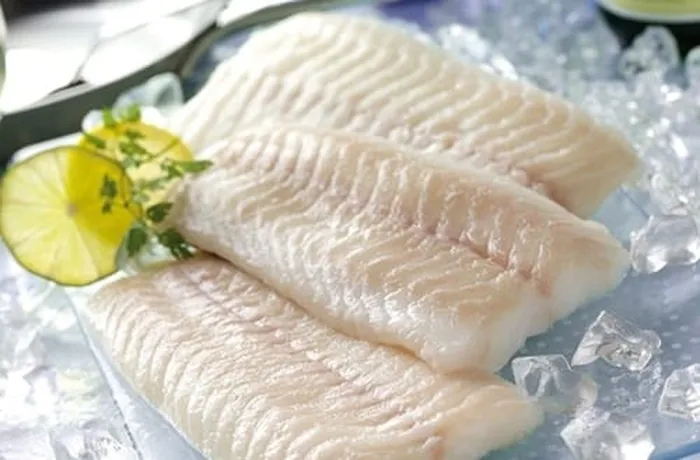
- Add the hake fillets to the pan. Season with salt and black pepper. Cook for 5 minutes per side over medium heat until the fish is opaque and cooked through. Use a wooden spoon or spatula to break the fillets apart into small shreds directly in the pan. In a separate bowl, gently beat the eggs — just enough to combine the yolks and whites without incorporating excess air.

- Reduce the heat to low. Pour the beaten eggs over the shredded hake. Add the chopped parsley and merkén. Stir slowly and continuously for about one minute, folding the mixture from the edges of the pan toward the center. Remove the pan from the heat while the eggs still look slightly underdone — residual heat will finish cooking them. Adjust seasoning and serve immediately with marraqueta or hallulla bread.
Additional Tips
How to get a creamier texture?
Add one tablespoon of fresh cream or whole milk to the beaten eggs before adding them to the pan. The fat in the cream slows coagulation of the egg proteins, producing a softer, more cohesive scramble. This technique works with or without the fish and is especially useful if the hake released a small amount of moisture during cooking that made the pan slightly wetter than ideal. Remove the pan from the heat one to two seconds earlier than you would normally.
How to intensify the merkén flavor?
Toast the merkén in a dry pan over medium heat for 30 seconds before adding it to the dish. Toasting activates the volatile aromatic compounds in both the smoked chili and the coriander seed component of the spice blend, amplifying the smoky note significantly. Remove from the dry pan immediately once fragrant to prevent burning. Add the toasted merkén directly to the beaten eggs before incorporating them into the fish.
How to use leftover cooked hake?
If you have already-cooked hake from a previous meal, skip the first cooking step. Flake the fish into the pan with the sautéed garlic over low heat and warm it through for one minute before adding the eggs. The full dish comes together in under five minutes using leftover fish and is one of the fastest preparations in Chilean home cooking. Cold or refrigerated hake works as well as freshly cooked.
Chilean Fish Scrambles and Quick Fish Dishes Comparison
| Dish | Fish | Spice | Cook time |
|---|---|---|---|
| Revuelto de merluza al merkén (this recipe) | Hake | Merkén | 10 min |
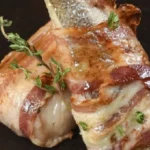
| Merluza asada con tocino | Hake | Thyme + garlic | 15 min (oven) |
| Merluza frita con harina tostada | Hake | Beer batter | 6 min per side |
| Cancato de merluza | Hake | Longaniza + cheese | 20 min |
Frequently Asked Questions (FAQs)
1. What other fish can I use instead of hake?
Any white fish with a mild flavor and firm texture works well: corvina, fresh cod, and sole are the best alternatives. The key is choosing a fish that flakes into small pieces when cooked and does not release excess moisture into the pan. Avoid fatty fish like salmon or tuna — their stronger flavor dominates the merkén and eggs, and they do not shred into the same fine, dry flakes that hake produces.
2. What can I use instead of merkén?
Smoked sweet paprika is the closest substitute and preserves the smoky character that defines the dish. Use half a teaspoon to start. Fresh chives add brightness without heat; dried oregano provides an herbal note. For heat without smokiness, a pinch of cayenne works. Merkén is a blend of smoked goat chili and coriander seeds — its specific aroma is difficult to replicate exactly, but smoked paprika comes closest.
3. How do I prevent the eggs from becoming dry?
Keep the heat low when adding the eggs and remove the pan from the heat while the scramble still looks slightly underdone. Residual heat from the pan and the shredded hake will finish cooking them. Beating the eggs gently rather than whisking aggressively also helps, as excess air produces a drier result. One tablespoon of fresh cream or milk added to the beaten eggs gives extra insurance against overcooking.
4. Can I use leftover cooked hake?
Yes. Skip the first cooking step, flake the already-cooked fish into the pan with the sautéed garlic for one minute over low heat to warm it through, then add the beaten eggs and proceed as usual. This is one of the fastest ways to use leftover fish in Chilean home cooking — the full dish comes together in under five minutes.
5. What is the best bread to serve with this dish?
Marraqueta — the classic Chilean white roll with a hard crust — is the traditional accompaniment. Its crisp exterior and chewy crumb hold up to the moist scramble without becoming soggy. Hallulla (a flat, softer roll) is the second most common option. The bread is used to scoop the revuelto directly from the pan or plate, which is the standard way of eating it in Chilean homes.
What Is Chilean Revuelto de Merluza?
Revuelto de merluza is a Chilean home-cooking staple in which cooked, shredded hake is scrambled with eggs in a single pan. It belongs to a broader category of Chilean dishes built on the combination of fish and eggs — a pairing that reflects the country’s long Pacific coastline and the historical abundance of both ingredients in working-class households. The dish requires no special equipment, no oven, and minimal preparation time, which explains its persistence across generations as a breakfast, lunch, and emergency dinner across all regions of Chile. The addition of merkén is a Mapuche-influenced variation that has become the dominant version in Chilean recipe culture.
History of Revuelto de Merluza in Chile
Hake has been a staple of Chilean coastal diet since pre-colonial times, when indigenous coastal communities fished it along the Humboldt Current. The combination with scrambled eggs is a more recent development, consistent with the post-colonial introduction of European poultry farming and the use of eggs as an extender in protein dishes. By the mid-twentieth century, revuelto de merluza appeared in Chilean household cookbooks as a standard quick meal. The merkén version reflects the broader incorporation of Mapuche culinary traditions into mainstream Chilean cooking that accelerated in the late twentieth and early twenty-first centuries, as the spice gained recognition beyond Araucanía and became widely available in Chilean supermarkets.
Did You Know?
Merkén is produced almost exclusively in the Araucanía and Los Lagos regions of southern Chile, where Mapuche communities have smoked goat chili peppers using traditional methods for centuries. The drying and smoking process gives merkén its characteristic deep red color and complex aroma that combines smoke, mild heat, and the citrus-like note of coriander seed. In 2015, the Chilean government granted merkén a Denominación de Origen designation, protecting it as a product of specific geographic and cultural origin — the same legal protection that applies to products like Champagne or Parmigiano-Reggiano. Authentic merkén must be produced in the Araucanía region to carry the protected designation.