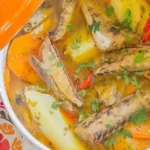
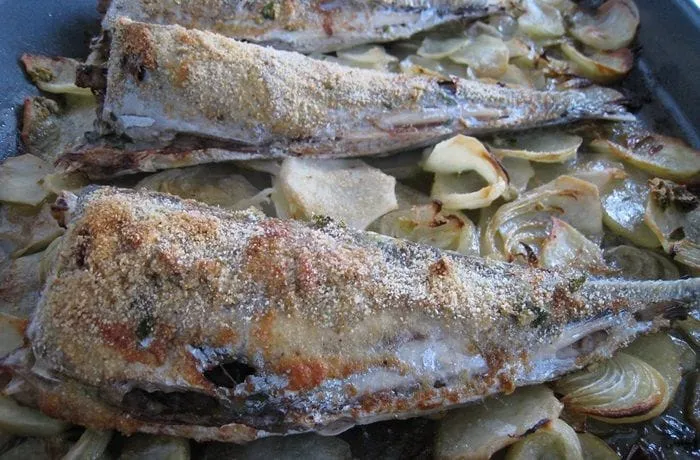
Chilean jurel al horno is a simple oven preparation for fresh jack mackerel: the whole fillets are scored, placed over a bed of julienned onion and green pepper, seasoned with garlic, paprika, and bay leaves, then baked at 180°C for 20 minutes with white wine and olive oil. A layer of breadcrumbs added before baking forms a light crust. The result is moist, omega-3-rich fish with a clean, herb-forward flavor — ready in 30 minutes from start to plate.
Jack mackerel (Trachurus murphyi) is one of the most abundant species in Chilean waters and one of the most nutritionally dense fish available in Chilean markets. Its firm flesh and pronounced maritime flavor stand up well to oven cooking and pair naturally with the acidity of white wine and lemon.
How to Make Chilean Baked Jack Mackerel?
Score the fish diagonally on both sides before seasoning — cuts made every 3 to 4 centimeters allow the garlic, salt, and paprika to penetrate into the flesh during baking rather than sitting only on the surface. Insert whole garlic cloves directly into the score cuts for maximum infusion.
Cover the baking dish with foil for the first half of the cooking time, then remove it. The covered phase steams the fish and keeps it moist; the uncovered phase browns the breadcrumb topping and concentrates the cooking juices. Basting the fish once with the pan juices halfway through reinforces the moisture from both phases.
Nutritional Information
Per serving (one fillet with vegetables): approximately 250 kcal, 22 g protein, 12 g total fat (2 g saturated), 7 g carbohydrates, 3 g sugars, 220 mg sodium. Jack mackerel is an excellent source of omega-3 fatty acids (EPA and DHA), vitamin D, selenium, and vitamin B12. The olive oil adds heart-healthy monounsaturated fats. This is one of the most nutritionally complete fish preparations in Chilean home cooking.
Chilean Baked Jack Mackerel Recipe
Prep time: 10 minutes | Cook time: 20 minutes | Servings: 2
Ingredients
- 2 cleaned jack mackerel fillets (jurel)
- 4 garlic cloves
- 100 ml white wine
- 3 tablespoons extra-virgin olive oil
- 1 onion, julienned into thin strips
- 1 green bell pepper, diced
- Sweet paprika to taste
- 2 bay leaves
- 3 tablespoons breadcrumbs
- 1 lemon, sliced
- Sea salt and black pepper to taste

Instructions
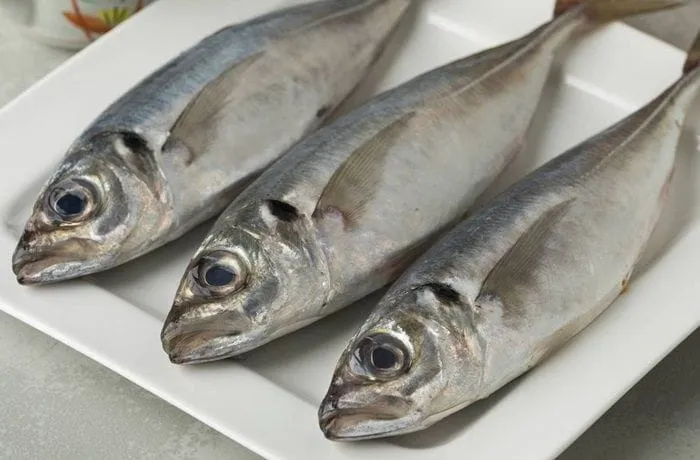
- Preheat the oven to 180°C (356°F). Rinse the jack mackerel fillets under cold water and pat completely dry with paper towels. Using a sharp knife, make diagonal score cuts 3 to 4 cm apart on both sides of each fillet — this allows seasoning to penetrate the flesh. Season generously with sea salt and black pepper inside and out. Insert one whole garlic clove into each score cut on both fillets.
- Arrange the julienned onion and diced green pepper in an even layer across the bottom of a baking dish — this vegetable bed prevents the fish from sticking and adds flavor to the cooking juices. Place the seasoned fillets on top of the vegetables. Add the bay leaves to the dish. Pour the white wine evenly over the fish. Drizzle the olive oil over the top and add a pinch of sweet paprika if using.

- Sprinkle the breadcrumbs evenly over the top of each fillet. Cover the baking dish tightly with aluminium foil. Bake at 180°C for 10 minutes covered, then remove the foil. Baste the fillets with the pan juices. Return to the oven uncovered and bake for a further 10 minutes until the flesh is opaque and flakes easily with a fork and the breadcrumb topping is lightly golden. Rest for 2 minutes before serving with lemon slices on the side.
Additional Tips
How to keep the fish moist throughout baking?
The foil cover during the first 10 minutes traps the steam from the white wine, effectively poaching the fish in its own environment before the uncovered browning phase begins. Do not skip the basting step at the 10-minute mark — spooning the accumulated pan juices back over the fish replenishes any surface moisture that has evaporated. If the fillets are thicker than average, add an extra 3 to 4 minutes to the covered phase and reduce the uncovered time accordingly.
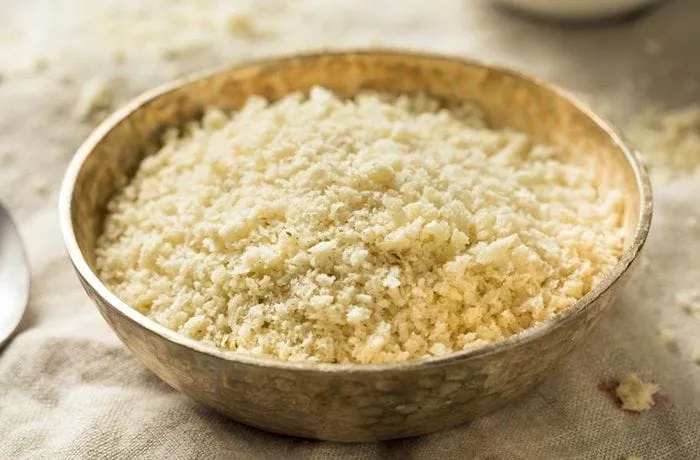
Mix the breadcrumbs with one teaspoon of finely grated lemon zest and one teaspoon of dried parsley before sprinkling them over the fish. The lemon zest brightens the topping and reinforces the citrus note from the finishing lemon slices. For extra crunch, use Japanese panko breadcrumbs rather than fine breadcrumbs — panko absorbs less moisture during baking and stays crispier for longer after the dish is removed from the oven.
How to choose and prepare fresh jack mackerel?
Fresh jurel should have bright, clear eyes, firm flesh that springs back when pressed, and a clean sea smell — not an ammonia or sour odor. Ask the fishmonger to clean and fillet the fish, removing the head, guts, and central spine while leaving the skin intact to protect the flesh during baking. If buying whole fish, rinse the cavity thoroughly under cold water after cleaning and check for any remaining pin bones by running your finger along the flesh from head to tail.
Chilean Baked Fish Recipes Comparison
| Recipe | Fish | Key liquid | Topping |
|---|---|---|---|
| Jurel al horno (this recipe) | Jack mackerel | White wine | Breadcrumbs |
| Corvina al horno | Corvina | White wine + lemon | Herbs |
| Merluza asada con tocino | Hake | Butter | Bacon wrap |
| Cancato de merluza | Hake | Tomato juice | Melted cheese |
Frequently Asked Questions (FAQs)
1. Does jack mackerel have many bones?
Fresh jack mackerel has a central spine and rib bones, but when properly cleaned and filleted, the major bones are removed. Ask the fishmonger to clean and fillet the fish at purchase — most fish counters in Chile do this routinely. If using whole fish, the diagonal scoring cuts also make the bones easier to identify and avoid when eating. Work outward from the center spine when serving to stay clear of the finest bones.
2. Can I substitute white wine?
Yes. Vegetable broth is the most neutral substitute and keeps the dish light. A mixture of orange juice and water at 50/50 introduces acidity similar to wine without alcohol. The wine’s main function is to create steam inside the covered baking dish and keep the fish moist during the first phase of cooking, so any liquid with a mild acidic component achieves the same result. Avoid plain water — it produces a blander braising environment.
3. How do I know when the jack mackerel is perfectly cooked?
Press the flesh gently at the thickest point with a fork — it should separate into flakes without resistance and be completely opaque throughout, with no translucent or glassy appearance at the center. The internal temperature at the thickest part should reach 63°C (145°F). At 180°C, two cleaned fillets of average thickness take 18 to 20 minutes total. Start checking at 15 minutes to avoid overcooking.
4. What traditional Chilean side dishes pair best with jurel al horno?
Ensalada chilena — sliced tomato and onion dressed with salt, olive oil, and lemon juice — is the most traditional accompaniment; its acidity cuts through the richness of the olive oil and fish fat. Boiled potatoes with parsley and butter are the most filling option. Arroz graneado (dry-cooked white rice) provides a neutral base that lets the fish flavor stand out. Avoid heavy, strongly flavored sides that would compete with the omega-3-rich fish.
5. Can I use canned jurel instead of fresh?
Canned jack mackerel cannot be baked in the same way — it is already cooked and would dry out completely in the oven. For the baked version, fresh or frozen-then-fully-thawed fillets are required. Frozen fish should be thawed overnight in the refrigerator and patted thoroughly dry before use. Canned jurel is better suited to stovetop preparations such as empanadas de jurel or a quick sauté with onion, pepper, and lemon.
What Is Chilean Jurel al Horno?
Jurel al horno is a Chilean oven preparation built around fresh jack mackerel — a species that has been central to Chilean coastal diet for centuries. The dish follows the structure of Mediterranean-influenced baked fish preparations that arrived in Chile through Spanish colonial cooking and were adapted to local Pacific species. Its defining characteristics are the vegetable bed that cooks beneath the fish, the white wine steam environment created by the foil cover, and the breadcrumb topping that crisps during the uncovered browning phase. It is considered a healthier alternative to fried fish preparations and appears regularly in Chilean household cooking as a weeknight dinner.
History of Jurel in Chilean Cooking
Jack mackerel (Trachurus murphyi) has been harvested in Chilean waters since pre-colonial times, when coastal indigenous communities fished it along the Humboldt Current using nets and hand lines. During the twentieth century, industrial fishing transformed jurel from a local artisanal product into one of Chile’s most commercially important species — Chile became the world’s largest producer of jack mackerel at the peak of its fisheries in the 1990s. Overfishing led to a significant stock collapse in the 2000s, and catches have been managed under strict quota systems since 2012. Fresh jurel in Chilean markets today comes from more sustainable smaller-scale fisheries operating primarily in the Biobío, Los Lagos, and Magallanes regions.
Did You Know?
Jack mackerel is one of the richest sources of omega-3 fatty acids among all commercially available fish in Chile, containing higher concentrations of EPA and DHA than salmon per gram of fat. Unlike salmon, which accumulates its omega-3s from a controlled diet in aquaculture conditions, wild jack mackerel builds its omega-3 profile naturally by feeding on krill and small crustaceans in the cold, nutrient-dense waters of the Humboldt Current. Chilean nutritionists frequently recommend jurel as a cost-effective alternative to more expensive omega-3 sources for families on a budget, as its nutritional profile is comparable to salmon at a fraction of the market price.