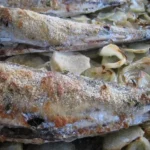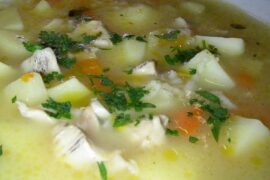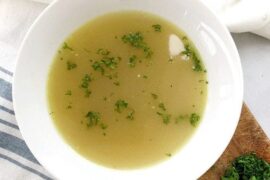

Chilean caldillo de jurel en tarro is a pantry-based fish stew made with canned jack mackerel, potatoes, carrots, tomatoes, and a white wine broth seasoned with oregano and parsley. The sofrito of onion and red pepper builds the flavor base; white wine deglazes the pot; 1 litre of water forms the broth in which the vegetables cook for 15 minutes before the canned fish is added for a final 2-minute simmer. It is served hot in deep bowls and eaten with bread. Total active cooking time is 30 minutes.
The dish is considered one of the most economical hot meals in Chilean home cooking — two cans of jurel and a handful of vegetables produce a complete, protein-rich meal for four people at minimal cost.
How to Make Chilean Canned Jack Mackerel Fish Stew?
The sofrito is the structural foundation of the broth. Onion and red pepper cooked slowly over reduced heat until the onion becomes translucent — not browned — produce a sweeter, more complex base than a quick high-heat sauté. This step cannot be rushed without sacrificing the depth of the final broth.
Add the canned fish last and cook it for no more than 2 minutes. Canned jurel is already fully cooked; its time in the pot is only to heat it through and allow it to absorb the broth. Exceeding 2 minutes at a simmer breaks the fillets apart and disperses the fish throughout the stew rather than keeping it in intact pieces.
Nutritional Information
Per serving (based on 4 servings): approximately 332 kcal, 27 g protein, 7 g total fat (2 g saturated), 36 g carbohydrates, 790 mg sodium. Canned jack mackerel retains its omega-3 fatty acid profile through the canning process and is a cost-effective source of EPA and DHA. Potatoes contribute potassium and complex carbohydrates; carrots add beta-carotene. Note the sodium content — those managing sodium intake may reduce it by rinsing the canned fish before use and omitting added salt.
Chilean Canned Jack Mackerel Fish Stew Recipe
Prep time: 20 minutes | Cook time: 30 minutes | Servings: 4
Ingredients
- 2 cans Chilean jack mackerel (jurel en tarro), drained
- 6 large potatoes, peeled and quartered lengthwise
- 3 carrots, peeled and sliced into rounds
- 2 tomatoes, diced
- 1 onion, thinly sliced
- 1 red bell pepper, thinly sliced
- 200 ml dry white wine
- 1 litre cold water
- ½ cup fresh parsley, roughly chopped
- ½ teaspoon sugar
- Dried oregano to taste
- Sea salt and black pepper to taste
- Neutral oil for the sofrito

Instructions
- Open the cans and gently drain the liquid. Carefully remove the fish fillets and set them aside on a plate — handle them with a spoon rather than fingers to keep them intact. Peel and quarter the potatoes lengthwise. Peel and slice the carrots into rounds approximately 1 cm thick. Dice the tomatoes. Slice the onion and red pepper into thin strips.
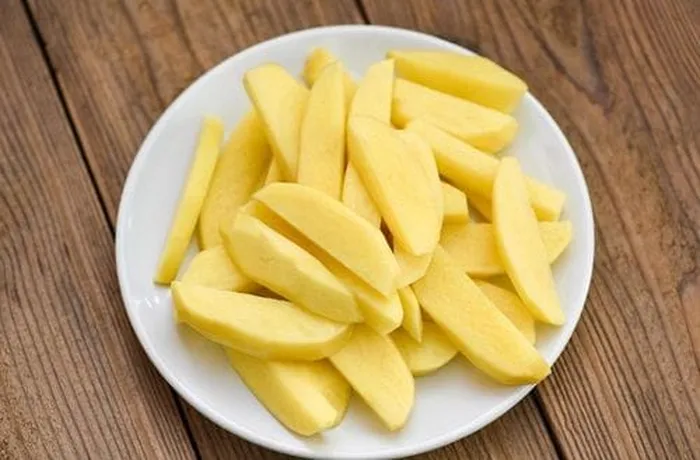
- Heat a thin layer of oil in a large pot over high heat. Add the sliced onion and red pepper, then reduce the heat to medium-low. Stir with a wooden spoon and cook for 5 to 7 minutes until the onion is fully transparent and beginning to soften — do not allow it to brown. Add the diced tomatoes, sugar, half the parsley, and dried oregano. Season with salt and black pepper. Stir to combine and cook for 2 more minutes.
- Pour the white wine over the sofrito and raise the heat to high. Let it boil for 3 minutes, stirring to deglaze any caramelized bits from the bottom of the pot. Add the quartered potatoes and carrot rounds. Pour in 1 litre of cold water and bring to a boil. Reduce the heat to medium and cook uncovered for 15 minutes, or until the potatoes are tender when pierced with a fork.

- Gently lower the canned fish fillets into the stew using a spoon. Do not stir — tilt the pot in a slow circular motion to distribute the heat without breaking the fillets. Cover and cook at a gentle simmer for 2 minutes only, until the fish is heated through. Taste and adjust seasoning. Ladle into deep bowls, scatter the remaining fresh parsley on top, and serve immediately with crusty bread.
Additional Tips
How to build a more flavorful broth from pantry ingredients?
Add one teaspoon of tomato paste to the sofrito before pouring in the wine — it deepens the broth color and adds umami without requiring additional fresh ingredients. A small piece of dried kombu seaweed (sold in Chilean supermarkets as algas) dissolved in the broth during the 15-minute cooking phase adds a natural marine depth that complements the canned fish without being identifiable as a distinct ingredient. Remove it before adding the fish. Both additions work with the ingredient list as written and require no additional preparation.
How to reduce the sodium content?
Rinse the drained canned fish fillets briefly under cold water before adding them to the stew — this removes a significant portion of the canning brine sodium. Taste the broth before adding any salt, as the canning liquid that remains in the pot from the fish will already contribute sodium. Use unsalted or low-sodium canned jurel if available. Omitting the added salt entirely and finishing with a squeeze of fresh lemon juice at serving is often sufficient.
How to adapt this recipe for a heartier winter version?
Add one cup of cooked fideos (thin pasta noodles) or cooked rice to the stew in the last 3 minutes of cooking for a more filling meal. Half a cup of frozen peas added with the fish adds color and a subtle sweetness. One diced zucchini added with the potatoes cooks through in the same time and contributes extra vegetable bulk. These additions do not change the fundamental character of the dish but make it more substantial on cold winter days.
Chilean Fish Stews and Soups Comparison
| Dish | Fish type | Broth base | Cook time |
|---|---|---|---|
| Caldillo de jurel en tarro (this recipe) | Canned jack mackerel | White wine + water | 30 min |
| Caldillo de congrio | Fresh conger eel | Fish stock + tomato | 40 min |
| Chupe de locos | Abalone | Cream + bread base | 45 min |
| Chupe de jaiba | Crab | Cream + milk base | 35 min |
Frequently Asked Questions (FAQs)
1. How can I reduce the prep time for caldillo de jurel?
Use baby potatoes halved and unpeeled — they require no peeling and cook faster than large quartered potatoes. Substitute the fresh tomatoes with two tablespoons of tomato paste dissolved in the broth, which eliminates the dicing step and adds more concentrated tomato flavor. Pre-sliced frozen vegetables such as carrot rounds and diced onion also reduce prep significantly without affecting the final flavor.
2. How do I prevent the canned fish from falling apart in the stew?
Drain the canned jurel thoroughly and handle the fillets with a spoon rather than fingers from the moment you open the can. Reduce the heat to a gentle simmer before adding the fish, and do not stir after adding it — tilt the pot in a slow circular motion instead. The fish needs only 2 minutes to heat through. Any longer at a boil and the fillets will disintegrate into the broth.
3. What does the white wine do in the recipe?
White wine deglazes the pot after the sofrito, lifting caramelized onion and pepper bits from the bottom and incorporating them into the broth. It also contributes acidity that balances the richness of the fish and the starchiness of the potatoes. The alcohol evaporates within the first 3 minutes of boiling, leaving only the flavor compounds. A dry Chilean sauvignon blanc works well; avoid sweet or heavily oaked varieties.
4. Can I use fresh jack mackerel instead of canned?
Yes. Use two fresh fillets cleaned and cut into large pieces, and add them in the last 8 to 10 minutes of cooking rather than 2 minutes, since fresh fish requires more time to cook through. The broth will be richer because the natural juices and collagen from the fish dissolve into the liquid. The overall character shifts from a quick pantry stew to a more complex, traditional caldillo.
5. What is the difference between caldillo and cazuela?
Both are traditional Chilean broth-based dishes but differ in character and composition. Caldillo is thinner and more soup-like, with a clear broth and fewer ingredients — built for speed and economy. Cazuela is more substantial, with a wider variety of ingredients including corn on the cob, pumpkin, and meat on the bone, and a richer broth that develops from longer cooking. Caldillo de jurel takes 30 minutes; a proper cazuela de vacuno takes 90 minutes or more.
What Is Chilean Caldillo de Jurel en Tarro?
Caldillo de jurel en tarro is a Chilean fish stew built entirely from pantry staples and fresh vegetables. It belongs to the caldillo tradition — a category of thin, broth-based Chilean soups distinct from the thicker cazuela — and specifically to a subset of Chilean working-class cooking that developed in the twentieth century around the widespread availability of canned jack mackerel. In Chile, canned jurel has historically been one of the most affordable sources of complete protein, and the caldillo en tarro represents one of the most efficient ways to convert a can of fish and a few root vegetables into a hot, nutritious meal for a family.
History of Caldillo and Canned Jurel in Chile
The caldillo tradition in Chile predates canned fish by several centuries. Caldillo de congrio — made with fresh conger eel — is the most historically prominent version and was celebrated by Chilean poet Pablo Neruda in his 1954 ode. The canned jurel version developed alongside Chile’s commercial fishing industry, which expanded dramatically in the second half of the twentieth century and made canned jack mackerel a household staple across all income levels. By the 1970s, caldillo de jurel en tarro had become a recognized category in Chilean household cooking — a fast, affordable adaptation of the traditional caldillo format to the realities of urban family budgets.
Did You Know?
Chile was historically the world’s largest producer of canned jack mackerel. At its peak in the early 1990s, Chile’s annual jack mackerel catch exceeded 4 million tonnes — more than any other single-species fishery in the world at the time. The collapse of the Pacific jack mackerel stock in the late 1990s and 2000s, caused by overfishing, led to a sharp decline in production and a significant increase in canned jurel prices in Chilean supermarkets. Recovery programs and international quota agreements implemented since 2012 have partially rebuilt the stock, but catches remain well below the historic peak. Today, Chilean canned jurel is imported from Peru, which now leads regional production of the species.