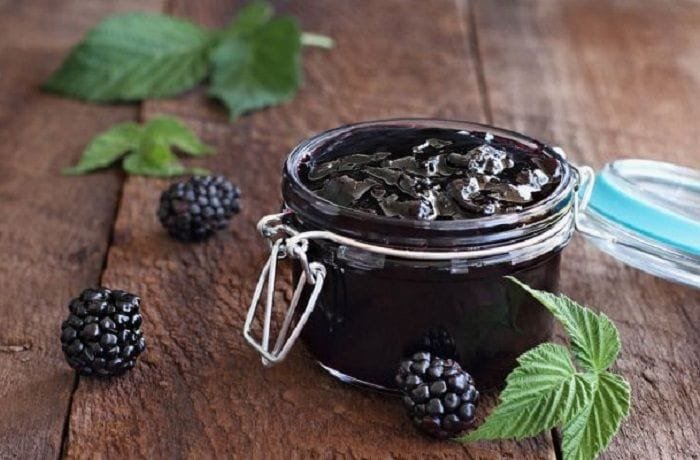
Chilean mermelada de moras, also called dulce de murras, is a simple jam of fresh blackberries macerated with an equal weight of sugar and lemon juice, then cooked for about 40 minutes until it sets. It takes 4 hours of maceration plus 40 minutes of cooking and makes 6 servings.
It is a fresh, seasonal jam, ideal for spreading on sweet or savory bread, serving with fresh cheese, or using in baking and desserts.
How to Make Chilean Blackberry Jam?
Fruit jam should always be made with fresh ingredients during the harvest season, so it expresses all its flavor and texture. Once jarred in sterilized jars, this blackberry jam keeps without problems for up to a year.
Nutritional Information
Each serving of blackberry jam contains approximately 220 kcal, 0 g of total fat, 55 g of carbohydrates, 5 g of fiber, 50 g of sugars, and 2 mg of sodium. These values are estimates and may vary depending on ingredients and portion sizes.
Homemade Chilean Mermelada de Moras Recipe
Preparation: 4 hours (maceration)
Cooking: 40 minutes
Servings: 6
Ingredients
- 1 kg (2.2 lb) of blackberries (moras or murras)
- 1 kg (5 cups) of sugar
- 1 lemon

Instructions
- Wash the blackberries very well in cold water, removing any dirt, and drain them in a colander. Place them in a large bowl, sprinkle the sugar over them, stir gently with a wooden spoon, cover with plastic wrap, and refrigerate for at least 4 hours. Squeeze the lemon and add the juice.
- Transfer to a medium pot and cook over medium heat for about 40 minutes, stirring from time to time and skimming off the foam, taking care that it does not boil over. To check the consistency, put a spoonful of jam on a cold plate, draw a line through the middle, and make sure it stays separated.
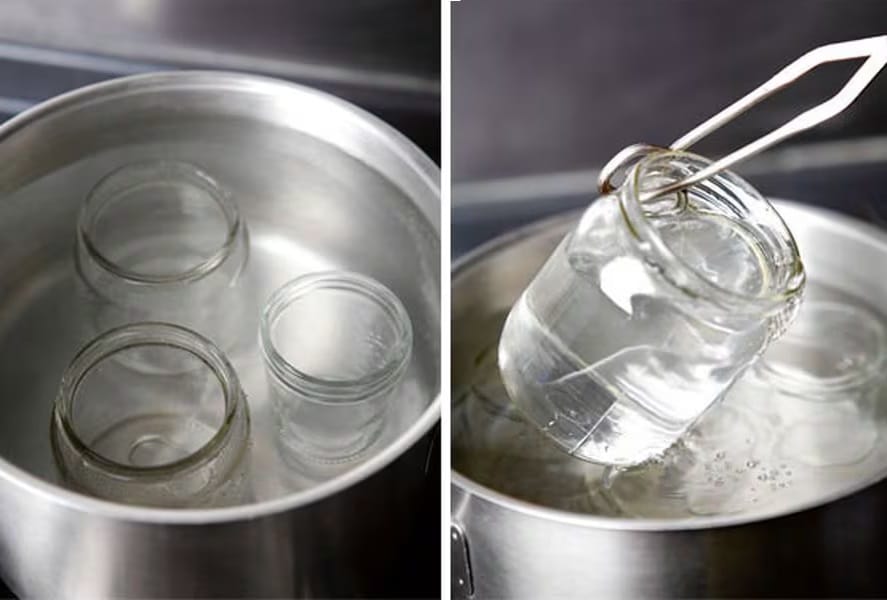
- Pour the hot jam into washed and sterilized glass jars, close them, and store in a cool, dry place. Serve the blackberry jam with all kinds of bread, cheese, or desserts.
Additional Tips
Use a heavy bottomed pot
A heavy bottomed pot keeps the fruit and sugar from burning or sticking during the slow cooking, which gives a cleaner flavor and a better texture.
Rest before jarring
Once the heat is off, let the jam rest for about 5 minutes before jarring. It helps the fruit spread evenly in the jar and reduces air bubbles.
Skim as it cooks
Removing the foam that forms on the surface while the jam boils gives a clearer, glossier result and prevents a cloudy layer on top of the jars.
| Original ingredient | Substitute | Ratio | Flavor note |
|---|---|---|---|
| Fresh blackberries | Frozen blackberries | 1:1 | Same flavor, more liquid |
| White sugar | Sugar with pectin | 1 kg : 500 g | Less sweet, quick set |
| Lemon juice | Orange juice | 1:1 | Sweeter, softer |
| Blackberries | Raspberries | 1:1 | More tart, fewer seeds |
Frequently Asked Questions (FAQs)
1. Do I need to remove the blackberry seeds?
Usually not, since the seeds give homemade jam a rustic texture and extra fiber. For a completely smooth jam, pass the cooked mixture through a fine sieve or food mill before jarring.
2. Can I reduce the sugar?
Yes, but sugar acts as a preservative. If you reduce it significantly, add commercial pectin so the jam sets, and keep it refrigerated or frozen.
3. What if the jam is too runny?
If it does not pass the cold plate test, cook it for 5 to 10 more minutes, or dissolve 1 teaspoon of cornstarch in a little cold water and stir it in at the end of cooking to help it thicken.
4. Can I use frozen blackberries?
Yes, especially out of season. Thaw them completely before mixing them with the sugar. Maceration may release more liquid, so the jam may need a few extra minutes of cooking.
What Are Murras?
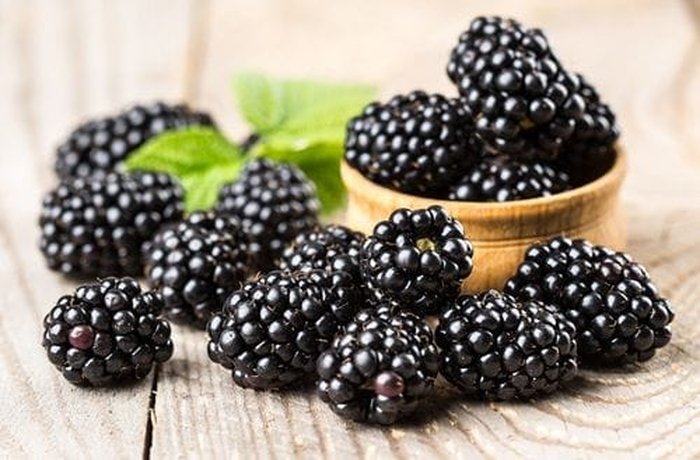
Murra is the name given in Chile to the wild blackberry bramble and its fruit. The bushes grow along roadsides, fences, and riverbanks in central and southern Chile, and in late summer families pick the berries to make jam, kuchen, and juices.
Benefits of Blackberries
Many of the benefits of blackberries are linked to their anthocyanins, the compounds that give many fruits and vegetables their red, purple, and blue colors. Locally grown berries are the freshest, and in season they are also the cheapest and best quality.
Did You Know?
In Chile, blackberries grow both wild and cultivated across the central and southern regions, and most of the harvest is sold and eaten within the country.
How to adapt this recipe to a vegan or vegetarian version?
How to adapt this recipe to a gluten-free version?
How to adapt this recipe to a keto (ketogenic) version?
Recommended
- Chilean Blackberry Flan Recipe
- Chilean Apricot Jam Recipe
- Chilean Murta Berry Jam Recipe
- Chilean Peach Jam Recipe