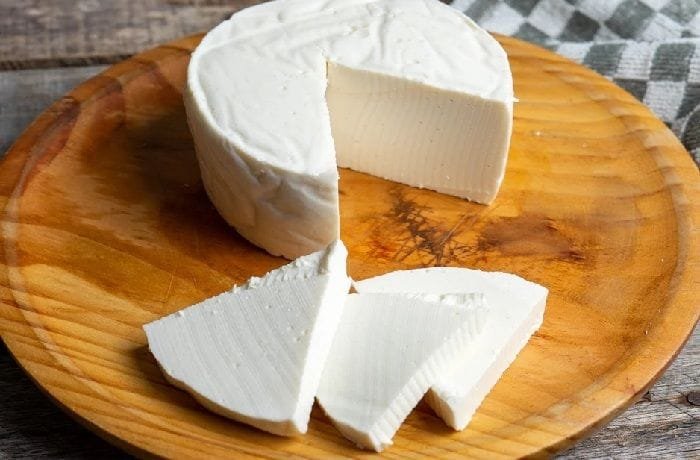
Chilean queso fresco casero is a soft fresh cheese made by bringing whole milk to a boil, resting it, curdling it with plain yogurt, lemon juice, and a little cream over gentle heat, and draining the curds in cheesecloth before shaping and chilling for 24 hours. It takes 30 minutes of preparation plus 30 minutes of cooking and serves 6 people.
Queso fresco is very popular all over Chile and is ideal with pan amasado, desserts, and jams.
How to Make Chilean Queso Fresco at Home?
Making queso fresco at home is the best way to enjoy it natural and fresh, with the chance to try different spices and seasonings in the cheese or on its crust. The milk is heated, curdled, drained, and shaped.
Nutritional Information
Each serving of homemade queso fresco contains approximately 100 kcal, 4 g of carbohydrates, 7 g of fat, 6 g of protein, 0 g of fiber, 4 g of sugars, 25 mg of cholesterol, and 60 mg of sodium. These values are estimates and may vary depending on ingredients and portion sizes.
Homemade Chilean Queso Fresco Recipe
Preparation: 30 minutes
Cooking: 30 minutes
Servings: 6 people
Ingredients
- 1 liter (4 1/4 cups) of whole milk
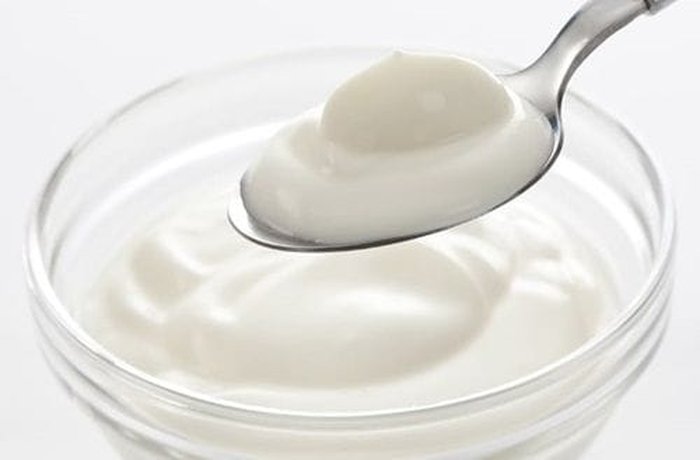
- 100 ml (1/3 cup + 1 tablespoon) of plain yogurt
- 2 tablespoons of cream
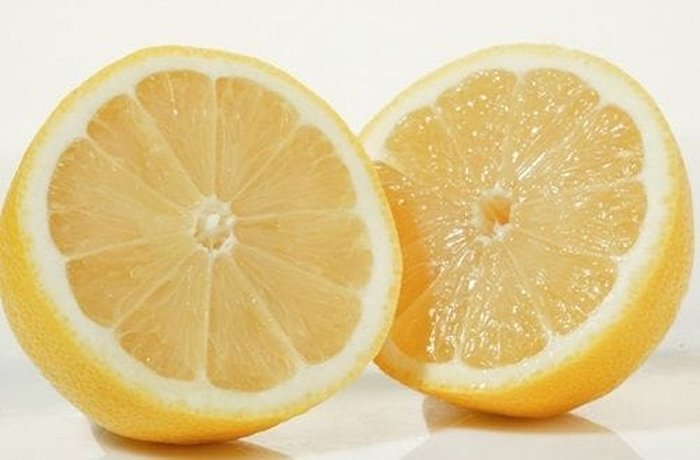
- 1 lemon
- Fine salt

Instructions
- In a large pot, heat the milk over low heat, bring it to a boil, turn off the heat, and keep it covered for 20 minutes. Add the plain yogurt, the lemon juice, and the cream, and stir with a wooden spoon for 10 minutes. Heat gently until the milk curdles, that is, until curds separate from the liquid whey.

- Season with salt if you like. Strain through fine cheesecloth or a cheese strainer until all the whey drains, without pressing too hard, until you have a creamy, compact paste that you can shape by hand or press into a mold.
- If you like, spread spices on a clean surface and roll the cheese in them to create a flavored crust. Store it in an airtight container and refrigerate for at least 24 hours before eating.
Additional Tips
Use good milk
Use milk that is as natural as possible: pasteurized, whole, minimally processed, and not reconstituted.
Do not press too hard
Pressing the curds too much makes the cheese dry; let the whey drain gently.
Flavor the crust
Merkén, black pepper, or dried herbs make a tasty coating for the cheese.
| Original ingredient | Substitute | Ratio | Flavor note |
|---|---|---|---|
| Lemon juice | White vinegar | 1:1 | More neutral flavor |
| Plain yogurt | Kefir | 1:1 | Tangier |
| Cream | Omit | Leaner, firmer cheese | |
| Cow’s milk | Goat’s milk | 1:1 | Stronger flavor |
Frequently Asked Questions (FAQs)
1. What kind of yogurt should I use?
Plain, unsweetened, unflavored yogurt, ideally homemade yogurt, since its live cultures improve the texture and flavor of the cheese.
2. Can I use vinegar to curdle the milk?
Yes. Replace the lemon juice with the same amount of white vinegar.
3. How long does it keep in the refrigerator?
Homemade queso fresco keeps for 5 to 7 days refrigerated in an airtight container.
4. Can I make it with plant milk?
No. Queso fresco needs casein, a protein found only in animal milk, so plant milk will not curdle properly.
What Is Queso Fresco?
Queso fresco is a mild, soft, unaged cheese made by curdling milk with acid, eaten fresh across Chile and Latin America with bread, fruit, and jams.
What Makes Cheeses Different?
The variety of cheeses comes mainly from the type of milk, the method of curdling, and the aging time, along with added cultures, molds, or spices.
Did You Know?
Fresh cheeses are among the oldest foods made by humans and have been produced for thousands of years from the milk of cows, goats, sheep, buffalo, and even camels.