Chilean lisa a la teja is a whole mullet split open, filled between skin and flesh with sliced tomato, onion, garlic, oregano, salt, and pepper, dotted with butter, wrapped in foil, and cooked for about 30 minutes between two clay roof tiles over embers or in a clay oven. It takes 30 minutes of preparation plus 30 minutes of cooking and serves 4 people.
It is a traditional recipe from the Maule River region, where the method gives the fish a flavor and texture that are legendary locally.
How to Make Chilean Lisa a la Teja?
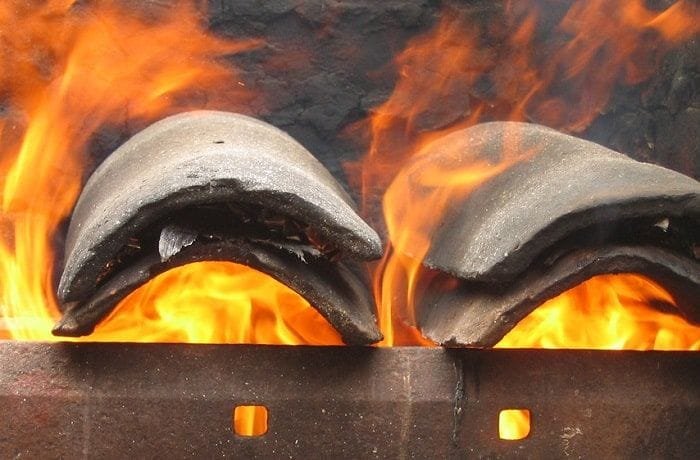
This is a simple but very particular preparation. The mullet is opened, stuffed with vegetables under the skin, wrapped, and cooked between two clay roof tiles, which hold and spread the heat of the fire.
Nutritional Information
Each serving of lisa a la teja contains approximately 350 kcal, 25 g of protein, 20 g of total fat, 10 g of carbohydrates, 4 g of sugars, and 380 mg of sodium. These values are estimates and may vary depending on ingredients and portion sizes.
Homemade Chilean Lisa a la Teja Recipe
Preparation: 30 minutes
Cooking: 30 minutes
Servings: 4 people
Ingredients
- 1 whole mullet (lisa), about 1 kg (2.2 lb)
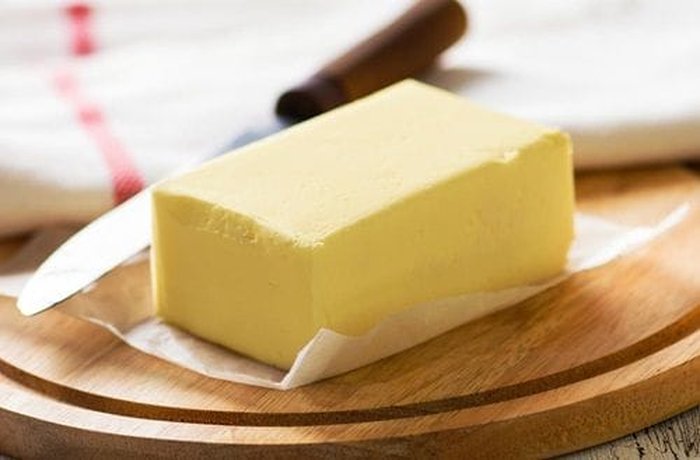
- 3 tablespoons of butter
- 2 tomatoes, sliced
- 1 onion, sliced into strips
- 1 clove of garlic, chopped
- 1 teaspoon of oregano
- Fine sea salt
- Black pepper
Instructions
- Clean the mullet well and open it lengthwise into two halves. Carefully loosen the skin while keeping it attached at the backbone, and place the sliced tomato, onion, and chopped garlic between the flesh and the skin. Season with oregano, salt, and pepper.
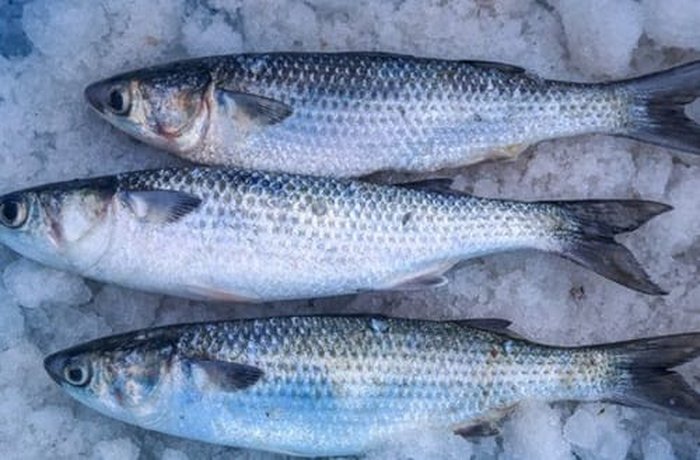
- Place both halves skin side down on buttered foil, dot the top with pieces of butter, and wrap in the foil. Lay the fish, skin side down, between two clean clay roof tiles, leaving a piece of the tail outside to check doneness.
- Cook the mullet between the tiles in a clay oven, on a grill, or directly over the embers of a good fire for about 30 minutes, until cooked through. Serve right away with a fresh Chilean salad, pan amasado, pebre, and a good Chilean wine.
Additional Tips
Use very fresh fish
Freshness is key for firm texture and clean flavor. If you cannot find mullet, use corvina, pejegallo, or reineta.
Use clean, unglazed tiles
Tiles must be completely clean and free of varnish or glaze, which can release toxic substances when heated.
Cure new tiles
Soak new tiles in cold water for 24 hours and let them dry in the sun so they do not crack from thermal shock.
| Original ingredient | Substitute | Ratio | Flavor note |
|---|---|---|---|
| Lisa (mullet) | Corvina or reineta | 1:1 | Milder flavor |
| Clay tiles | Home oven at 250 C | Preheat tiles 20 minutes | No smoky note |
| Butter | Olive oil | 1:1 | Lighter |
| Embers | Charcoal grill | Same method |
Frequently Asked Questions (FAQs)
1. What if I do not have a clay oven or embers?
Use your home oven: place the tiles on the middle rack, preheat to maximum (about 250 C, 482 F) for 20 minutes, then add the fish.
2. Is it safe to use old tiles?
Avoid salvaged tiles, which may carry mold, bird droppings, or old lead paint. Use new, natural clay tiles reserved for cooking.
3. Which wine pairs with it?
A young Sauvignon Blanc or Chardonnay suits an oily fish like mullet.
4. Is butter essential?
It adds flavor and moisture, but you can use olive oil for a lighter version.
What Is Lisa a la Teja?
Lisa a la teja is a traditional Maule dish of mullet cooked between clay roof tiles over a wood fire, a rustic method that gently roasts and steams the fish.
What Is a Teja?
A teja is a curved fired-clay roof tile. Pairs of them make a simple, heat-retaining cooking vessel in Chilean country cooking.
Did You Know?
Mullet is found in coastal waters around the world and tolerates a very wide range of temperatures and salinities, from the open sea to river mouths.
How to adapt this recipe to a vegan or vegetarian version?
How to adapt this recipe to a gluten-free version?
How to adapt this recipe to a keto (ketogenic) version?
Recommended
- Chilean Buttered Reineta
- Chilean Baked Reineta with Vegetables
- Chilean Baked Corvina
- Homemade Chilean Pebre