

Chilean arroz chaufán is a Chinese-style fried rice made by sautéing rinsed rice with garlic and carrot, cooking it covered with boiling water, and folding in diced turkey ham browned with scallions and chopped scrambled egg. It takes 30 minutes of preparation plus 30 minutes of cooking and serves 4 people.
It is the classic side from Chilean Chinese restaurants, easy, economical, and perfect with meat or fish.
How to Make Chilean Arroz Chaufán?
The rice is rinsed and sautéed with garlic and carrot before cooking, then combined with separately cooked turkey ham, scallions, and egg so each ingredient keeps its flavor.
Nutritional Information
Each serving of arroz chaufán contains approximately 450 kcal, 60 g of carbohydrates, 15 g of fat, 20 g of protein, 3 g of fiber, 2 g of sugars, 60 mg of cholesterol, and 600 mg of sodium. These values are estimates and may vary depending on ingredients and portion sizes.
Homemade Chilean Arroz Chaufán Recipe
Preparation: 30 minutes
Cooking: 30 minutes
Servings: 4 people
Ingredients
- 700 ml (3 cups) of boiling water
- 350 g (1 3/4 cups) of white rice
- 60 ml (1/4 cup) of oil
- 6 slices of turkey ham
- 4 eggs
- 3 scallions
- 2 cloves of garlic
- 2 carrots
- 1 teaspoon of salt
- Soy sauce (optional)

Instructions
- Rinse the rice in a large sieve under cold water until the water runs clear. Peel and finely dice the garlic and carrots. In a medium pot, heat a splash of oil over medium heat and add the rinsed rice, garlic, and carrots.
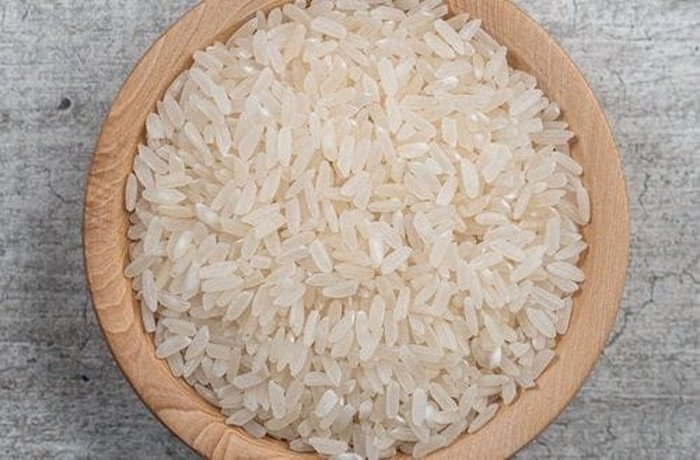
- Raise the heat and sauté for about 3 minutes, stirring, until the rice looks translucent. Place the pot on a heat diffuser or very low heat, carefully add the boiling water and salt, stir, cover, and cook for about 20 minutes without uncovering or stirring.
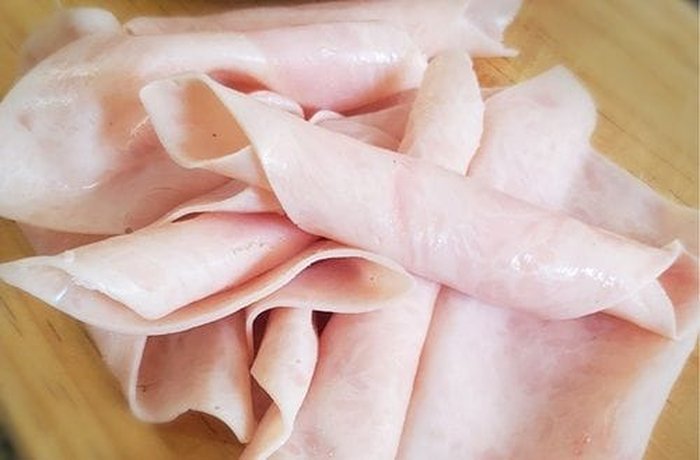
- Dice the turkey ham and brown it in a medium skillet with a little oil, add the chopped scallions, and cook for 2 minutes more. Set aside warm. Beat the eggs in a bowl.

- Cook the eggs in a skillet with a little oil into a barely set omelette, then chop it into small pieces. Uncover the rice, fold in the egg, turkey ham, and scallions, and serve right away, ideally with Mongolian beef or beef stroganoff.
Additional Tips
Use day-old rice
Cold, dry rice from the day before gives the loosest, least sticky chaufán.
Cook components separately
Browning the egg, ham, and vegetables separately gives better control and flavor.
Add soy sauce
In Chile, a splash of soy sauce at the end is common for color and umami; reduce the salt if you use it.
| Original ingredient | Substitute | Ratio | Flavor note |
|---|---|---|---|
| Turkey ham | Chicken, pork, beef, or shrimp | 1:1 | Different protein |
| Long-grain rice | Jasmine rice | 1:1 | Slightly stickier |
| Salt | Soy sauce | To taste | Darker, more umami |
| Scallions | Chives | 1:1 | Milder |
Frequently Asked Questions (FAQs)
1. Why did my chaufán turn sticky?
The rice was not rinsed enough or was fried while still hot and freshly cooked. Use cold rice.
2. Can I add soy sauce?
Yes. In Chile it is common to add a splash at the end; reduce the initial salt to keep sodium in check.
3. Which rice is best?
Long-grain rice, whose higher amylose keeps the grains separate.
4. Can I use other proteins?
Yes. Chicken, pork, beef, or shrimp all work; brown them separately before mixing.
What Is Arroz Chaufán?
Arroz chaufán is the Chilean and Peruvian name for Chinese fried rice, a staple of chifa cooking and Chilean Chinese restaurants.
History of Fried Rice
Fried rice was born in Chinese home kitchens as a way to use leftover rice, and it spread worldwide with Chinese emigrants.
Did You Know?
Most dishes known abroad as Chinese food are adaptations to local tastes, although they keep much of the original technique, such as cooking over high heat.