
Fried camembert with sweet and sour sauce is chilled camembert cut into wedges, breaded in flour, egg, and bread crumbs, fried at 170 to 180°C (338 to 356°F) for 2 to 3 minutes per side until golden, and served with a sauce of apple cider vinegar, soy sauce, brown sugar, ketchup, and tomato sauce thickened with cornstarch. It takes 25 minutes of preparation and 15 minutes of cooking, and serves 4.
A gourmet appetizer that pairs the creaminess of the French cheese with a crisp golden coating.
How to Make Fried Camembert?
The cheese is cut into wedges and breaded twice for extra crunch, chilled so it does not open while frying, fried briefly in hot oil, and served with a homemade sweet and sour sauce.
Nutritional Information
Each serving of fried camembert with sweet and sour sauce contains approximately 380 kcal, 12 g of protein, 22 g of total fat (9 g of saturated fat), 65 mg of cholesterol, 31 g of carbohydrates, 18 g of sugars, and 740 mg of sodium. These values are estimates and may vary depending on ingredients and portion sizes.
Homemade Fried Camembert with Sweet and Sour Sauce Recipe
Preparation: 25 minutes (plus chilling)
Cooking: 15 minutes
Servings: 4
Ingredients
Fried cheese
- 2 camembert cheeses
- 2 large eggs, beaten
- Wheat flour
- Bread crumbs
- Vegetable oil for frying
Sweet and sour sauce
- 3 tablespoons of apple cider vinegar
- 2 tablespoons of soy sauce
- 3 tablespoons of brown sugar
- 2 teaspoons of ketchup
- 2 tablespoons of tomato sauce
- 1 cup of water
- 2 teaspoons of cornstarch
Instructions
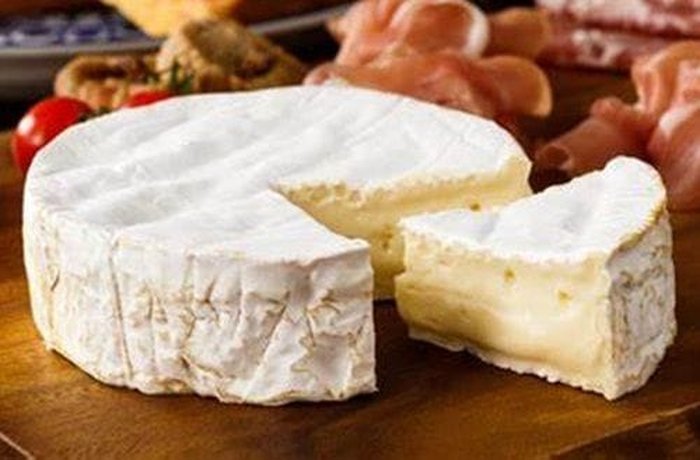
- Chill the camembert for at least 1 hour so it is firm, then cut each into 4 wedges, or 6 for smaller portions. Keep cold. Set out three plates, one with flour, one with beaten eggs, and one with bread crumbs.
- Coat each wedge in flour, then egg, and finally bread crumbs. For extra crunch, repeat the egg and crumb layers. Chill for at least 20 minutes so they do not open when fried.

- Heat the oil in a deep skillet over medium heat to 170 to 180°C (338 to 356°F), without letting it smoke. Fry the camembert in small batches for 2 to 3 minutes per side until golden and crisp, then drain on paper towels.

- In a pot, combine the vinegar, soy sauce, sugar, ketchup, tomato sauce, and water and bring to a boil. Add the cornstarch dissolved in a little cold water and stir until slightly thickened, about 2 minutes. Serve the fried camembert hot with the sweet and sour sauce.
Additional Tips
Keep the oil steady
A constant 175°C (347°F) gives a crisp crust without greasiness, so use a kitchen thermometer and check between batches.
Double coat
A second layer of egg and crumbs keeps the melted cheese inside.
Make the sauce ahead
The sauce can be made a few hours ahead and gently reheated.
| Original ingredient | Substitute | Ratio | Flavor note |
|---|---|---|---|
| Deep frying | Baking at 200°C (392°F) | 10 to 12 minutes | Lighter, less crisp |
| Camembert | Brie | Same amount | Milder |
| Bread crumbs | Panko | To coat | Extra crunch |
| Brown sugar | Honey | 2 tablespoons | Floral sweetness |
Frequently Asked Questions (FAQs)
1. Can I make the sauce ahead?
Yes, a few hours ahead, then reheat it gently before serving.
2. What is the best oil for frying?
A neutral vegetable oil such as sunflower or canola, so it does not affect the flavor of the cheese or sauce.
3. Can I bake it instead of frying?
Yes, at 200°C (392°F) for 10 to 12 minutes, although it will not be as crisp.
4. How do I keep the sauce from being too thin?
Dissolve the cornstarch in a little cold water before adding it to the hot mixture and stir until thickened.
Origin of Camembert
Camembert comes from Normandy, France, and fried camembert recipes have spread to many cuisines. In Chile, dishes like this became popular in fusion restaurants in the 2000s.
Did You Know?
Traditional French camembert is made with raw cow’s milk, while many countries, including Chile, use pasteurized milk for food safety reasons.
How to adapt this recipe to a vegan or vegetarian version?
How to adapt this recipe to a gluten-free version?
How to adapt this recipe to a keto (ketogenic) version?
Recommended
- Chilean Fried Cheese Empanadas Recipe
- Homemade Sweet and Sour Sauce Recipe
- Homemade Nogada Beef Tongue Recipe
- Chilean Blackberry Flan Recipe