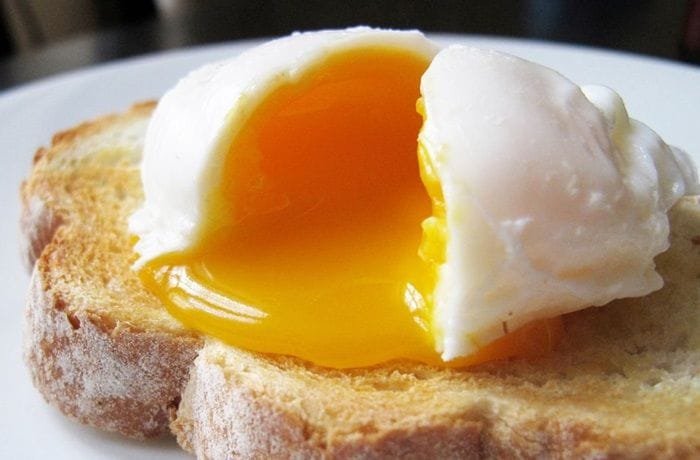
A perfect poached egg, or huevo pochado, is a fresh egg cracked into a bowl and slipped into a whirlpool of boiling water with a teaspoon of vinegar, cooked for 3 minutes for a runny yolk or 4 minutes for a firmer white, and lifted out with a slotted spoon. It takes 5 minutes of preparation and 5 minutes of cooking, and serves 1.
Also called huevo escalfado or huevo flor in Chile, it is a healthy alternative to fried eggs with no added fat.
How to Make Poached Eggs?
Perfect poached eggs need technique and precision: a runny yolk wrapped in a set white. Plenty of water keeps the temperature stable and the vinegar helps the white set.
Nutritional Information
Each poached egg contains approximately 70 kcal, 6 g of protein, 5 g of fat, 1 g of carbohydrates, 0 g of fiber, 1 g of sugars, 186 mg of cholesterol, and 65 mg of sodium. These values are estimates and may vary depending on ingredients and portion sizes.
Perfect Poached Egg Recipe
Preparation: 5 minutes
Cooking: 5 minutes
Servings: 1
Ingredients
- 1 large egg
- 1 liter (4¼ cups) of water
- 1 teaspoon of vinegar

Instructions
- Bring the water to a boil in a small pot over high heat and add the vinegar. Separately, crack the egg carefully into a small bowl without breaking the yolk.
- When the water boils, stir in the center with a spoon to create a whirlpool, slide in the egg, and cook for 3 minutes for a runny yolk or 4 minutes for a firmer white. Lift out with a slotted spoon and serve right away.
Additional Tips
Use room temperature eggs
Take the eggs out of the fridge at least an hour before cooking.
Try the plastic wrap method
If the whirlpool is tricky, wrap each egg in an oiled pouch of plastic wrap, especially for several eggs at once.
Do not boil hard
A violent boil breaks the egg; keep the water at a lively simmer once the egg goes in.
| Original ingredient | Substitute | Ratio | Flavor note |
|---|---|---|---|
| White vinegar | Apple cider vinegar | 1 teaspoon | Milder taste |
| Whirlpool | Plastic wrap pouch | 1 per egg | Easier for several |
| Whirlpool | Silicone poaching cups | 1 per egg | Uniform shape |
| 3 minutes | 4 minutes | Cooking time | Firmer white |
Frequently Asked Questions (FAQs)
1. Why does the egg break in the water?
The water was boiling too hard or the egg was not slipped in gently. Cracking it into a bowl first gives more control.
2. Can I poach several at once?
Yes, with practice, though one at a time is easiest. Silicone cups or the plastic wrap method help.
3. Which vinegar should I use?
Distilled white vinegar does not affect flavor or color, but apple cider vinegar gives a softer touch.
4. Is there a technique for many eggs?
The plastic wrap method, an oiled pouch for each egg, is the most efficient for batches.
History of the Poached Egg
Poached eggs come from medieval French cooking as a way to cook eggs without fat. Poché refers to the pocket the white forms around the yolk.
Did You Know?
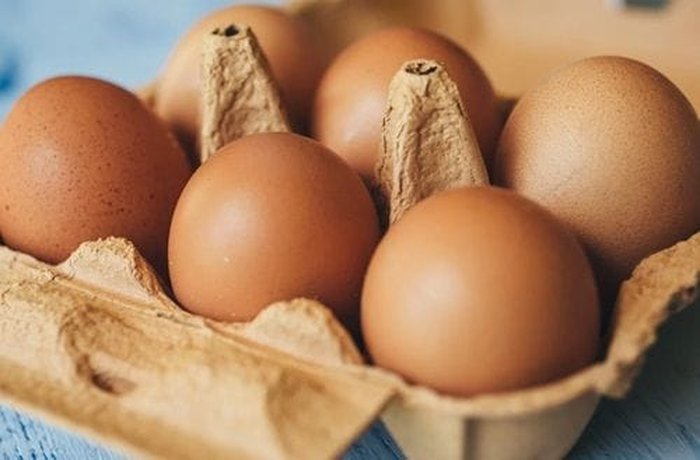
Eggshell color depends on the hen breed, and white and brown eggs have the same nutritional value.
How to adapt this recipe to a vegan or vegetarian version?
How to adapt this recipe to a gluten-free version?
How to adapt this recipe to a keto (ketogenic) version?
Recommended
- Chilean Soft Boiled Eggs Recipe
- Classic and Tuna Stuffed Eggs Recipe
- Chilean Acevichada Sauce Recipe
- Chocolate Truffle Cake Recipe