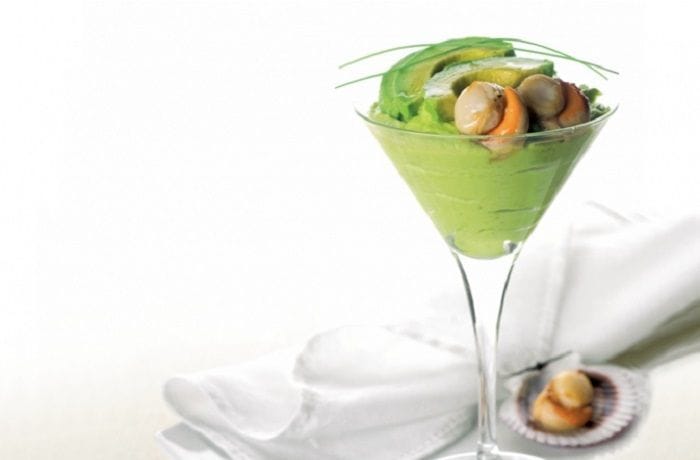
Oysters (or scallops) are not always easy to find fresh in the market, but their flavor pairs perfectly with the smooth taste of avocado in this delicious mousse recipe.
Nutrition Facts
Each serving of Avocado and Oyster Mousse (1 glass) contains approximately 350 kcal, 12 g of protein, 28 g of fat, 10 g of carbohydrates, 50 mg of cholesterol, and 400 mg of sodium.
How to Make Avocado and Oyster Mousse
A preparation that many might consider too sophisticated is actually a simple and wonderful way to combine two typical ingredients of Chilean cuisine. This avocado mousse is also made with cream cheese, eggs, and a bit of unflavored gelatin.
Prep Time: 30 minutes
Cook Time: 30 minutes
Servings: 2
Ingredients
- 200 g cream cheese
- 100 g oysters
- 60 ml warm water
- 6 g unflavored gelatin
- 4 stalks of celery diced
- 3 tablespoons mayonnaise
- 2 avocados
- 2 eggs
- Juice of one lemon
- Salt
- Pepper
Preparation
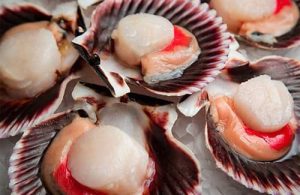
- In a medium skillet, add a drizzle of olive oil, heat over medium heat, and sauté the oysters for about 3 minutes or until lightly browned. Chop into small pieces and set aside. Peel the avocados and place them in a food processor or mini blender, add the cream cheese and mayonnaise, and process until smooth.
- Dissolve the unflavored gelatin in warm water, stir until dissolved, and let it rest for 5 minutes. Add to the avocado mixture and gently stir with a wooden spoon to combine. Add the celery, chopped oysters, and lemon juice; season with salt and pepper to taste, and process until everything is well combined. Transfer to a large bowl.
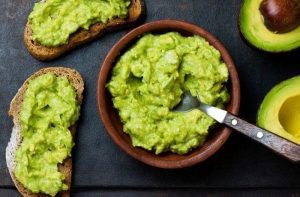
- Beat the egg whites until stiff peaks form and gently fold them into the mixture using a silicone spatula in circular and enveloping motions. Pour into martini glasses and refrigerate for about 60 minutes or until set. Serve the avocado and oyster mousse well chilled, optionally garnished with whole oysters and avocado slices.
Expert Cooking Tips
- Oxidation Prevention: Process the avocado with the lemon juice and cream cheese immediately. The citric acid acts as a chelating agent that inactivates polyphenol oxidase, ensuring the mousse maintains a vibrant green color and doesn’t turn gray after resting.
- Gelatin Tempering: When dissolving the unflavored gelatin in warm water, ensure you incorporate it into the avocado mixture in a thin stream while at room temperature. If added too hot to the cold avocado, lumps (rubbery bits) will form due to thermal shock; if too cold, it won’t integrate homogeneously.
- Filling Moisture Control: Before chopping the sautéed oysters and celery, make sure to drain them well. Excess liquid from cooking or water from the celery can destabilize the cream cheese and avocado emulsion, causing the mousse to release water (syneresis) during refrigeration.
Frequently Asked Questions (FAQ)
1. Why did my mousse turn gray after a few hours?
This is due to enzymatic browning. When avocado is exposed to oxygen, an enzyme called polyphenol oxidase reacts to create melanin. To prevent this, ensure the lemon juice is thoroughly mixed in and press a piece of plastic wrap directly onto the surface of the mousse (contact film) before refrigerating to eliminate air gaps.
2. Can I make this mousse without gelatin?
While the cream cheese and beaten egg whites provide some structure, the gelatin is necessary to make the mousse “sliceable” and stable enough to hold its shape in a glass. If you omit it, the result will be more of a thick dip than a structured mousse.
3. What is the best way to incorporate the egg whites without losing volume?
Use the folding technique. Never use a whisk or an electric mixer once the egg whites are ready. Use a silicone spatula to cut through the center of the mixture, slide across the bottom, and lift over the top while rotating the bowl. This preserves the air bubbles that create the “mousse” texture.
4. How can I ensure the oysters don’t make the mousse watery?
After sautéing the oysters, they must be completely cooled and patted dry before being chopped and added. Adding hot or wet oysters will cause the fats in the cream cheese to melt and the gelatin to break down prematurely, resulting in a runny consistency.
5. Is there a vegetarian alternative to the oysters?
Yes! You can replace the oysters with sautéed king oyster mushrooms or hearts of palm diced finely. Both provide a similar “meaty” or firm texture that contrasts beautifully with the soft avocado base while keeping the dish vegetarian-friendly.
Benefits of Consuming Avocado
It has a high potassium content, where a 100-gram portion includes 14% of the recommended daily intake, helping to reduce blood pressure, heart attacks, strokes, and kidney failures.
Did You Know?
Avocado fats are also highly resistant to heat-induced oxidation, making avocado oil a healthy and safe option for cooking.