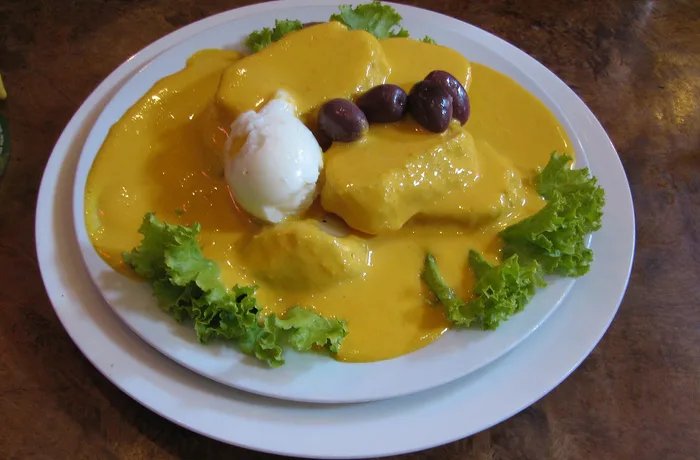
Papas a la huancaína is a Peruvian appetizer of boiled potatoes covered in a creamy sauce of ají amarillo (Peruvian yellow chili), queso fresco (fresh white cheese), milk and soda crackers, served cold on lettuce leaves with hard-boiled egg and botija olives. It takes 50 minutes of prep and 25 minutes of cooking, and serves 4.
What sets it apart is the bright yellow color and gentle heat of the ají amarillo, balanced by the cheese. It is served as a starter or a light lunch, and the same sauce goes very well with boiled corn on the cob or grilled meats.
How to Make Peruvian Potatoes in Huancaína Sauce?
The key is the sauce. The ají amarillo is briefly sautéed with onion and garlic to take away its raw taste, then blended with queso fresco, milk and soda crackers, which thicken it without any flour. The potatoes are boiled in their skins so they do not absorb water and the slices stay firm when cut.
Nutritional Information
Each serving of papas a la huancaína (one 400 g serving) contains approximately 610 kcal, 26 g of protein, 32 g of total fat (11 g of saturated fat), 230 mg of cholesterol, 56 g of carbohydrates, 4 g of sugars and 1,100 mg of sodium. These values are estimates and may vary depending on ingredients and portion sizes.
Homemade Peruvian Potatoes in Huancaína Sauce Recipe
Preparation: 50 minutes
Cooking: 25 minutes
Servings: 4 servings
Ingredients
- 1 kg (2.2 lb) yellow potatoes
- 4 fresh ají amarillo chilies (Peruvian yellow chilies)
- 250 g (9 oz) queso fresco (fresh white cheese)
- 6 soda crackers
- 200 ml (about 3/4 cup) whole milk
- 1/2 onion
- 1 garlic clove
- 2 tablespoons vegetable oil
- 4 eggs
- 8 botija olives (or other purple olives)
- 8 lettuce leaves
- Fine salt
Instructions
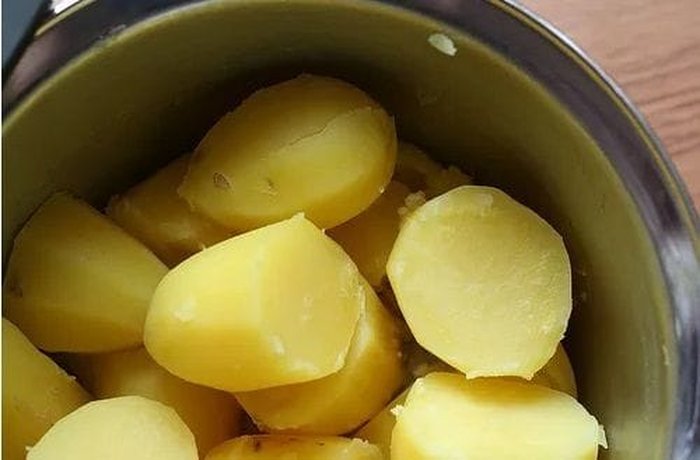
- Wash the potatoes without peeling them, place them in a pot with cold water and 1 teaspoon of salt, and cook over medium heat for 20 to 25 minutes, until a knife slides in with no resistance. In another pot, boil the eggs for 10 minutes from the moment the water boils, move them to cold water and peel them. Peel the potatoes while still warm and let them cool to room temperature.
- Split the ají amarillo chilies lengthwise, scrape out the veins and seeds with a spoon and cut them into pieces. Heat the oil in a skillet over medium heat and sauté the chilies with the diced onion and the garlic for 5 minutes, until the onion is translucent. This step softens the heat and removes the raw taste from the sauce.
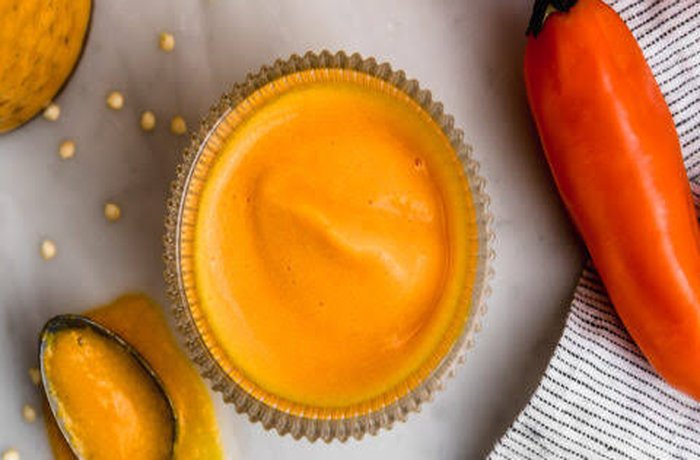
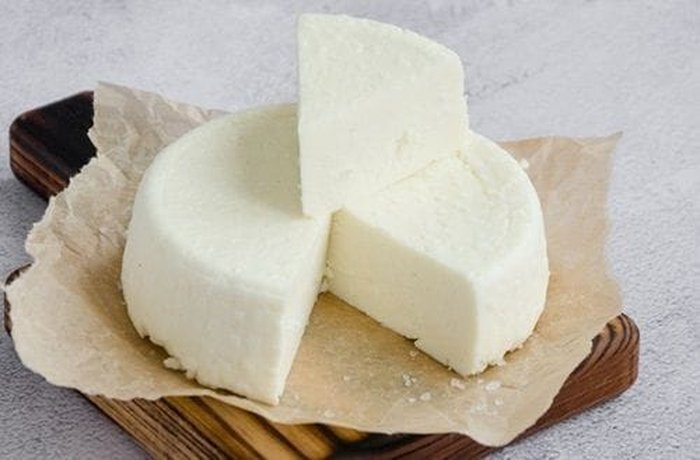
- Put the warm sautéed mixture in a blender with the crumbled queso fresco, the broken soda crackers and half of the milk. Blend for 1 to 2 minutes and add the rest of the milk little by little until you have a thick cream that coats the back of a spoon. Taste and adjust the salt at the end, keeping in mind that the cheese and crackers already add quite a bit.
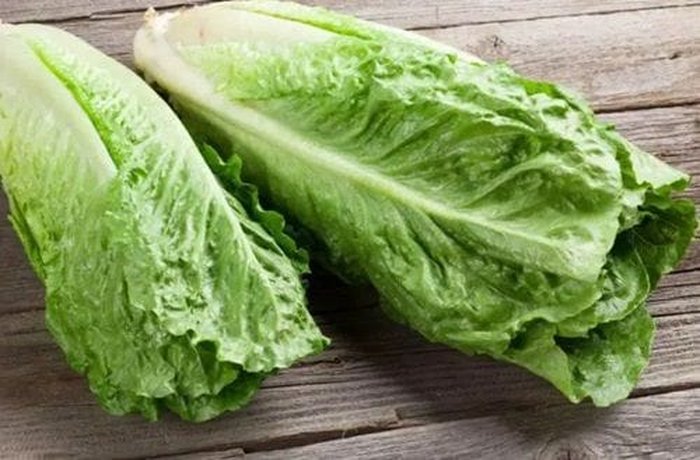
- Cut the cold potatoes into 1.5 cm (5/8 inch) thick slices and the hard-boiled eggs into halves or quarters. Wash the lettuce leaves and dry them very well with a clean towel or a salad spinner, because any water left on them thins the sauce on the plate and dulls its flavor.
- Build each plate with two lettuce leaves as a base, arrange the potato slices on top and cover them generously with huancaína sauce. Finish with one hard-boiled egg per serving and two botija olives. Serve cold or at room temperature, as a starter or a light lunch, and bring the rest of the sauce to the table in a sauce boat.
Additional Tips
How do you keep huancaína sauce from turning bitter?
Bitterness and excess heat come from the chili veins and seeds, so scrape them out completely with a spoon. If the fresh chilies are very hot, blanch them before sautéing: boil them for 1 minute, discard the water and repeat twice more. With jarred ají amarillo paste this step is not needed, but taste the paste first, because some brands are quite salty.
How to fix the texture of the sauce
Huancaína sauce should be thick, with a consistency similar to a light mayonnaise that coats the potato without running to the bottom of the plate. If it turns out runny, add one more soda cracker and blend for a few seconds. If it is too thick, add milk one tablespoon at a time. It thickens a lot in the fridge, so leave it a little looser if you make it hours ahead.
Which potato to use and how to cook the eggs
In Peru the yellow potato, with its floury, deeply colored flesh, is preferred, but in Chile white storage potatoes or the yellow potatoes sold at markets and supermarkets work well. What matters is that they are similar in size so they cook in the same time. For firm yolks without the greenish ring, stick to the 10 minutes of boiling and the cold water bath.
These swaps let you make the recipe with ingredients that are easy to find in any supermarket.
| Original ingredient | Substitute | Effect on the sauce |
|---|---|---|
| Fresh ají amarillo | Ají amarillo paste, 1 tablespoon per chili | Very similar flavor and faster prep; check the salt |
| Fresh ají amarillo | Seeded green chili plus 1/2 yellow bell pepper | Paler color and some of the fruity flavor is lost |
| Queso fresco | Quesillo (mild Chilean fresh cheese) | Milder, less salty sauce |
| Soda crackers | Crustless sandwich bread, 1 slice per 2 crackers | Thickens the same, with a more neutral flavor |
| Whole milk | Evaporated milk | Creamier sauce, as in many Peruvian versions |
Frequently Asked Questions (FAQs)
1. Is papas a la huancaína served cold or hot?
It is served cold or at room temperature. The potatoes are boiled, cooled and then covered with the sauce, which is not heated either, because queso fresco and milk curdle or turn lumpy with heat. That makes it a good starter to prepare ahead and assemble just before serving.
2. Can you make huancaína sauce without fresh ají amarillo?
Yes. The closest option is jarred ají amarillo paste, sold in supermarkets and Peruvian grocery stores, using 1 tablespoon for each fresh chili. If you cannot find it, you can approximate it with a seeded green chili and half a yellow bell pepper, although the characteristic fruity flavor of ají amarillo is partly lost.
3. Why does huancaína sauce use soda crackers?
Soda crackers thicken the sauce and give it body without flour or cooking, because they absorb the milk as it blends. They also add a salty touch that balances the chili. Some home versions use crustless sandwich bread for the same purpose, and the amount is adjusted to how thick you want the cream.
4. How long does huancaína sauce keep in the fridge?
Tightly covered in a jar or airtight container, it keeps for 2 to 3 days in the fridge, since it contains queso fresco and milk. It thickens in the cold, so stir it and add a splash of milk before using. Freezing is not recommended, because the cheese separates when thawed and the texture turns grainy.
What Is Peruvian Potatoes in Huancaína Sauce?
Papas a la huancaína is a cold Peruvian dish of boiled potato slices covered in huancaína sauce, a blend of sautéed ají amarillo, onion, garlic, queso fresco, milk and soda crackers. It is plated on lettuce with hard-boiled egg and botija olives and served as a starter or light lunch. It has become a familiar dish on Chilean tables because it can be made ahead and serves several people.
History of Peruvian Potatoes in Huancaína Sauce in Chile
The name a la huancaína means in the style of Huancayo, a city in the central highlands of Peru, although the exact origin of the dish is not documented and several versions circulate. It brings together two very old Andean ingredients, the potato and the chili, with dairy products used every day in Peruvian cooking.
In Chile it became known with the growth of the Peruvian community and of Peruvian restaurants in recent decades, and today it appears in home recipe collections, workplace cafeterias and lunch menus across the country.
Did You Know?
Ají amarillo belongs to the species Capsicum baccatum, different from that of bell peppers and the Chilean cacho de cabra chili. Despite its name, it turns a deep orange when ripe. Dried, it is known in Peru as ají mirasol, and it is the base of many sauces and stews in that cuisine besides huancaína.
How to adapt this recipe to a vegan or vegetarian version?
How to adapt this recipe to a gluten-free version?
How to adapt this recipe to a keto (ketogenic) version?
Recommended
- Homemade queso fresco for a from-scratch huancaína sauce
- Peruvian spicy seafood stew, another ají based classic
- Arroz chaufán, the fried rice of Chinese Peruvian roots
- Chilean papas mayo, a cold potato side for summer