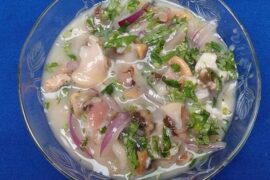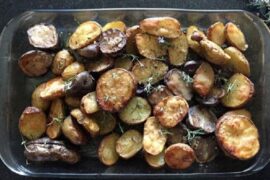
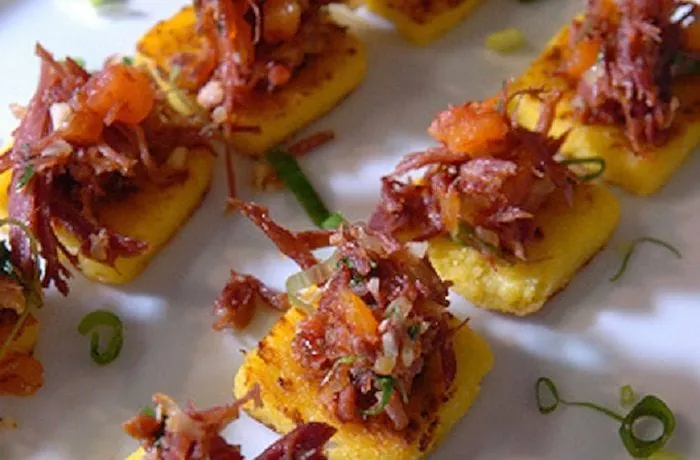
Chilean canapés de charqui are bite-sized appetizers built on toasted white bread rounds brushed with merkén butter, topped with a mixture of rehydrated shredded charqui (dried salted meat) and purple onion caramelized with sugar and soy sauce, and finished with fresh parsley. The entire preparation takes 30 minutes. They are described in Chile as “una receta casi olvidada” — a nearly forgotten recipe now experiencing a revival as artisanal charqui regains recognition.
Charqui is one of the oldest food preservation techniques in South America, predating Spanish colonization by centuries. The word comes from the Quechua charki — dried meat — and the Chilean version is made from beef or horse, salted heavily and sun-dried until firm and shelf-stable.
How to Make Chilean Charqui Canapés?
Drain the charqui thoroughly after the 10-minute hydration and press it between sheets of paper towel before shredding. Any retained moisture transfers directly to the bread rounds during assembly, turning the toasted surface soft within minutes. Dry charqui shreds also absorb the soy-onion cooking juices more effectively during the final 2-minute simmer, producing a more cohesive topping.
Toast the bread rounds in the oven rather than in a toaster — the flat oven surface produces an even, consistent toast across the entire round without the raised edges that a toaster slot creates, which makes the canapé base more stable once topped.
Nutritional Information
Per serving (based on 6 servings): approximately 210 kcal, 9 g protein, 13 g total fat (5 g saturated), 13 g carbohydrates, 450 mg sodium. Charqui is a concentrated protein source — 100 g of dried charqui contains roughly 60 g of protein. The high sodium content reflects both the charqui curing process and the soy sauce in the topping; those managing sodium intake may reduce the soy sauce to 1 tablespoon and rinse the hydrated charqui before shredding.
Chilean Charqui Dried Meat Canapés Recipe
Prep time: 20 minutes | Cook time: 10 minutes | Servings: 6
Ingredients
- 100 g charqui (dried salted beef or horse meat)
- 8 slices white sandwich bread
- 1 purple onion, finely sliced
- 2½ tablespoons soy sauce
- 1 tablespoon sugar
- ½ cup (115 g) butter, melted
- ½ teaspoon merkén (Chilean smoked chili spice blend)
- 2 tablespoons vegetable oil
- Fresh parsley, finely chopped, for garnish
Instructions
- Bring a small saucepan of water to a boil. Add the charqui pieces and simmer for 10 minutes to rehydrate. Drain and press between paper towels to remove excess moisture. Shred the charqui by hand into thin strips, discarding any very tough or gristly pieces. Set aside. Using a round cookie cutter or the rim of a glass, cut each bread slice into one or two circles of 4 to 5 cm diameter.
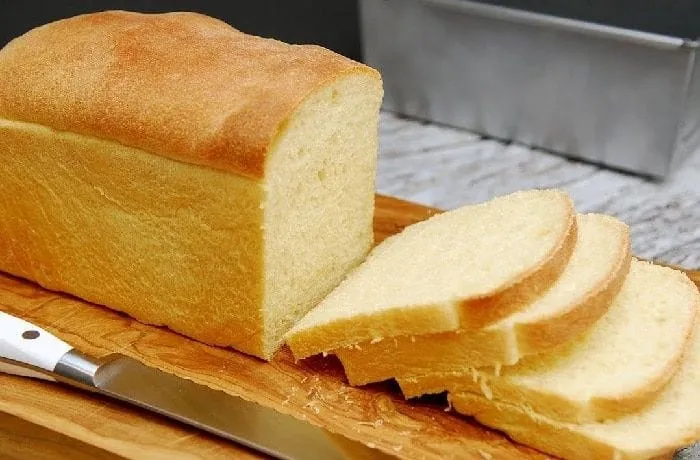
- Preheat the oven to 180°C (356°F). Mix the melted butter with the merkén in a small bowl until evenly combined. Arrange the bread rounds on a baking sheet in a single layer. Brush the merkén butter generously over the top of each round. Place in the oven and bake for 5 minutes until the rounds are golden and crisp on the surface. Remove and set aside.
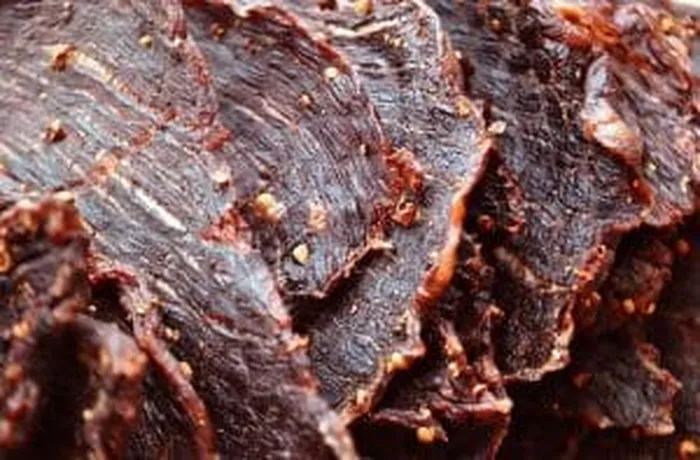
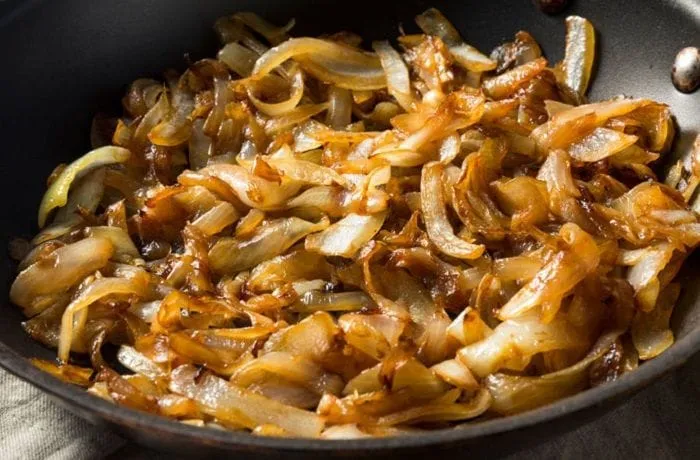
- Heat the vegetable oil in a skillet over medium-high heat. Add the sliced purple onion and sauté for 3 to 4 minutes, stirring, until soft and translucent. Add the sugar and soy sauce and continue cooking, stirring occasionally, until the onion caramelizes and the liquid reduces to a thick glaze — approximately 3 more minutes. Add the shredded charqui to the pan, stir to combine, and cook on low heat for 2 minutes until the charqui has absorbed the flavors. Remove from the heat.
- Spoon a small amount of the charqui-onion mixture onto each toasted bread round. Garnish each canapé with a pinch of fresh parsley. Arrange on a serving plate and serve immediately — the bread rounds stay crisp for approximately 20 minutes once topped.
Additional Tips
How to add a creamy layer to balance the salty charqui?
Spread a thin layer of cream cheese directly onto each toasted bread round before adding the charqui-onion topping. The cream cheese creates a barrier that slows moisture transfer from the topping to the bread, extending the crunch of the round by several minutes, while its mild dairy richness balances the salt and smoke of the charqui. Ripe avocado mashed with lemon juice and a pinch of salt is a lighter, more Chilean alternative. Apply either option immediately before topping — neither holds well if applied more than a few minutes before serving.
How to intensify the flavor of the charqui topping?
After draining and before shredding, dry-toast the hydrated charqui strips in a hot, ungreased pan for 60 seconds per side. This reactivates the Maillard browning that occurred during the original drying process and adds a deeper, more complex roasted note to the meat that survives the final simmer with the onion. Add a splash of white wine or pisco to the skillet when sautéing the onion — it deglazes the pan and adds acidity that sharpens the savory profile of the caramelized onion.
How to adapt this recipe for fresh herbs?
Incorporate fresh oregano or thyme leaves into the onion sauté — add them with the sugar and soy sauce so they cook into the glaze rather than sitting raw on top. The aromatic oils in both herbs bind well with the fat in the soy-onion mixture and complement the smoke note of the merkén in the bread base. Fresh cilantro added as a garnish in place of parsley gives a more Andean character to the finished canapé and works particularly well when using horse charqui.
Chilean Appetizers Comparison
| Dish | Main ingredient | Base | Served |
|---|---|---|---|
| Canapés de charqui (this recipe) | Dried meat | Toasted bread round | Cold/warm |
| Pichanga fría | Cheese + cold cuts | None (platter) | Cold |
| Choriqueso | Longaniza + cheese | Hallulla bread | Hot |
| Almejas a la parmesana | Clams | Shell | Hot |
Frequently Asked Questions (FAQs)
1. What type of charqui works best for this recipe?
Both beef and horse charqui work well but produce different results. Beef charqui has a milder flavor and shreds into finer, more tender strands after hydrating — it is the easiest to find outside Chile and suits guests unfamiliar with charqui. Horse charqui has a more intense, slightly gamey flavor and firmer texture; it is the more traditional choice in Chilean inland and northern cooking and pairs particularly well with the merkén. Start with beef charqui if this is your first time making charqui canapés.
2. How long should I hydrate the charqui before using it?
Ten minutes in boiling water is the minimum for this recipe, which keeps the charqui firm enough to shred distinctly. For a softer, more tender result, soak in cold water for 2 to 3 hours — this slower hydration produces longer, more tender strands. Always drain and press the charqui dry after hydrating regardless of method; excess moisture in the topping makes the toasted bread rounds soggy within minutes of assembly.
3. What beverages pair best with charqui canapés?
Light red wines work well: a young Chilean País or young carménère complement the smoky, salty flavors of the charqui and the sweetness of the caramelized onion. Amber Ale beer cuts through the butter fat and adds toasty, caramel notes that echo the caramelized onion. A classic pisco sour provides acidity and bubbles that cleanse the palate between bites. Avoid heavy, tannic reds — they overpower the merkén and parsley garnish.
4. Can I prepare the components ahead of time?
Yes. The charqui-onion topping can be made up to 24 hours ahead and refrigerated in an airtight container — reheat gently in a skillet for 2 minutes before assembling. The bread rounds can be cut and stored at room temperature for up to 6 hours before baking. Bake and assemble no more than 20 minutes before serving — the toasted rounds lose their crunch within 30 minutes of being topped.
5. How can I add a creamy layer to balance the salty charqui?
Spread a thin layer of cream cheese onto the toasted bread round before adding the topping — it acts as a moisture barrier that extends the crunch and adds mild dairy richness that balances the salt and smoke. Ripe avocado mashed with lemon juice and salt is a lighter alternative. A smear of pebre (Chilean fresh herb salsa) under the topping adds acidity and freshness. Apply any of these immediately before serving.
What Is Chilean Charqui?
Charqui (from Quechua charki) is dried, salted meat — one of the oldest food preservation technologies in the Americas, used by Andean civilizations long before European contact. In Chile, charqui is traditionally made from beef or horse meat: the meat is sliced thin, rubbed heavily with salt, and dried in open air under the sun, a process that removes moisture and inhibits bacterial growth, producing a shelf-stable product that can be stored for months without refrigeration. Chilean charqui is produced primarily in the Norte Grande (Atacama, Antofagasta) and in the inland valleys of the central and southern regions. It is sold in hard, flat strips that are nearly black on the surface and deep red inside. Its flavor is intensely savory, salty, and slightly smoky from the oxidation that occurs during the drying process.
History of Charqui Canapés in Chilean Cooking
Charqui as an ingredient appears throughout Chilean culinary history as a staple of working-class and rural cooking — a protein source that required no refrigeration and could be carried long distances, used in stews, soups, and rice dishes across the country. Its use in canapés reflects the twentieth-century urbanization of traditional Chilean ingredients, a process in which rural staples were reframed as appetizers for middle-class gatherings. The canapé format — a European contribution to Chilean entertaining culture — arrived in Chile through Spanish and French culinary influence in the nineteenth century. Combining it with charqui, merkén, and caramelized onion produced a distinctly Chilean fusion that appeared in household entertaining in the mid-twentieth century before falling out of fashion during the decades when imported processed foods dominated Chilean tables. Its current revival is part of a broader movement in Chilean gastronomy to recover traditional indigenous and mestizo ingredients.
Did You Know?
Chile produces several regional varieties of charqui, each with a distinct character tied to the climate and altitude where it is made. Norte Grande charqui — made in the Atacama Desert and Altiplano regions — is considered the most traditional and the most intensely flavored, because the extreme dryness and UV radiation of the high desert produce a faster, more complete drying process. Charqui made in the central valleys is typically milder and less concentrated. In Patagonia, lamb charqui (charqui de cordero) is a regional specialty. Horse charqui — once stigmatized outside its traditional production areas — is experiencing a commercial revival as Chilean chefs and food producers market it as a high-protein, heritage product on both domestic and export markets.