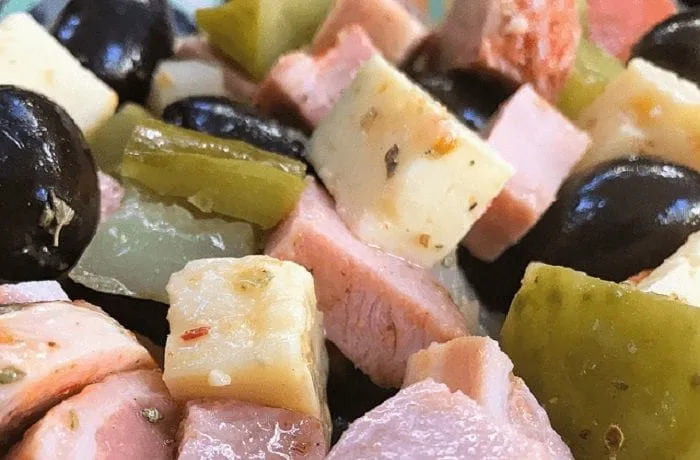
Chilean cold pichanga fría is a sharing platter of diced deli meats, cubed cheese, olives, and assorted pickles, chilled overnight and served cold with pan amasado (homemade bread) and merken on the side. It requires no cooking and comes together in 30 minutes of prep plus a 12-hour rest in the refrigerator.
The dish originated as a way to use up the small ends of cold cuts and cheese blocks from the almacén counter — pieces too small to slice but too good to discard. Today it is the standard accompaniment to cold beers at Chilean social gatherings, equally at home at an asado, a family reunion, or a casual evening at a bar.
How to Make Chilean Pichanga Fría?
The only technique required is consistent dicing: all ingredients cut to 1 to 2 cm cubes mix and chill evenly, allowing the pickle brine and ají oil to distribute through the meats and cheese during the overnight rest. Larger pieces stay dry in the center; smaller pieces turn mushy.
Do not add dressing at the mixing stage. The pickles release their brine as they rest and naturally moisten the platter. Taste after 12 hours and add a drizzle of olive oil or a splash of pickle juice only if the mixture seems dry.
Nutritional Information
Per serving (approximately 150 g): 350 kcal, 18 g protein, 25 g total fat, 12 g carbohydrates, 3 g fiber, 2 g sugars, 60 mg cholesterol, 850 mg sodium. Note: values vary significantly depending on the specific deli meats and cheese used. Pichanga is high in saturated fat and sodium — best enjoyed in moderate portions.
Chilean Cold Pichanga Fría Recipe
Prep time: 30 minutes | Rest time: 12 hours | Servings: 10
Ingredients
- 200 g ham (jamón de cerdo)
- 200 g mortadela
- 200 g queso mantecoso (or queso chanco / gouda)
- 200 g green or mixed olives
- 50 g pearl onions (pickled)
- 50 g gherkins (pepinillos)
- 50 g pickled cauliflower
- 50 g pickled carrot
- 4 ají oro chili peppers
- Pan amasado (homemade Chilean bread) to serve
- Merken and fine salt to taste
Instructions
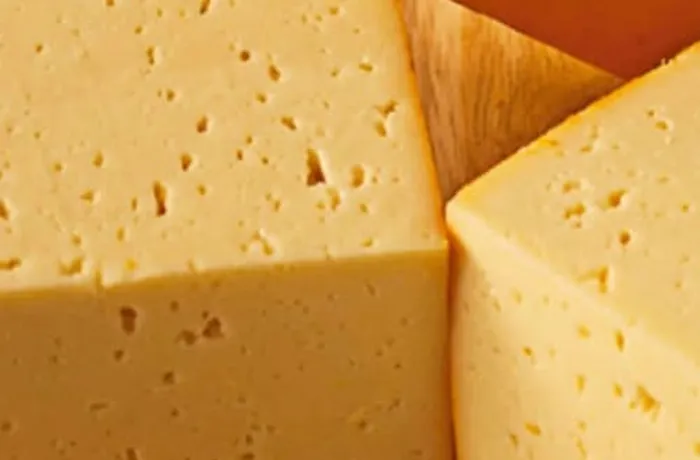
- Dice the ham, mortadela, and queso mantecoso into 1 to 2 cm cubes. Place them in a large mixing bowl.
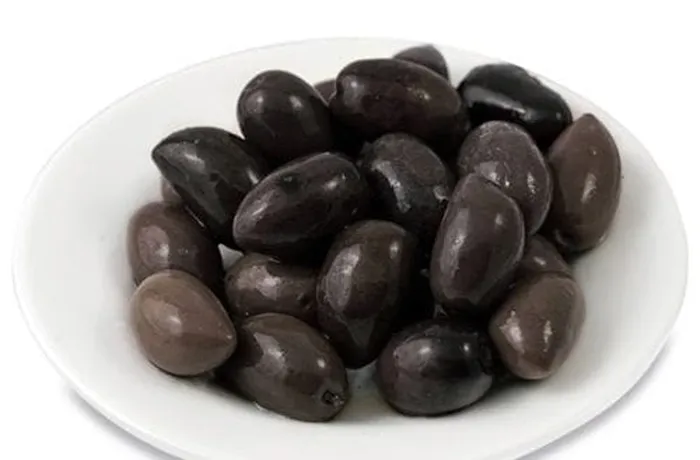
- Add the olives and all the pickles — pearl onions, gherkins, pickled cauliflower, and pickled carrot — to the bowl. Mix everything together with a wooden spoon until well combined.
- Cover the bowl with plastic wrap and refrigerate for at least 12 hours to allow the pickle brine and ají flavors to penetrate the meats and cheese.
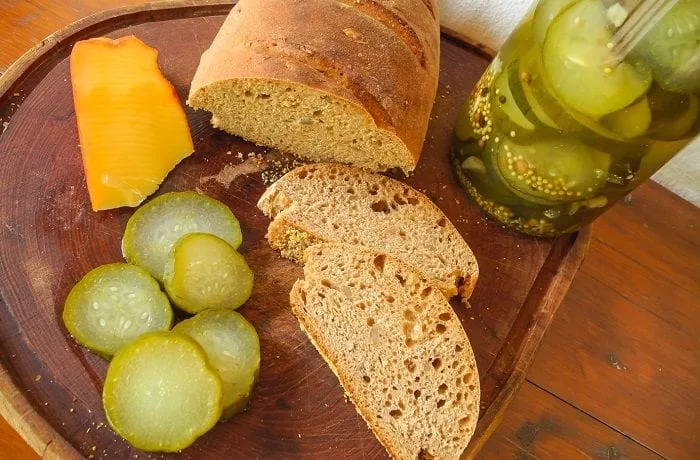
- Serve cold in individual bowls or a large sharing platter. Garnish with sliced ají oro and dust with merken. Provide toothpicks and accompany with pan amasado on the side.
Additional Tips
How to get the best flavor from an overnight rest?
Mix all the ingredients the night before and refrigerate covered for 12 hours. During this time the pickle brine migrates into the meats and cheese, creating a cohesive flavor that tastes far better than a freshly mixed platter. If you are short on time, a minimum of 4 hours still produces a noticeable improvement. Stir once halfway through to redistribute the brine.
How to adjust the platter if it seems too dry or too wet?
If after 12 hours the mixture looks dry, add a tablespoon of olive oil and a splash of the pickle jar liquid and stir well. If it looks too wet, drain the excess brine through a sieve and return the solids to the bowl. The olives and pickles release different amounts of liquid depending on brand and salt content, so this adjustment is normal.
How to make a lighter version with less sodium and fat?
Replace half the mortadela with cooked chicken breast or turkey slices. Use a lower-sodium queso fresco instead of queso mantecoso. Rinse the pickles briefly under cold water before adding to reduce the salt load. Serve with vegetable sticks (carrots, celery, cucumber) instead of pan amasado to reduce the overall calorie count per serving.
Pichanga Variations Across Chile
| Version | Defining ingredient | Region | Typical setting |
|---|---|---|---|
| Classic cold pichanga | Ham, mortadela, queso mantecoso | Central Chile | Bar, asado, home |
| Hot pichanga (caliente) | Longaniza, chorizo, melted cheese | Nationwide | Bar, restaurant |
| Seafood pichanga | Machas, camarones, locos | Coastal cities | Marisquería |
| Vegetarian pichanga | Artichoke hearts, sun-dried tomatoes | Urban Chile | Home, catering |
Frequently Asked Questions (FAQs)
1. How long does Chilean pichanga fría keep in the refrigerator?
Well covered and refrigerated, pichanga fría keeps for up to 4 days. For the best texture and flavor, consume within the first 48 hours before the pickles begin to soften the meats and the cheese absorbs too much brine.
2. What cheese works best for pichanga fría?
Queso mantecoso is the traditional choice for its mild, buttery flavor and firm texture that holds its shape in cubes. Queso chanco, gouda, or firm quesillo are good substitutes. Avoid soft or runny cheeses — they dissolve into the brine during the overnight rest.
3. What drinks pair best with Chilean pichanga?
Cold beer is the classic pairing — particularly the Chilean fanschop (chilled draft lager). Young white wine, chuflay (pisco with ginger ale), or pisco sour also complement the salty, briny character of the platter. The acidity in the wine or cocktail cuts through the fat of the meats and cheese.
4. Can I prepare pichanga fría in advance?
Yes — it is specifically designed to be made ahead. Preparing it the night before allows the pickle brine and ají flavors to fully penetrate the meats and cheese, producing a much better result than a freshly mixed platter. This also makes it one of the most practical appetizers for entertaining large groups.
5. What is the origin of the word pichanga in Chile?
The word derives from Quechua and originally meant cleaning or sweeping up. In Chilean cuisine it refers to using up leftover deli meat ends and cheese scraps from the almacén counter — pieces too small to slice but too flavorful to discard. The term has other meanings across Latin America: an informal street football match in Chile, a partially fermented wine in Argentina, and different slang uses in Colombia and other countries.
What Is Chilean Pichanga Fría?
Pichanga fría is Chile’s quintessential cold sharing platter — a mixture of diced deli meats (typically ham and mortadela), cubed queso mantecoso, green olives, and assorted pickled vegetables, served chilled with toothpicks and pan amasado. It occupies the same cultural role as a Spanish tapas board or an Italian antipasto plate, but with distinctly Chilean ingredients and the specific character that comes from an overnight marinade in pickle brine.
History of Pichanga in Chile
Pichanga emerged from the neighborhood almacén — the traditional Chilean corner store that sold cold cuts and cheese by the slice. The smaller, irregular pieces left at the end of each block were too small to sell by the slice but too good to throw away. Shopkeepers began dicing and mixing these remnants with pickled vegetables and olives, selling the combination by weight as an affordable, ready-to-eat snack. The practice spread into homes and bars, where it became the standard accompaniment to cold beer at informal gatherings, asados, and fútbol matches.
Did You Know?
The word pichanga carries different meanings depending on the country. In Chile it refers both to this cold appetizer platter and to an informal street football match played with improvised teams. In Argentina, pichanga describes a wine that has not finished fermenting. The Quechua root means sweeping or cleaning up — a fitting origin for a dish built entirely around using up what remains.