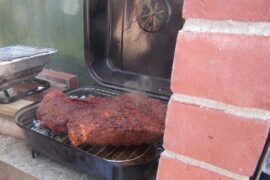
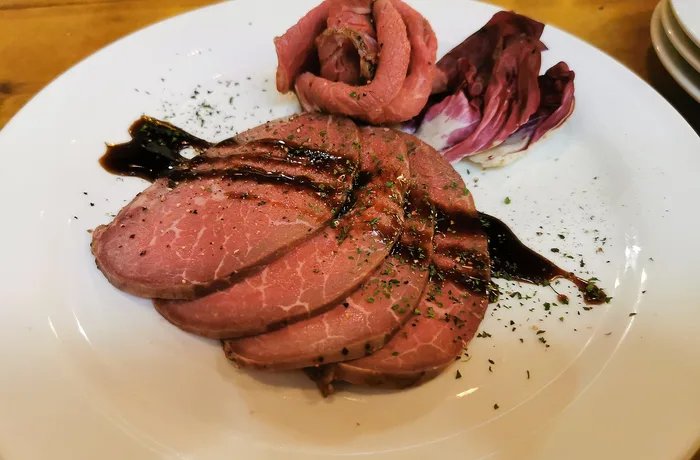
Chilean oven-roasted ribeye, or lomo vetado al horno, is a whole piece of this beef cut seared in a skillet and roasted at 180°C (356°F) until it reaches the internal temperature of your chosen doneness, then served in slices. It takes 45 minutes of prep and 1 hour 15 minutes of cooking, resting included, and serves 6.
What sets it apart is the intramuscular fat of the vetado, which softens as it cooks and keeps the meat juicy. It is served sliced with its pan juices, mashed potatoes or salads, and it is a common centerpiece at Christmas and New Year’s dinners in Chile.
How to Make Oven-Roasted Ribeye?
The technique combines a high heat sear, which browns the surface, with moderate roasting at 180°C (356°F), which cooks the center without drying out the edges. Unlike lomo liso al horno (roast striploin), which is leaner with an even grain, lomo vetado is best cooked to at least medium so the interior fat softens and spreads its flavor.
Nutritional Information
Each serving of Chilean oven-roasted ribeye (one 180 g serving) contains approximately 520 kcal, 44 g of protein, 38 g of total fat (15 g of saturated fat), 150 mg of cholesterol, 1 g of carbohydrates, 0 g of sugars and 800 mg of sodium. These values are estimates and may vary depending on ingredients and portion sizes.
Homemade Oven-Roasted Ribeye Recipe
Preparation: 45 minutes
Cooking: 1 hour 15 minutes
Servings: 6 servings
Ingredients
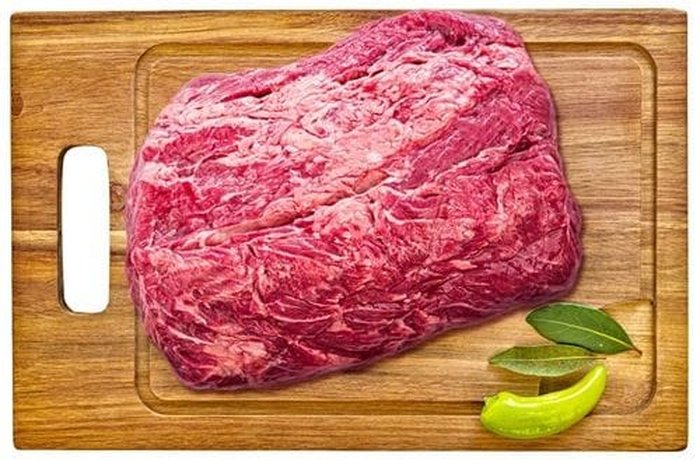
- 1 boneless ribeye roast (lomo vetado), 1.5 kg (3.3 lb), in one piece
- 1 tablespoon coarse salt
- 1 teaspoon coarsely ground black pepper
- 2 tablespoons oil
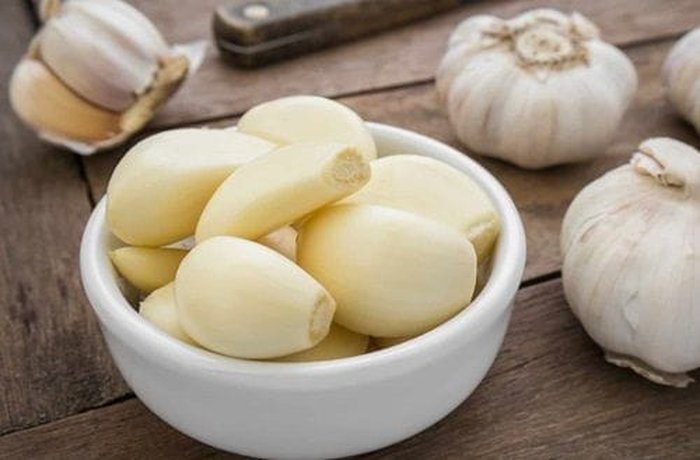
- 4 garlic cloves, unpeeled
- 2 sprigs fresh rosemary
- 1/2 cup (125 ml) red wine
- Kitchen twine

Instructions
- Take the ribeye out of the fridge 30 minutes before cooking. Pat it dry with paper towels, trim the outer fat to a layer of about half a centimeter (1/4 inch) and tie it with kitchen twine every 3 cm (1 1/4 inches) so it keeps an even shape. Rub the whole surface with the coarse salt and pepper. Preheat the oven to 180°C (356°F).
- Heat the oil in a large cast iron skillet over high heat until it barely smokes. Sear the roast for 2 minutes on each side, ends included, about 8 to 10 minutes in total, until a golden crust forms. Do not move it while it browns, because the meat releases from the pan on its own when the crust is ready.

- If the skillet is ovenproof, leave the roast in it; if not, move it to a baking dish. Add the crushed unpeeled garlic cloves and the rosemary sprigs around it. Insert a thermometer into the center of the thickest part and roast for 40 to 50 minutes, until it reaches the pull temperature for your chosen doneness. For medium, take it out at 55°C (131°F).
- Move the roast to a cutting board, tent it loosely with aluminum foil and let it rest for 15 minutes. During the rest the internal temperature rises a few degrees and the juices redistribute inside the meat, which is why they run out onto the board if you slice it too early.

- While it rests, if the skillet or dish can go over direct heat, set it with the juices over medium heat, pour in the red wine and scrape the bottom with a wooden spoon. If the dish cannot go on the burner, scrape the juices out with the wine and reduce them for 3 to 4 minutes in a small saucepan. Remove the garlic and rosemary. Take off the twine, cut the roast into 1.5 cm (5/8 inch) slices against the grain and serve with the pan juices, with mashed potatoes or chimichurri if you like.
Additional Tips
Why cook ribeye longer than striploin?
Lomo liso (striploin) is a lean cut that is best juicy because it has little fat to render. Lomo vetado has a central seam of fat and plenty of marbling, and that fat needs a bit more heat to soften. Pulled at 50°C (122°F), the seam stays firm and a little waxy to the bite, while at medium or medium well the fat softens and spreads its flavor through every slice.
A thermometer beats the clock
Two roasts of the same weight can take different times if one is longer and thinner than the other. The 40 to 50 minutes in the recipe are a guide for a piece about 9 cm (3 1/2 inches) across, but start checking at minute 35. A quick read probe thermometer is inexpensive and prevents the most common mistake with this cut, which is overcooking it.
Salting ahead improves the crust
If you have time, salt the roast 12 to 24 hours ahead and keep it uncovered on a rack in the fridge. The salt penetrates the meat and the surface dries, so the sear forms a more even, golden crust. In that case do not salt it again before cooking; just add the pepper right before it goes into the skillet.
Take the roast out of the oven a few degrees before your target doneness, because the temperature keeps rising during the 15 minute rest.
| Doneness | Pull from the oven at | Final result when sliced |
|---|---|---|
| Rare | 50°C (122°F) | Red center, fat still firm |
| Medium, recommended for ribeye | 55°C (131°F) | Pink center, soft fat |
| Medium well | 60°C (140°F) | Pale pink, rendered fat |
| Well done | 68°C (154°F) | No pink, less juicy |
Frequently Asked Questions (FAQs)
1. What is the difference between lomo vetado and lomo liso?
Both come from the beef loin area, but lomo vetado (ribeye) has a central seam of fat and more intramuscular fat, while lomo liso (striploin) is leaner with an even grain. That is why ribeye handles the oven better and is best served medium, while striploin is best juicy with a shorter cooking time.
2. How long does 1 kg of ribeye take in the oven?
A 1 kg (2.2 lb) piece, seared first and roasted at 180°C (356°F), takes 30 to 40 minutes to reach medium, plus 15 minutes of resting. The time depends mostly on the thickness of the piece, so the most reliable method is to pull it when the thermometer reads 55°C (131°F) in the center.
3. What oven temperature should you use for ribeye roast?
An oven at 180°C (356°F) cooks the center in a reasonable time without drying out the edges, as long as the roast has been seared in a skillet first. At higher temperatures the difference in doneness between the edge and the center grows, and the gray band under the crust gets thicker.
4. Can you roast ribeye without a thermometer?
You can, going by time and pressing the meat with your finger, but the result is less precise. As a reference, a 1.5 kg (3.3 lb) piece at 180°C (356°F) reaches medium in about 45 minutes. If you have no thermometer, make a small cut in the center at minute 40 to check the color.
What Is Oven-Roasted Ribeye?
Lomo vetado al horno is a whole Chilean ribeye roast, seasoned with coarse salt and pepper, seared in a hot skillet and finished in a 180°C (356°F) oven with garlic and rosemary. It is pulled at the temperature of the chosen doneness, rested and sliced against the grain, then served with a quick red wine pan sauce. Its marbling keeps it juicy, which makes it a favorite for holiday dinners.
History of Oven-Roasted Ribeye in Chile
The name vetado refers to the veins of fat (vetas) that run through this cut, known in other countries as ojo de bife or ribeye. Chile has its own system of names for beef cuts, different from the Argentine or American ones, and lomo vetado ranks among the most prized cuts for grilling and roasting.
Serving it roasted at Christmas and New Year’s dinners is a widespread custom in many Chilean families.
Did You Know?
The rise in temperature that happens after meat comes out of the oven is called carryover cooking. It adds a few degrees, more the larger the piece and the hotter the oven. That is why cooks pull meat before it reaches its final doneness and let it rest covered.
How to adapt this recipe to a vegan or vegetarian version?
How to adapt this recipe to a gluten-free version?
How to adapt this recipe to a keto (ketogenic) version?
Recommended
- Chilean lomo liso al horno, a leaner whole roasted cut
- Chilean grilled entrecote, another well marbled cut for the fire
- Creamy Chilean mashed potatoes to serve with the roast
- Homemade chimichurri sauce for sliced roast beef