Category

Soups

Category

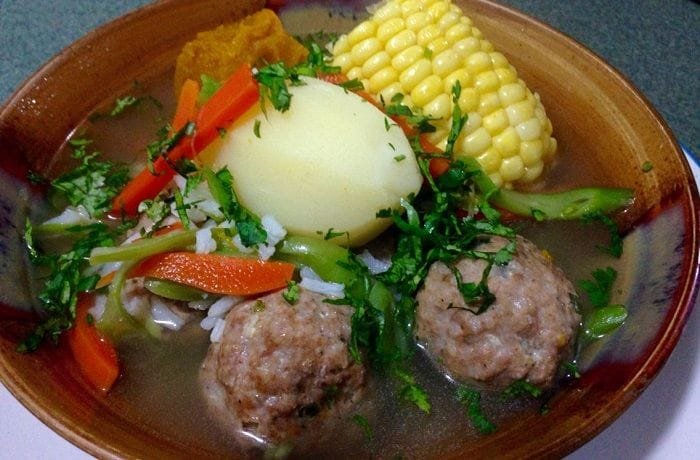
Versión en Español Chilean cazuela de albondigas is a hearty soup of seasoned beef meatballs simmered in beef broth with potatoes, squash, corn, green beans, carrot, and red pepper, finished with fresh parsley. It takes 30 minutes of preparation plus 45 minutes of cooking and serves 4 people. It is a much loved variation of the classic Chilean cazuela, with the same structure and aroma as the traditional version but tender meatballs that make it…

Versión en Español Chilean sanco, also called pavo de sal, is a savory Mapuche porridge of harina tostada (toasted wheat flour) stirred into a hot broth flavored with onion, garlic, and aji de color, served thick and topped with merken. It takes 15 minutes of preparation plus 25 minutes of cooking and serves 4 people. It is a traditional, nourishing, and restorative dish of Mapuche origin, a preparation well worth rescuing. How to Make Chilean…

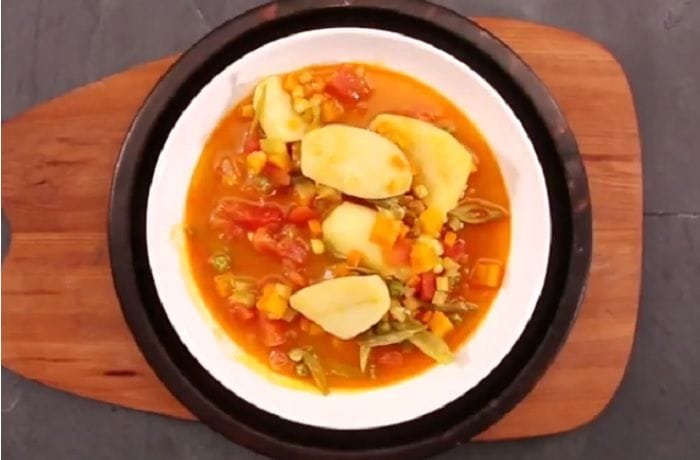
Versión en Español Chilean locro falso is a meatless Andean style vegetable stew of potatoes, squash, green beans, peas, carrot, and celery simmered with oregano and cumin, then enriched with a sofrito of onion, tomato, corn, and aji de color and finished with grated Parmesan. It takes 60 minutes of preparation plus 45 minutes of cooking and serves 6 people. The word locro comes from the Quechua ruqru or luqru, meaning stew, a hearty dish…

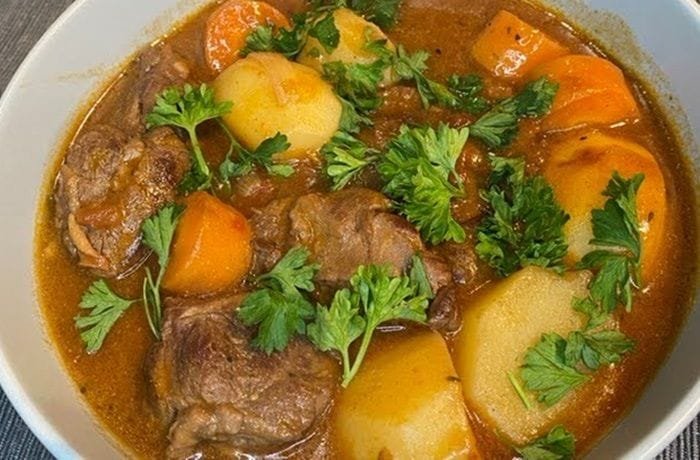
Versión en Español Chilean cazuela de cordero magallanica is a hearty lamb soup from the Magallanes region in which lamb pieces are simmered into a clear broth and cooked with potatoes, carrots, squash, green beans, celery, and bell pepper, finished with a little rice and fresh cilantro. It takes 30 minutes of preparation plus 2 hours of cooking and serves 6 people. It is an emblematic dish of Magallanes, especially Punta Arenas, where cold weather…

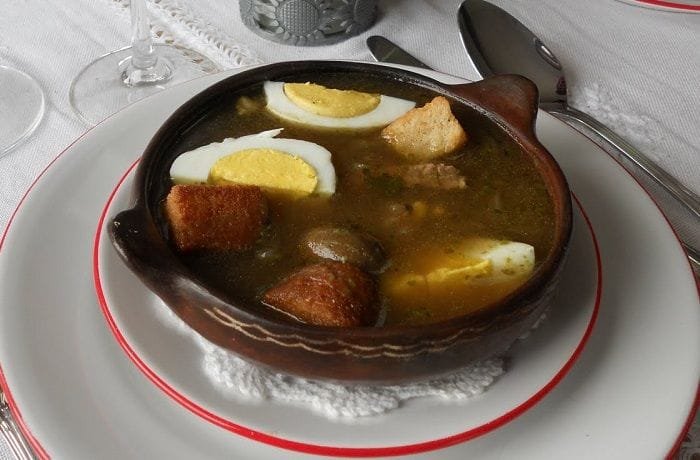
Versión en Español Chilean sopa de jigote is a colonial era stew of finely chopped beef cooked with onion, wine, and vinegar in its own broth, then layered with raisins, black olives, cheese, and herbs and served with croutons and hard boiled egg. It takes 30 minutes of preparation plus 30 minutes of cooking and serves 4 people. An almost forgotten recipe in Chile, jigote was a common dish in the eighteenth century, and the…

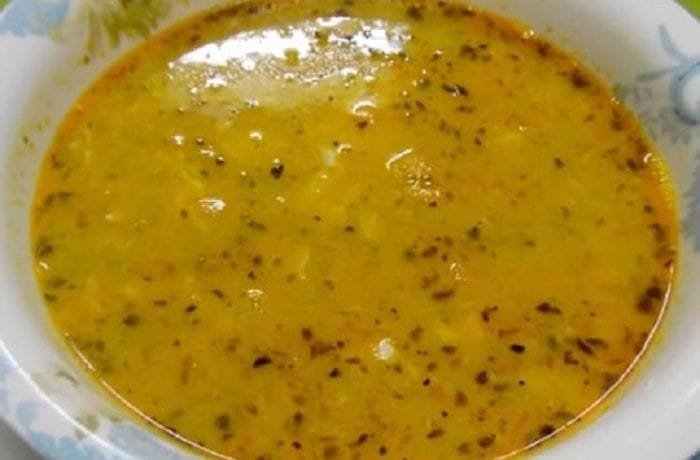
Versión en Español Caldo de harina tostada is a southern Chilean winter soup built on a sofrito of onion, aji de color, and merken, thinned with boiling water and thickened with toasted wheat flour, then finished with egg whites and yolks stirred in off the heat. It takes 10 minutes of preparation plus 10 minutes of cooking and serves 4 people. It is a heritage dish of the Mapuche tradition and of rural southern households,…

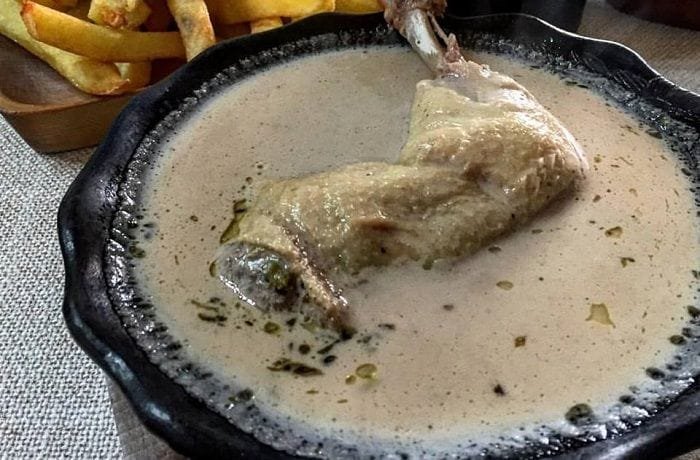
Versión en Español Cazuela nogada is a Chilean chicken stew in which the pieces are browned first, simmered with onion, celery, parsley, potatoes, and rice, and then finished with a ground walnut sauce stirred in at the very end. It takes 30 minutes of preparation plus 60 minutes of cooking and serves 6 people. The walnut sauce is what sets it apart from every other cazuela, giving the broth a thick, creamy body and an…

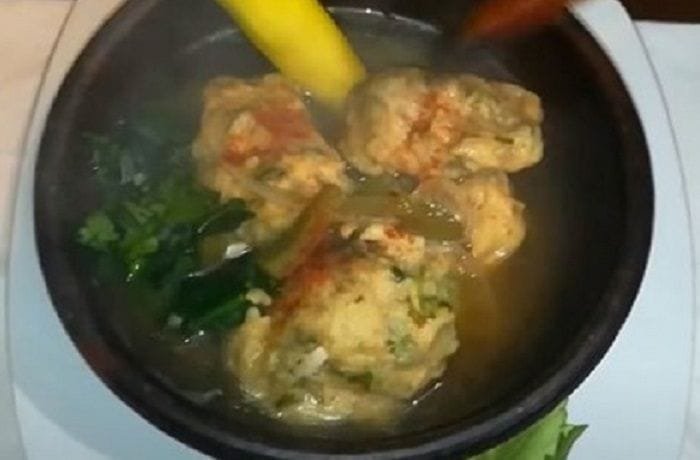
Versión en Español Machos ahogados, also known as sopones, is a traditional Chilean winter soup in which spoonfuls of a flour and egg batter are dropped into a seasoned beef broth and simmered until they set into soft dumplings. It takes 30 minutes of preparation plus 30 minutes of cooking and serves 4 people. It is one of the oldest and cheapest soups in the Chilean repertoire, made all over the country when the weather…

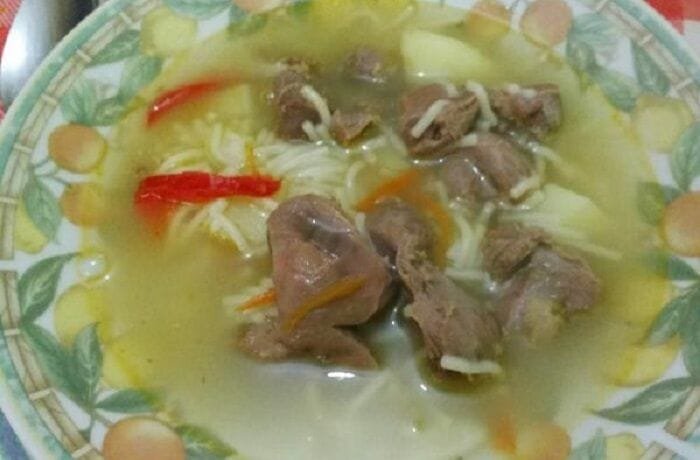
Versión en Español Chicken gizzard soup, known in Chile as “sopa de contre,” is a traditional dish made with the chicken’s muscular stomach. This cut stands out for its high protein content and low fat, and turns into a warming, restorative broth once slow-cooked with vegetables, potatoes, and noodles. For a tender bite, it helps to pre-boil the gizzards in water with a splash of vinegar first, since the slow cooking process is what breaks…

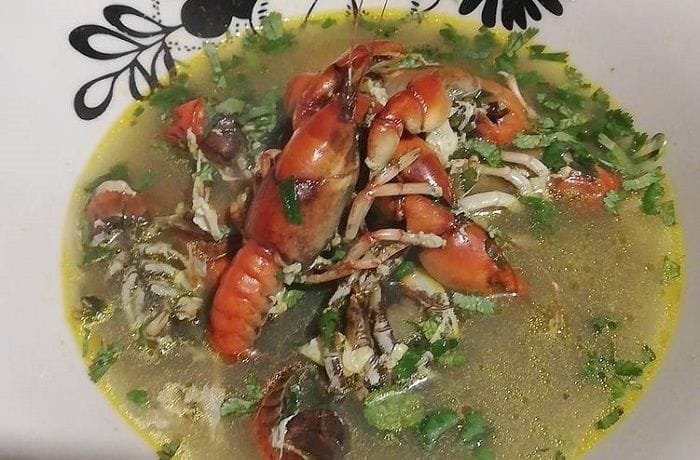
Versión en Español Vega shrimp, also called Chilean mud shrimp (Parastacus pugnax), is a crustacean native to the semi-marshy lowlands known as “vegas”, mainly found in the central valley of the Ñuble region. Nutritional Information Each serving of vega shrimp chowder contains approximately 180 kcal, 10 g of carbohydrates, 8 g of fat, 15 g of protein, 2 g of fiber, 3 g of sugars, and 400 mg of sodium. (*) Values may vary depending…