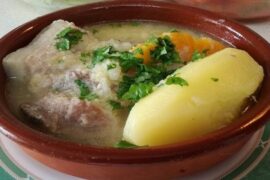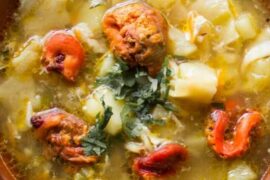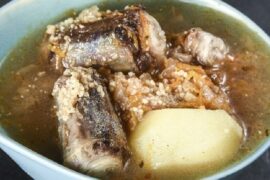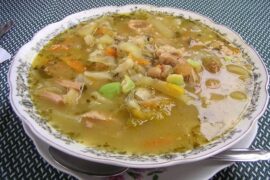
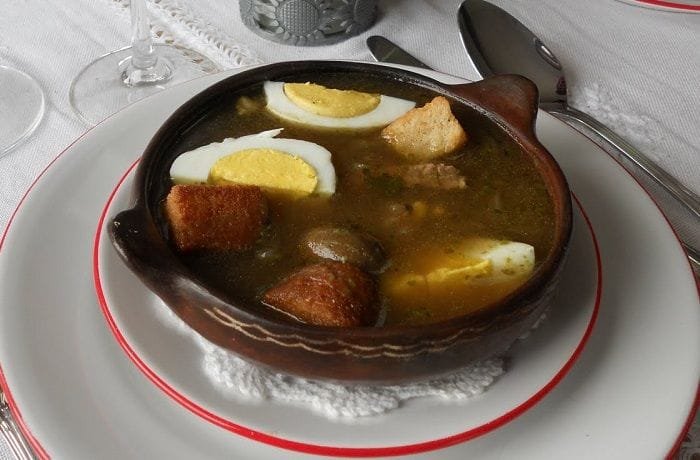
Chilean sopa de jigote is a colonial era stew of finely chopped beef cooked with onion, wine, and vinegar in its own broth, then layered with raisins, black olives, cheese, and herbs and served with croutons and hard boiled egg. It takes 30 minutes of preparation plus 30 minutes of cooking and serves 4 people.
An almost forgotten recipe in Chile, jigote was a common dish in the eighteenth century, and the word generally referred to food chopped into small pieces.
How to Make Chilean Sopa de Jigote?
According to old records and descriptions, traditional jigote is mainly a stew of chopped meat, a Chilean dish ideal for cold winter days. The beef is boiled, chopped like empanada filling, simmered with a sofrito and its broth, and finished with the sweet and salty contrasts of raisins, olives, and cheese.
Nutritional Information
Each serving of sopa de jigote contains approximately 300 kcal, 20 g of protein, 15 g of total fat (5 g of saturated fat), 80 mg of cholesterol, 12 g of carbohydrates, 5 g of sugars, and 600 mg of sodium. These values are estimates and may vary depending on ingredients and portion sizes.
Homemade Chilean Sopa de Jigote Recipe
Preparation: 30 minutes
Cooking: 30 minutes
Servings: 4 people
Ingredients
- 500 g (1.1 lb) of posta negra (beef eye of round or silverside)
- 300 ml (10 fl oz) of water
- 30 ml (1 fl oz) of wine
- 1 tablespoon of vinegar
- 1 hard boiled egg
- 1 onion, finely chopped
- Black olives
- Raisins
- Grated cheese
- Bread croutons
- Fresh mint (hierbabuena)
- Parsley
- Garlic powder
- Fine salt
- Black pepper
Instructions
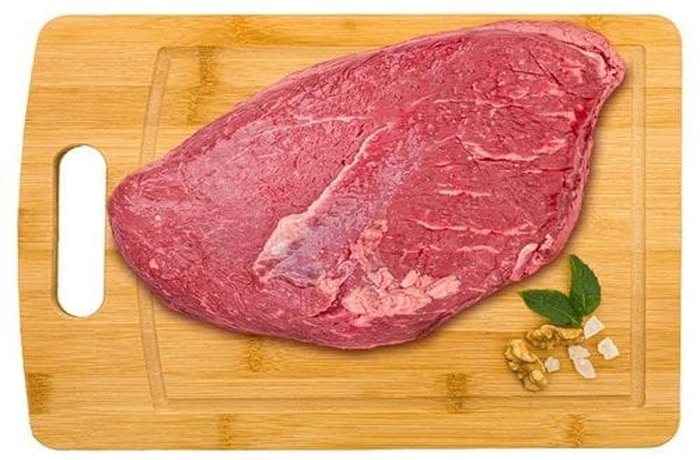
- In a medium pot, cook the posta negra over medium heat for about 20 minutes. Let it cool slightly and chop the meat into small cubes, like empanada filling. Keep both the meat and the cooking broth.
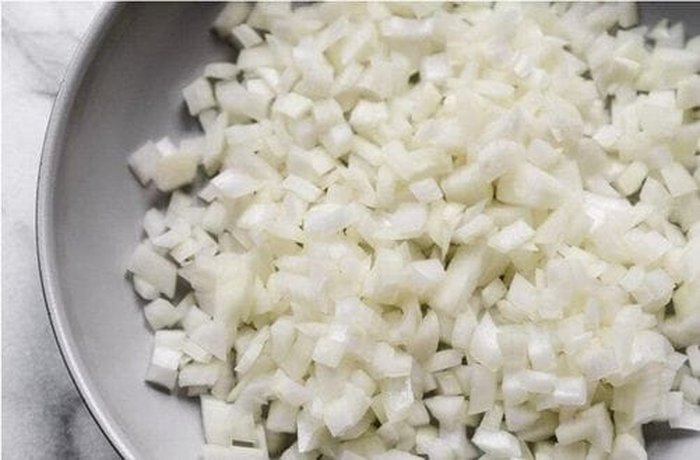
- In a medium frying pan, saute the finely chopped onion over medium heat for about 5 minutes, then add the chopped beef, stir gently, and cook for a couple of minutes more. Add the water, the wine, the vinegar, garlic powder, and salt and pepper to taste, and stir to bring the flavors together.
- Transfer the mixture to a large greased clay dish, add 2 cups of the beef cooking broth, and cook over medium heat for about 15 minutes, checking the liquid and adding more water if needed.
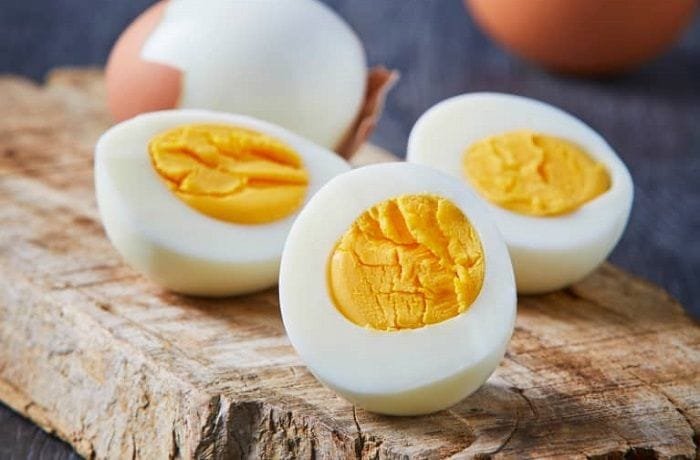
- Adjust the seasoning and add in layers the raisins, the olives, the grated cheese, the mint, and the parsley, and heat for a couple of minutes more. Serve very hot in individual clay bowls, topped with fried bread croutons and sliced hard boiled egg.
Additional Tips
Chop the meat by hand
Cutting the boiled beef into small, even cubes by hand, as for empanada filling, gives the jigote its characteristic texture, better than grinding it.
Keep the broth
The cooking broth of the posta is the base of the soup. Reserve all of it and add it gradually so the jigote stays moist without becoming watery.
Finish in clay
A clay dish holds the heat and lets the cheese on top melt and brown lightly, as in the old colonial kitchens.
| Original ingredient | Substitute | Ratio | Flavor note |
|---|---|---|---|
| Posta negra | Posta rosada or lean beef | 1:1 | Similar |
| Posta negra | Chopped turkey | 1:1 | Lighter |
| Wine | Beef stock | 1:1 | No acidity |
| Black olives | Capers | 3 : 1 | Sharper, saltier |
Frequently Asked Questions (FAQs)
1. Which meat can I use if I do not have posta negra?
Replace it with other lean cuts such as posta rosada, lomo liso, or even chopped turkey, although the flavor will change slightly.
2. Why is vinegar added to the stew?
Vinegar balances the stew with acidity and helps soften the meat. It was a common technique in colonial recipes to bring out flavor without many seasonings.
3. What do the raisins, olives, and cheese add?
They bring the classic contrasts of Chilean criollo cooking, sweetness, saltiness, and creaminess, a combination that reflects Spanish influence adapted to local taste.
4. Why finish it in a clay dish?
Clay keeps the heat well and deepens the flavor of old stews like this one, and a few minutes in clay lets the top turn tastier and lightly gratinated.
What Does Jigote Mean?
According to the Real Academia Espanola, the word jigote comes from the French gigot, meaning leg of mutton, lamb, or kid cut to be served at the table, and it is also used for food chopped into small pieces.
History of Jigote in Chile
Jigote appears in recipe books and documents of the eighteenth and nineteenth centuries as a criollo stew adapted to local customs. It was common in homes with Spanish influence and was prepared on winter days and for celebrations.
Did You Know?
Versions of jigote also exist in other Latin American countries such as Bolivia, Mexico, and Peru, where it is made with local touches like hen, potatoes, peas, bell pepper, almonds, or capers.
How to adapt this recipe to a vegan or vegetarian version?
How to adapt this recipe to a gluten-free version?
How to adapt this recipe to a keto (ketogenic) version?
Recommended
- Chilean Machos Ahogados Soup Recipe
- Chilean Toasted Flour Soup Recipe
- Chilean Beef Cazuela Recipe
- Chilean Concones Soup Recipe