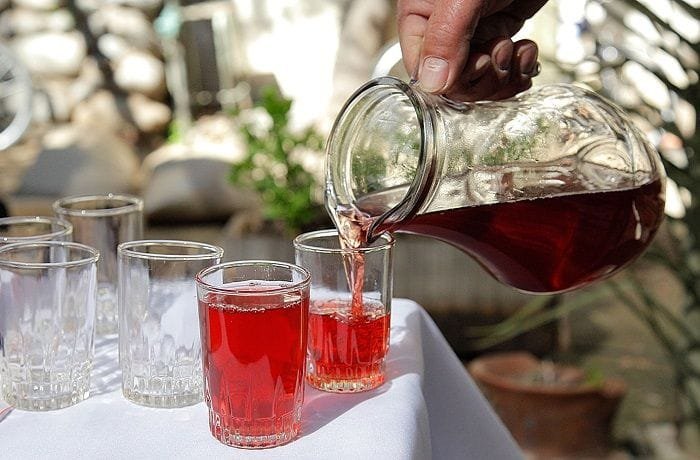
Chilean retafiao, or retafiado, is a traditional liqueur made by mixing fresh grape juice with aguardiente in a 2 to 1 ratio and leaving it to rest and slowly ferment for at least 30 days. It takes 30 minutes of preparation plus a month of aging and serves 12 people.
It is mostly drunk in southern Chile, where it is said to have taken root with the French immigrants who settled around Tome in the nineteenth century.
How to Make Chilean Retafiao?
Retafiao is essentially a slow refermentation of lagrimilla, the sweet, unfermented grape juice, mixed with aguardiente. You combine the two in a glass or clay vessel, always in a 2 to 1 ratio, and let it rest somewhere dark until the flavors come together.
Nutritional Information
Each serving of retafiao contains approximately 250 kcal, 20 g of carbohydrates, 20 g of sugars, and 5 mg of sodium. These values are estimates and may vary depending on ingredients and portion sizes.
Homemade Chilean Retafiao Recipe
Preparation: 30 minutes
Aging: 30 days
Servings: 12 people
Ingredients
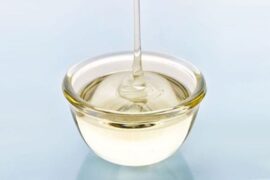
- 2 liters (68 fl oz) of freshly pressed grape juice (lagrimilla)
- 1 liter (34 fl oz) of aguardiente
- Ice, to taste

Instructions
- In a large glass or clay container, pour in the freshly pressed grape juice and the aguardiente, always in a 2 to 1 ratio whatever the quantity you make. Stir gently to combine and leave it to rest in a dry, dark place for at least 30 days.
- In some areas the mixture is stored in wooden or stainless steel barrels for up to 2 years. Serve the retafiao in small glasses, as an aperitif or after dinner drink, since it is quite strong.
Additional Tips
Use fresh, sweet juice
The best retafiao starts with freshly pressed, sweet grape juice from Moscatel grapes. Juice that has already started fermenting gives a sharper, less rounded liqueur.
Keep the 2 to 1 ratio
Two parts juice to one part aguardiente is the traditional balance. More aguardiente makes it harsher and slows the refermentation that softens it.
Be patient
Thirty days is the minimum. Longer rests round out the flavors, and some families age it in barrels for up to two years.
| Original ingredient | Substitute | Ratio | Flavor note |
|---|---|---|---|
| Aguardiente | Pisco | 1:1 | Softer, more aromatic |
| Moscatel grape juice | Pais grape juice | 1:1 | Darker, less floral |
| Clay vessel | Glass jar | 1:1 | No earthy note |
| 30 days of aging | Up to 2 years in a barrel | Longer | Rounder, woody |
Frequently Asked Questions (FAQs)
1. Why does it rest for so long?
The rest lets the sugars and the alcohol integrate and ferment slightly, softening the aguardiente and giving a more complex, balanced flavor.
2. How do I know the retafiao is ready?
After at least 30 days in a cool, dark place it will taste smoother and smell better. With longer rests the flavors round out even more.
3. Does it have a designation of origin in Chile?
No. Retafiao is a traditional, artisanal drink with no official standard, but it is deeply rooted in the rural areas of southern Chile.
4. How strong is it?
With two parts juice to one part aguardiente, it usually ends up at around 15 to 20% alcohol, depending on the aguardiente used and how long it rests, so it should be drunk in moderation.
What Is Lagrimilla?
Lagrimilla is sweet grape juice that has not yet fermented, usually made from about 60% Moscatel de Alejandria and 40% Torontel grapes, although Pais grapes are also used in the first stage of fermentation.
History and Origin of Retafiao
In the mid nineteenth century, French immigrants who settled around Tome to work in the textile industry brought with them the custom of making fruit liqueurs with distilled alcohol. Where the European ratafia was often made with nuts or herbs, in southern Chile it was adapted to the abundant vineyards, combining French technique with local aguardiente and the lagrimilla of the Itata and Biobio valleys.

Did You Know?
The name comes from the French ratafia, a word that originally referred to a liqueur drunk to ratify an agreement or treaty, from the Latin rata fiat.
How to adapt this recipe to a vegan or vegetarian version?
How to adapt this recipe to a gluten-free version?
How to adapt this recipe to a keto (ketogenic) version?
Recommended
- Chilean Canelita Mistela Recipe
- Chilean Chicha de Uva de Curacavi Recipe
- Chilean Araucano Herbal Bitter Recipe
- Pajarete Cocktail Recipe