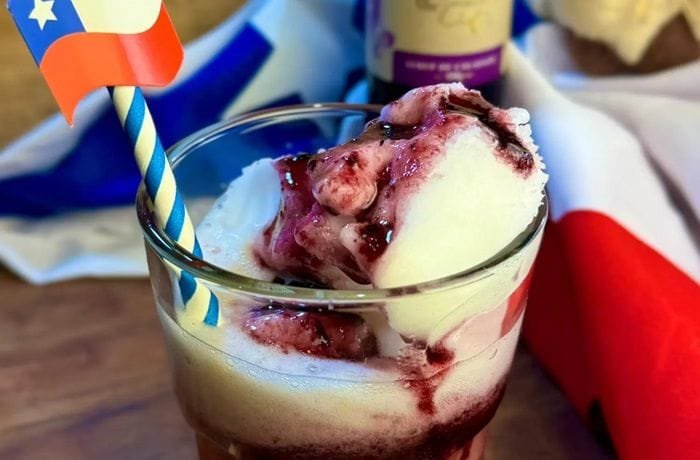
Chilean calafate syrup is a deep purple sweetener made by simmering calafate berries with sugar, water, and a touch of lemon, then straining the liquid into bottles. It takes 15 minutes of preparation plus 30 minutes of cooking and makes 10 servings.
It comes from Chilean Patagonia and is made from the berries of the calafate, a wild shrub known for its sweet and sour flavor and its antioxidant properties, ideal for desserts, drinks, and cocktails.
How to Make Chilean Calafate Syrup?
You cook fresh or frozen calafate berries with sugar and water until the mixture thickens and the flavor concentrates, then strain it through a fine sieve or cheesecloth. The result is a bright, fruity syrup to pour over desserts or to use instead of simple syrup in drinks.
Nutritional Information
Each serving of calafate syrup contains approximately 80 kcal, 20 g of carbohydrates, 0 g of fat, 0 g of protein, 0 g of fiber, 20 g of sugars, 0 mg of cholesterol, and 2 mg of sodium. These values are estimates and may vary depending on ingredients and portion sizes.
Homemade Chilean Syrup de Calafate Recipe
Preparation: 15 minutes
Cooking: 30 minutes
Servings: 10
Ingredients
- 250 g (9 oz) of calafate berries
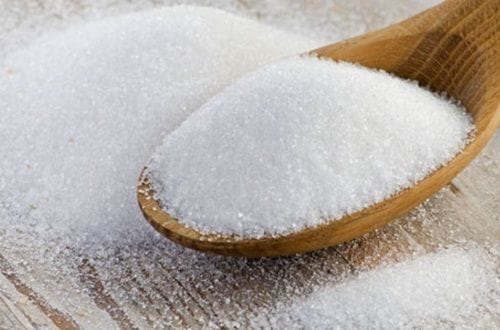
- 200 g (1 cup) of sugar
- 200 ml (7 fl oz) of water
- 1 small lemon

Instructions
- Rinse the calafate under cold water to remove any impurities. In a medium pot, combine the berries, sugar, and water, and bring the mixture to a boil over medium heat, stirring occasionally.
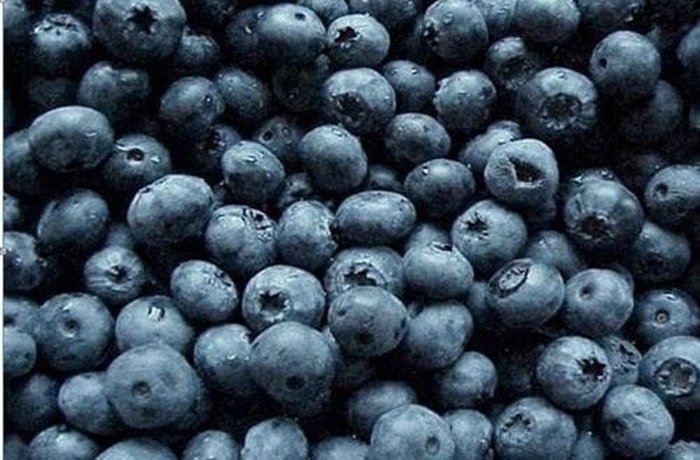
- Lower the heat and simmer for about 30 minutes, or until the berries are soft and the mixture has thickened. If you like, add 1 teaspoon of lemon juice to brighten the flavor.
- Remove from the heat and let it cool slightly. Strain the mixture through a fine sieve or cheesecloth to separate the liquid from the solids. Pour the syrup into a clean bottle and store it in the refrigerator.
Additional Tips
Macerate the berries overnight
Let the calafate rest with the sugar for a few hours, ideally overnight, in the refrigerator. The berries release their juices naturally, which intensifies the flavor and shortens the cooking time.
Sterilize the bottles
Before pouring in the syrup, sterilize the bottles in boiling water for 10 minutes. This extends the shelf life of the syrup and prevents fermentation or mold, especially if you plan to keep it for a while.
Press the pulp gently
When straining, press the berries lightly with the back of a spoon to extract more syrup, but do not force the seeds through the sieve or the syrup will turn cloudy.
| Original ingredient | Substitute | Ratio | Flavor note |
|---|---|---|---|
| Calafate | Blueberries | 1:1 | Sweeter, less tart |
| Calafate | Maqui berries | 1:1 | More astringent, darker |
| White sugar | Honey | 200 g : 150 g | Floral, thicker |
| Lemon juice | Lime juice | 1:1 | More aromatic |
Frequently Asked Questions (FAQs)
1. How long does calafate syrup keep in the fridge?
Stored in sterilized, well sealed bottles, calafate syrup keeps in the refrigerator for 3 to 4 weeks. Always check the smell before using it.
2. What can I do with the pulp after straining?
The leftover pulp and seeds are edible and full of flavor. Stir them into plain yogurt, use them as a tart filling, or add them to muffin batter for a Patagonian touch.
3. Can I use frozen calafate?
Yes. Frozen calafate works perfectly because freezing breaks down the cell walls of the berries, helping them release their juice and flavor during cooking. There is no need to thaw them first.
4. How do I use this syrup in cocktails?
Use it in any cocktail that calls for simple syrup and would benefit from a fruity note, such as a pisco sour or a martini. Replace the simple syrup with calafate syrup for a sweet and sour taste and an intense color.
What Is Calafate?
Calafate (Berberis microphylla) is a thorny shrub of southern Patagonia whose small, dark blue berries ripen in summer. They taste sweet and slightly tart, and they are used in jams, liqueurs, ice creams, and the famous calafate sour.
History and Origin of Calafate
Calafate is native to Patagonia, in both Chile and Argentina, and is known for its resistance to cold and its ability to thrive in the region’s harsh climate. It was widely used by the Indigenous communities who lived in the area.
Did You Know?
Calafate is rich in antioxidants, which help fight free radicals in the body. It also has anti inflammatory properties and is a good source of vitamin C, making it a great ally for the immune system.
How to adapt this recipe to a vegan or vegetarian version?
How to adapt this recipe to a gluten-free version?
How to adapt this recipe to a keto (ketogenic) version?
Recommended
- Chilean Calafate Sour Recipe
- Chilean Calafate Liqueur Recipe
- Chilean Cherry Kuchen Recipe
- Chilean Murta Kuchen Recipe