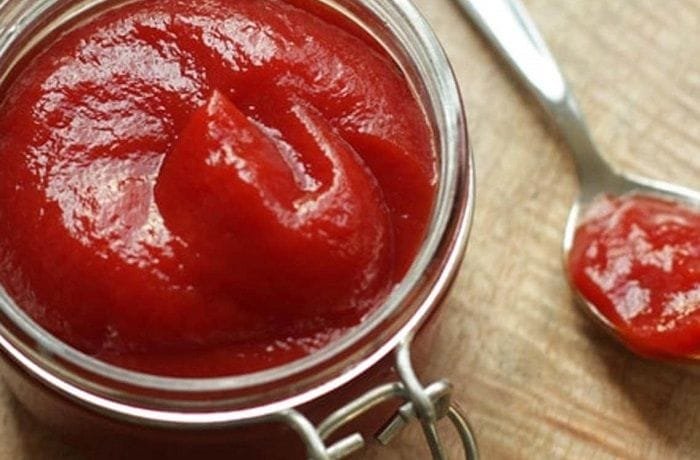
Homemade natural ketchup is made by simmering fresh tomatoes with green bell pepper, onion, and garlic, blending them with apple cider vinegar, brown sugar, paprika, dry mustard, cinnamon, clove, and pepper, and cooking the sauce down slowly until thick. It takes 20 minutes of active preparation and about 100 minutes of cooking, and makes 12 servings.
Unlike industrial ketchup, it has no additives or preservatives, and you can make it with any variety of tomato.
How to Make Homemade Ketchup?
The tomatoes, pepper, onion, and garlic are covered with water and simmered for about 40 minutes until very soft, then blended with the vinegar, sugar, and spices. The sauce goes back into the pot and cooks over the lowest heat for about an hour until thick, then it is jarred.
Nutritional Information
Each serving of homemade ketchup contains approximately 35 kcal, 1 g of protein, 0 g of fat, 0 mg of cholesterol, 8 g of carbohydrates, 7 g of sugars, 1 g of fiber, and 150 mg of sodium. These values are estimates and may vary depending on ingredients and portion sizes.
Homemade Natural Ketchup Recipe
Preparation: 20 minutes
Cooking: 100 minutes
Servings: 12
Ingredients
- 1 kg of fresh tomatoes
- 70 ml of apple cider vinegar
- 50 g (¼ cup) of brown sugar
- 1 medium onion
- 1 green bell pepper
- 1 garlic clove
- 1 teaspoon of salt
- ½ teaspoon of ají de color (Chilean paprika)
- ½ teaspoon of dry mustard
- 1 pinch of ground cinnamon
- 1 pinch of ground black pepper
- 1 pinch of ground cloves

Instructions
- Wash the tomatoes and the bell pepper well in cold water, remove the pepper seeds, and cut everything into pieces. Place them in a large nonstick pot with the quartered onion and the garlic clove, cover with water, and bring to a boil. Lower the heat and cook for about 40 minutes until very tender.
- Transfer the mixture to a blender, add the apple cider vinegar, sugar, paprika, dry mustard, cinnamon, and cloves, season with salt and pepper, and blend until smooth.
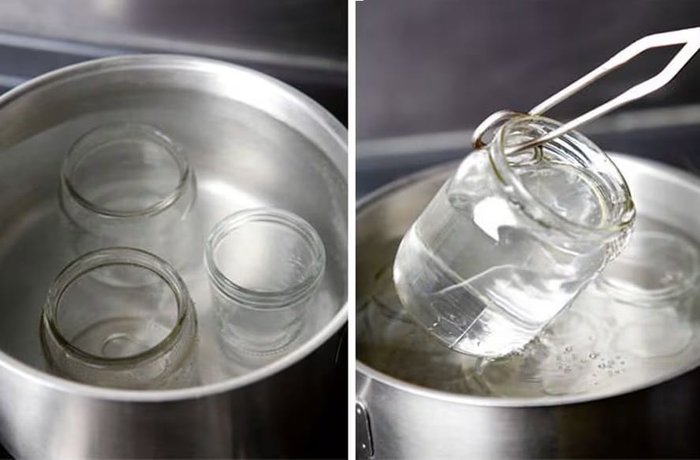
- Return the sauce to the pot and cook over the lowest heat for about 60 minutes, stirring occasionally, until it becomes a fairly thick purée. Pour immediately into sterilized glass jars and let cool upside down. Once cool, keep refrigerated and serve with sandwiches, meats, and fries.
Additional Tips
Roast for more flavor
For a thicker, more concentrated ketchup, roast the tomatoes, onion, garlic, and pepper in the oven before cooking them. It intensifies their natural sweetness and adds a smoky touch.
Process the jars
To keep it longer, process the filled jars in a boiling water bath for 20 minutes to create a vacuum seal.

Use plum tomatoes
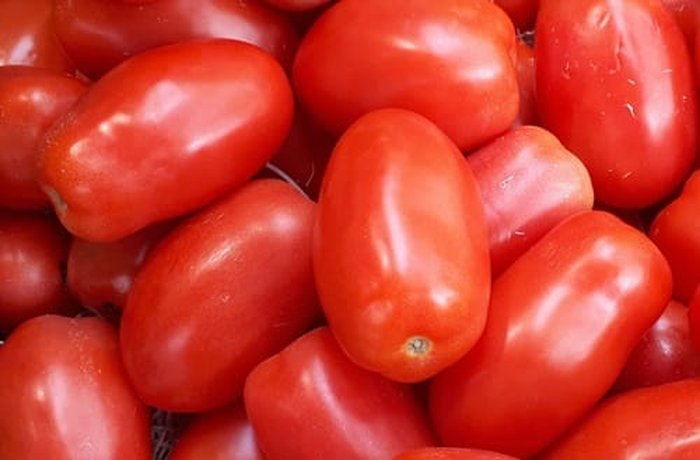
Plum or Roma tomatoes have less water and more pulp, which gives a thicker, tastier ketchup in less time.
| Original ingredient | Substitute | Ratio | Flavor note |
|---|---|---|---|
| Brown sugar | Stevia, erythritol, or dates | To taste | Less sugar |
| Apple cider vinegar | White wine vinegar | 1:1 | Sharper |
| Green bell pepper | Red bell pepper | 1:1 | Sweeter |
| Fresh tomatoes | Canned tomatoes | 1 kg | Year round, less cooking |
Frequently Asked Questions (FAQs)
1. Which tomato is best for ketchup?
Plum or Roma tomatoes are ideal for their low water and high pulp content, which gives a thicker, tastier sauce.
2. How long does it keep?
In a well sterilized, tightly closed jar, it keeps 3 to 4 weeks in the fridge. Vacuum sealed in a water bath, it keeps for several months.
3. Can I make it without sugar?
Yes, replace the brown sugar with natural sweeteners such as stevia, erythritol, or dates, although the texture and flavor will vary slightly.
4. How is homemade ketchup different from store bought?
Homemade ketchup has no additives, preservatives, or high fructose corn syrup, and it has less sodium and a fresher flavor.
What Is Ketchup?
Ketchup is a sweet and tangy spiced tomato sauce that became hugely popular in the United States with fast food, and today it is one of the most used condiments in the world, including in Chile on completos and fries.
History of Ketchup
Ketchup did not start with tomatoes. Its name is usually traced to a fermented fish sauce from southern China and Southeast Asia, and over the centuries British and American cooks turned it into the tomato sauce we know today.
Did You Know?
Tomato ketchup only became widespread in the nineteenth century, when American producers began bottling it, and recipes with vinegar and sugar made it shelf stable.
How to adapt this recipe to a vegan or vegetarian version?
How to adapt this recipe to a gluten-free version?
How to adapt this recipe to a keto (ketogenic) version?
Recommended
- Homemade Tomato Sauce Recipe
- Chilean Completo Hot Dog Recipe
- Chilean French Fries in Lard Recipe
- Homemade Teriyaki Sauce Recipe