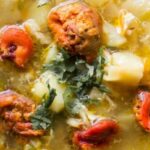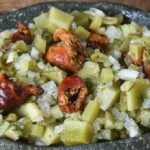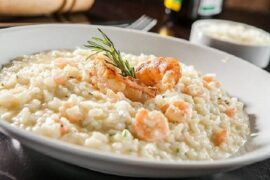

Chilean charquicán de cochayuyo is a vegetarian take on charquicán made by roasting potatoes, winter squash, and cochayuyo seaweed at 200 C (392 F), grinding the crisp seaweed, and mixing the scooped-out potato and squash with a blended sofrito of onion, garlic, celery, merkén, ají de color, oregano, and vegetable stock, plus peas, bell pepper, parsley, and cilantro, served with a fried egg. It takes 20 minutes of preparation plus 30 minutes of cooking and serves 4 people.
It is one of the best variations of the traditional stew and a good source of vitamins, folic acid, and calcium.
How to Make Cochayuyo Charquicán?
This charquicán is an excellent alternative to the classic version and a tasty way to add cochayuyo, a nutrient-rich seaweed, to everyday meals. Roasting the seaweed until crisp softens its iodine aroma before it is ground and folded in.
Nutritional Information
Each serving of cochayuyo charquicán contains approximately 280 kcal, 10 g of protein, 3 g of total fat (0.5 g of saturated fat), 0 mg of cholesterol, 55 g of carbohydrates, 5 g of sugars, and 350 mg of sodium. These values are estimates and may vary depending on ingredients and portion sizes.
Homemade Chilean Charquicán de Cochayuyo Recipe
Preparation: 20 minutes
Cooking: 30 minutes
Servings: 4 people
Ingredients
- 500 g (1.1 lb) of potatoes
- 200 g (7 oz) of winter squash
- 100 g (3.5 oz) of dried cochayuyo
- 80 g (1/2 cup) of peas
- 1 small onion
- 1 clove of garlic
- 1 vegetable stock cube
- 1 celery stalk
- 1/2 cup of chopped bell pepper
- Chopped parsley
- Chopped cilantro
- Ají de color (sweet paprika)
- Oregano
- Merkén
- Fine sea salt
- Black pepper
- Fried or poached eggs, to serve
Instructions
- Preheat the oven to 200 C (392 F) for at least 10 minutes. Spread the unpeeled potatoes and squash and the chopped cochayuyo on a baking sheet and roast until the cochayuyo is crisp. Remove the seaweed and keep roasting the potatoes and squash until cooked.
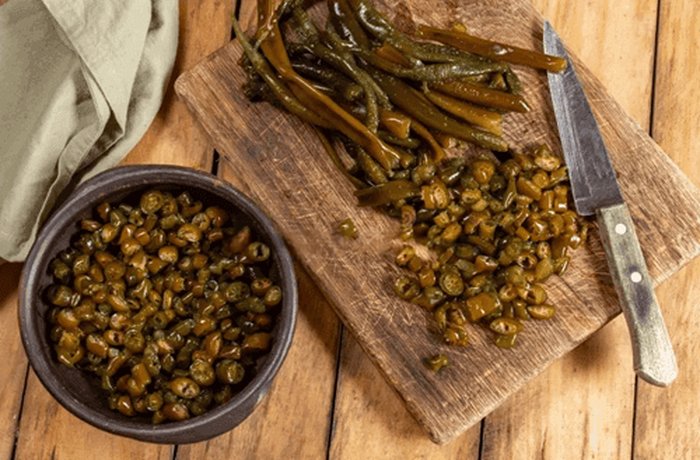
- Grind the cochayuyo in a food processor or with a hand blender into an even crumb. Separately, blend the onion, merkén, ají de color, garlic, oregano, stock cube, and celery with a little water.
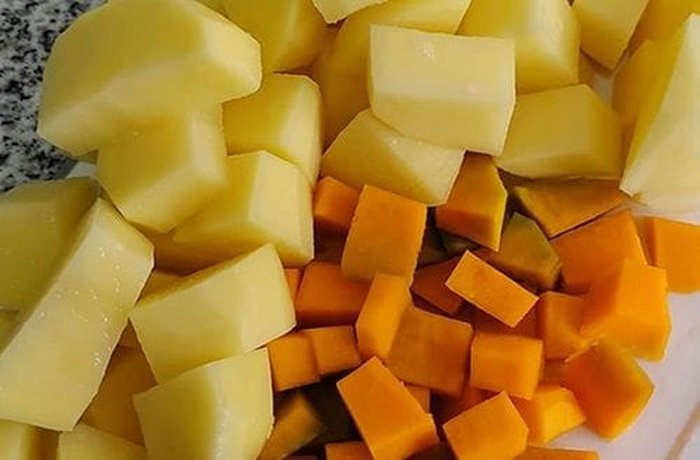
- Halve the potatoes and scoop out the flesh, do the same with the squash, and place them in a large pot. Add the blended vegetables, bell pepper, peas, parsley, cilantro, and ground cochayuyo.

- Stir with a wooden spoon and cook for a couple of minutes more. Serve with a fried or poached egg and a sprinkle of chopped cilantro.
Additional Tips
Roast the seaweed
Toasting cochayuyo in the oven removes much of its strong iodine aroma, leaving a pleasant toasted note.
Keep stock on hand
Ground cochayuyo absorbs a lot of liquid; add hot vegetable stock little by little if the mix gets too dry.
Top with an egg
The runny yolk works like a sauce that ties together the sea and garden flavors.
| Original ingredient | Substitute | Ratio | Flavor note |
|---|---|---|---|
| Dried cochayuyo | Fresh cochayuyo, boiled with vinegar | 1:1 | Softer, milder |
| Winter squash | Butternut squash | 1:1 | Sweeter |
| Fried egg | Poached egg | 1 per plate | Lighter |
| Peas | Corn kernels | 1:1 | Sweeter |
Frequently Asked Questions (FAQs)
1. How do I soften the smell of cochayuyo?
Toast it in the oven first; the heat drives off much of the strong iodine aroma.
2. Do I need to soak the cochayuyo?
No. In this recipe it is used dry and toasted, which makes it easy to grind finely.
3. What if my charquicán is too dry?
Add hot vegetable stock little by little at the end until it is neither soup nor dry mash.
4. Why serve it with an egg?
It is traditional, and the yolk adds creaminess and extra protein.
What Is Charquicán de Cochayuyo?
Charquicán de cochayuyo is a Chilean vegetable and seaweed mash, a meat-free version of the classic charquicán using cochayuyo, the edible bull kelp of the Chilean coast.
Benefits of Cochayuyo
Cochayuyo is very low in fat and rich in fiber, iodine, calcium, and other minerals, which is why it is valued in healthy Chilean cooking.
Did You Know?
The word cochayuyo comes from Quechua, combining words for lake or sea and vegetable, a sea plant found along almost the entire Chilean coast.
How to adapt this recipe to a vegan or vegetarian version?
How to adapt this recipe to a gluten-free version?
How to adapt this recipe to a keto (ketogenic) version?
Recommended
- Authentic Chilean Charquicán
- Chilean Jack Mackerel Charquicán
- Chilean Dried Hake Charquicán
- Chilean Cochayuyo Crackers