Chilean charquican de pesca seca is a coastal version of charquican in which mashed potatoes and squash are mixed with shredded salt dried hake sauteed with onion and garlic, and finished with cilantro. It takes 30 minutes of preparation plus 30 minutes of cooking and serves 4 people.
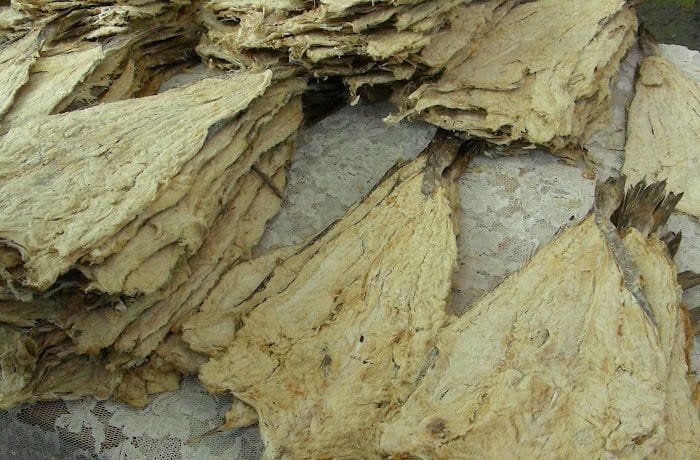
Pescada seca, or simply pesca seca, is an old way of preserving fish such as hake, conger eel, corvina, and tope shark by salting them and drying them in the sun for several days, so they could be stored and eaten through the winter.
How to Make Chilean Charquican de Pesca Seca?
This charquican is usually made with dried hake, called pescada, which you can prepare yourself ahead of time or buy ready at a local market. The fish is soaked, shredded, and sauteed into a pino with onion and garlic, then folded into mashed potatoes and squash.
Nutritional Information
Each serving of charquican de pesca seca contains approximately 360 kcal, 25 g of protein, 8 g of total fat (1 g of saturated fat), 0 mg of cholesterol, 60 g of carbohydrates, 2 g of sugars, and 500 mg of sodium. These values are estimates and may vary depending on ingredients and portion sizes.
Homemade Chilean Charquican de Pesca Seca Recipe
Preparation: 30 minutes
Cooking: 30 minutes
Servings: 4 people
Ingredients
- 2 dried hake
- 1.5 kg (3.3 lb) of potatoes
- 500 g (1.1 lb) of squash
- 1 onion
- 2 garlic cloves
- 2 tablespoons of oil
- Parsley
- Cilantro
- Fine sea salt
Instructions
- In a wide, shallow dish, soak the dried hake in hot water to loosen the skin from the flesh, then shred it into small strips and set aside. Chop the garlic, onion, and parsley, add a splash of oil to a medium frying pan, and saute for 5 to 8 minutes until the onion turns translucent.
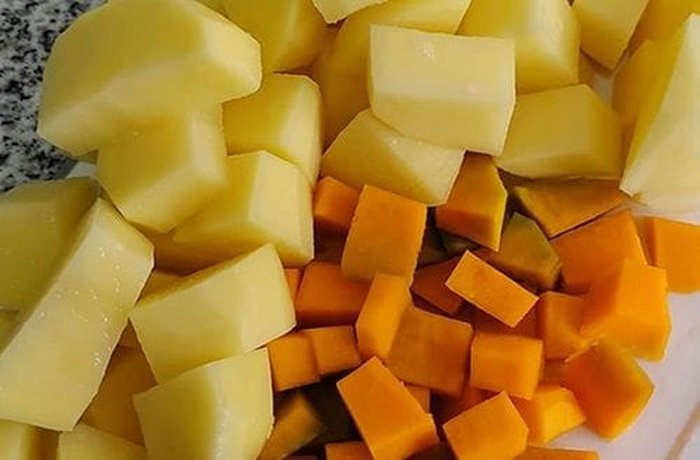
- Add the shredded fish and stir gently, cooking for about 5 more minutes. In a large pot, add the potatoes and squash, cover them with water, and cook over medium high heat for about 15 minutes, until soft but not falling apart. Drain, reserving one cup of the cooking water.

- Mash the potatoes and squash with a masher and add the onion and fish pino, mixing everything with a wooden spoon until combined and adjusting the texture with the reserved cooking water. Serve the charquican hot in a shallow plate, topped with chopped cilantro to taste.
Additional Tips
Taste before salting
Dried hake is preserved with salt, and some of it stays in the flesh even after soaking. Taste the finished charquican before adding any extra salt.
Keep some texture
Traditional charquican is mashed coarsely, not pureed. Small pieces of squash and potato give it a rustic texture that holds the fish better.
Use the cooking water
The reserved water carries the flavor of the squash. Add it little by little until the charquican is creamy but still thick enough to hold its shape on the plate.
| Original ingredient | Substitute | Ratio | Flavor note |
|---|---|---|---|
| Dried hake | Salt cod (bacalao) | 1:1 | Firmer, similar saltiness |
| Dried hake | Fresh hake fillets | 1:1.5 by weight | Milder, less intense |
| Squash | Butternut squash | 1:1 | Sweeter |
| Cilantro | Parsley | 1:1 | Less aromatic |
Frequently Asked Questions (FAQs)
1. How long should the dried hake soak?
Soak the dried hake in hot water for at least 30 minutes, changing the water once if it is very salty. This rehydrates the flesh and makes it easier to remove the skin and bones before shredding.
2. What goes well with charquican de pesca seca?
It is usually served on its own, but you can add a Chilean tomato and onion salad, pan amasado, or a fried egg on top for a heartier version, as is common in southern Chile.
3. Can charquican be frozen?
Yes, it keeps for up to 2 months frozen in an airtight container. Reheat it over low heat with a splash of water to bring back its texture.
4. Can I use fresh hake instead of dried?
Yes. Poach or pan cook fresh hake fillets, flake them, and season with a little more salt. The result is milder, without the concentrated sea flavor of pesca seca.
What Is Pesca Seca?
Pesca seca, short for pescada seca, is fish that has been salted and dried in the sun. In Chile the most common is hake, which locals call pescada, and it was once a pantry staple in coastal towns, eaten in winter and during Lent in dishes such as charquican and fish pies.
History of Charquican in Chile
Charquican takes its name from charqui, the dried meat of Andean tradition, and began as a stew of dried meat with potatoes and squash. Coastal communities made their own version with dried fish instead of charqui, keeping the same method and the same humble ingredients.
Did You Know?
Common hake (Merluccius gayi gayi), popularly known in Chile as pescada, lives in deep waters off the Chilean coast between the Coquimbo and Los Lagos regions and can live for up to 15 years.
How to adapt this recipe to a vegan or vegetarian version?
How to adapt this recipe to a gluten-free version?
How to adapt this recipe to a keto (ketogenic) version?
Recommended
- Chilean Hake Scrambled Eggs with Merken Recipe
- Chilean Beer Battered Hake Recipe
- Chilean Potatoes with Chuchoca Recipe
- Chilean Jack Mackerel Caldillo Recipe