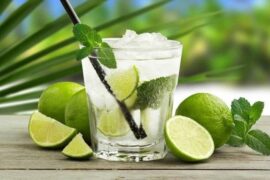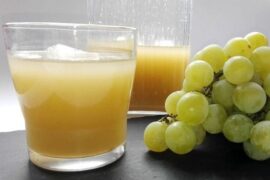
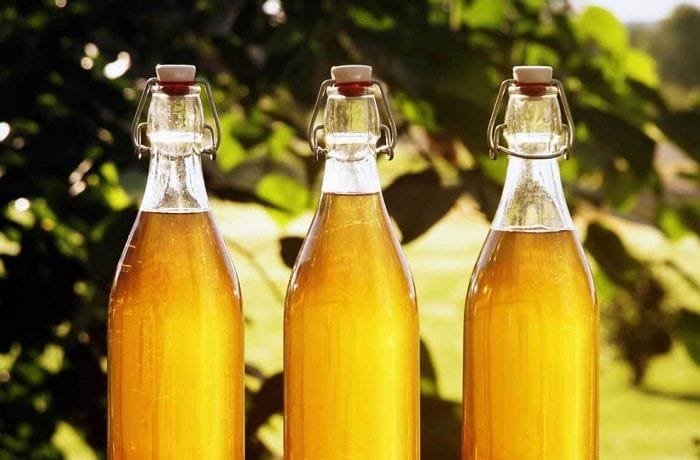
Chilean chicha de cera de abeja is a traditional drink made by boiling the honey soaked wax cappings left over from the honey harvest in water with grape vine leaves until the liquid reduces by half. It takes 45 minutes of preparation plus 2 hours of cooking and serves 10 people.
It was traditionally prepared after the honey harvest in southern Chile, and it has long been made for family consumption by the Pehuenche people and rural families of the Alto Biobio area.
How to Make Chilean Beeswax Chicha?
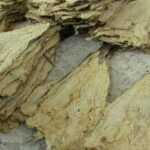
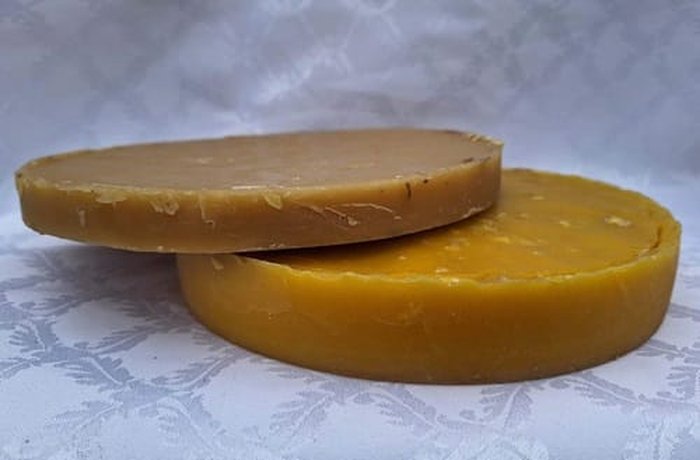
During the honey harvest, before the frames go into the extractor, beekeepers uncap them, cutting off with a knife the wax lids that seal the honey filled cells. These cappings are left to drain and then used as the raw material for the chicha, which draws its sweetness from the honey still clinging to the wax.
Nutritional Information
Each serving of beeswax chicha contains approximately 80 kcal, 0 g of protein, 0 g of fat, 0 mg of cholesterol, 20 g of carbohydrates, 20 g of sugars, and 0 mg of sodium. These values are estimates and may vary depending on ingredients and portion sizes.
Homemade Chilean Chicha de Cera de Abeja Recipe
Preparation: 45 minutes
Cooking: 2 hours
Servings: 10 people
Ingredients
- 2 kg (4.4 lb) of beeswax cappings
- 10 liters (2.6 gallons) of water
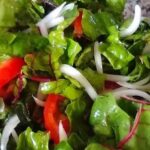
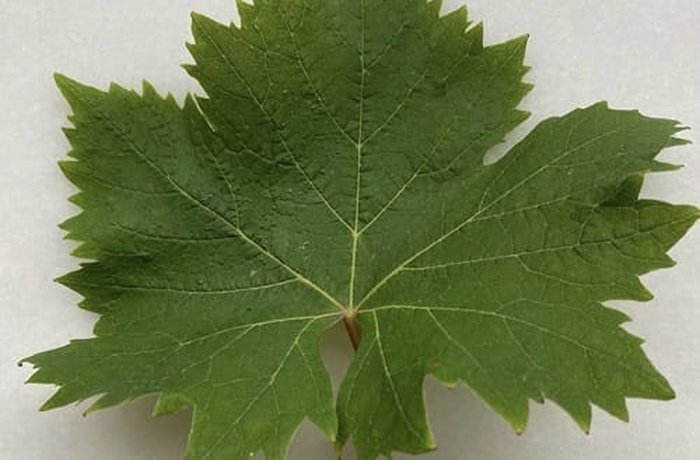
- 250 g (8.8 oz) of grape vine leaves

Instructions
- In a large, deep pot, add the 10 liters of water and the 2 kg of wax cappings. Heat over high heat, stirring for about 5 minutes until the cappings melt and release their honey, and bring to a boil.
- Add the well washed grape vine leaves (or lemon balm or culen leaves) and keep the mixture boiling for about 2 hours, or until it reduces to about 5 liters. Take it off the heat and let it cool.
- Drink the beeswax chicha cold, ideally within 48 hours of making it, and always keep it refrigerated.
Additional Tips
Skim the foam
Foam is normal during boiling. Skim it off regularly with a slotted spoon to remove impurities and wax proteins that coagulate with the heat.
Reduce by half
The 2 hours of boiling are essential to concentrate the flavors. Make sure the initial 10 liters reduce to roughly 5 liters before you take the pot off the heat.
Strain before chilling
Pass the cooled chicha through a fine cloth to catch the leaves and any bits of wax. The wax that hardens on the surface as it cools can be lifted off and reused.
| Original ingredient | Substitute | Ratio | Flavor note |
|---|---|---|---|
| Grape vine leaves | Lemon balm (toronjil) | 1:1 | Citrusy, fresh |
| Grape vine leaves | Culen leaves | 1:1 | Herbal, slightly bitter |
| Grape vine leaves | Lemon verbena (cedron) | 250 g : 100 g | Strongly lemony |
| Extra sweetness | Liquid honey | To taste, once cool | Keeps the natural profile |
Frequently Asked Questions (FAQs)
1. Can I replace the grape vine leaves?
Yes. Traditionally lemon balm (toronjil) or culen leaves were used, and boldo or lemon verbena leaves also work, each adding a different aromatic note.
2. Why should it be drunk within 2 days?
It has no preservatives and is rich in natural sugars from the honey, so it ferments quickly. After 2 days it can develop unwanted alcohol or vinegar flavors.
3. How do I know the wax is in good condition?
It should smell sweet, of honey, with no rancid odors. Avoid wax that is very dark or shows unusual crystallization, which are signs of deterioration.
4. Can I sweeten it more if it is not sweet enough?
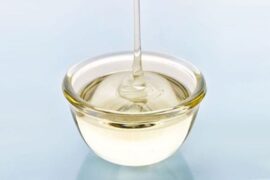
Add liquid honey once it has cooled rather than sugar. It keeps the natural flavor profile of the drink.
5. Is it normal for it to foam while boiling?
Yes. Skim the foam off regularly with a slotted spoon; it is made of impurities and proteins from the wax that coagulate with the heat.
What Is Chicha de Cera?
Chicha de cera is a sweet, amber drink made from the wax cappings of the honeycomb rather than from fruit or grain like most Chilean chichas. It is a way of using every part of the harvest, recovering the honey that stays trapped in the wax after uncapping.
Other Uses of Beeswax
Beeswax is also widely used to protect wooden surfaces, an ancient technique still used in crafts and wooden toys. It is valued in homemade cosmetics as well, for its moisturizing properties and its role as an emulsifier that gives body to creams and balms.
Did You Know?
In the past this drink was called pajarete, but it should not be confused with the sweet grape wine of the same name produced in Andalusia, Spain, and in northern Chile.
How to adapt this recipe to a vegan or vegetarian version?
How to adapt this recipe to a gluten-free version?
How to adapt this recipe to a keto (ketogenic) version?
Recommended
- Chilean Mapuche Pea Muday Recipe
- Chilean Traditional Apple Chicha Recipe
- Chilean Maqui Chicha Recipe
- Pajarete Cocktail Recipe