
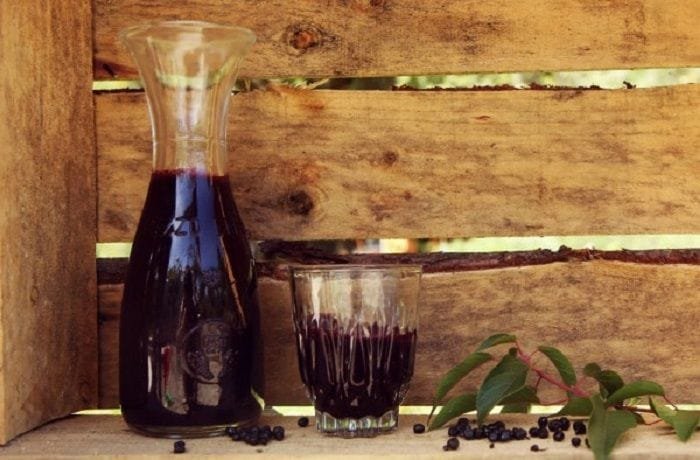
Chilean chicha de maqui, also called treco, trecu, or tecu, is a traditional Mapuche drink made by crushing and pressing maqui berries and leaving the juice to ferment naturally. It takes about 15 days of fermentation, or it can be drunk fresh, and it serves 12 people.
It was widely consumed by the Mapuche people in southern Chile, and it gives a refreshing, astringent, deep purple drink rich in antioxidants.
How to Make Chilean Maqui Chicha?
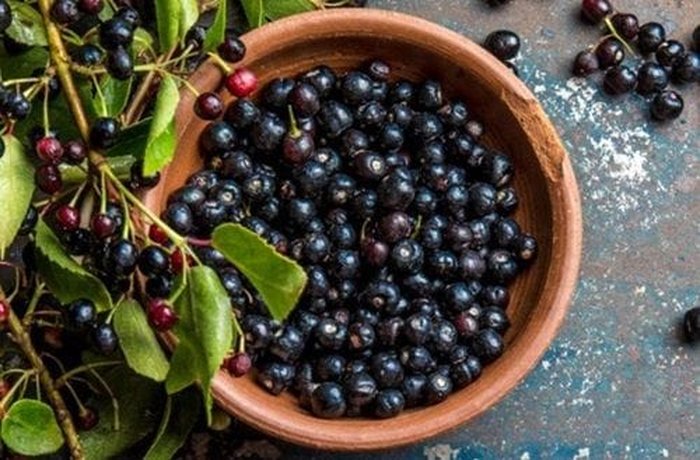
Maqui chicha is made from freshly harvested maqui, or from maqui dried in the sun for about 15 days. The berries are crushed without breaking the seeds, squeezed through a clean cloth, and the juice is left to ferment in a clay vessel, although it can also be enjoyed immediately as a fresh juice.
Nutritional Information
Each serving of maqui chicha contains approximately 50 kcal, 1 g of protein, 0 g of total fat, 12 g of carbohydrates, 10 g of sugars, and 5 mg of sodium. These values are estimates and may vary depending on ingredients and portion sizes.
Homemade Chilean Chicha de Maqui Recipe
Preparation: 15 days (fermentation)
Servings: 12 people
Ingredients
Fresh maqui version
- 5 kg (11 lb) of fresh maqui berries
Dried maqui version
- 1 cup of dried maqui berries
- 1 liter (34 fl oz) of warm purified water
- Honey or toasted flour (optional)

Instructions
- For the fresh maqui version, clean the berries by removing any leaves or twigs, crush them on a grinding stone, trying not to break the seeds, and then squeeze the pulp through a clean cloth, ideally over a clean clay container. Cover and keep in a cool, dark place for about 15 to 20 days to ferment, although it can also be drunk right away.
- If you are using dried maqui, soak it in 1 liter of warm purified water for about 12 hours, strain the mixture, and pour it into a clay chuico. Drink it immediately or store it so it ferments naturally, optionally mixed with honey as a sweetener or with toasted flour.
Additional Tips
Keep the seeds whole
Crush the berries gently so the seeds stay intact. Broken seeds make the chicha bitter and cloudy, while whole seeds are easy to strain out with the pulp.
Ferment somewhere cool and dark
A steady cool temperature keeps fermentation slow and clean. Warm places speed it up and can turn the chicha sour before it develops its flavor.
Use clay or glass
Traditionally the juice rests in clay vessels. Glass is a good alternative at home, but avoid metal containers, which can react with the acidity of the fruit.
| Original ingredient | Substitute | Ratio | Flavor note |
|---|---|---|---|
| Fresh maqui | Dried maqui soaked in water | 1 cup per liter | Lighter, less fruity |
| Clay chuico | Glass jar | 1:1 | No earthy note |
| Honey | Toasted flour | 1 tbsp per glass | Thicker, nuttier |
| Maqui | Blueberries | 1:1 | Sweeter, less astringent |
Frequently Asked Questions (FAQs)
1. Does chicha de maqui contain alcohol?
Freshly pressed, it is a non alcoholic juice. Left to ferment for 15 to 20 days in a cool, dark place, it develops a light natural alcohol content, like other traditional chichas.
2. Can I make it with dried maqui?
Yes. Soak one cup of dried maqui in one liter of warm purified water for about 12 hours, strain it, and drink it right away or let it ferment.
3. Why should the seeds not be crushed?
Crushed seeds add bitterness and a woody taste. Mashing the berries gently releases the juice and pulp while leaving the seeds whole.
4. How can I sweeten it?
The traditional options are honey or a spoonful of toasted flour stirred in before drinking, which soften the natural astringency of the maqui.
What Is Maqui?
Maqui (Aristotelia chilensis) is a small dark purple berry from the native forests of central and southern Chile. It is considered one of the fruits with the highest antioxidant content, rich in polyphenols and vitamin C, and it has anti inflammatory properties. After pressing, the seeds and pulp were traditionally fed to backyard poultry.
History of Maqui Chicha in Chile
For the Mapuche, maqui was both food and medicine, and treco was prepared during the summer harvest and shared at community gatherings. Its preparation in clay vessels and the use of toasted flour or honey as sweeteners have been passed down in rural families of the Araucania and Los Rios regions.
Did You Know?
Maqui ripens during the southern summer, roughly between December and February, which is why treco was traditionally a summer drink. Outside that season it is made from berries dried in the sun, the same dried maqui now sold as a powder around the world.
How to adapt this recipe to a vegan or vegetarian version?
How to adapt this recipe to a gluten-free version?
How to adapt this recipe to a keto (ketogenic) version?
Recommended
- Chilean Maqui Coffee Recipe
- Chilean Maqui Berry Liqueur Recipe
- Chilean Mapuche Rosehip Chicha Recipe
- Chilean Guanaca Recipe