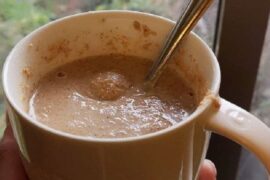
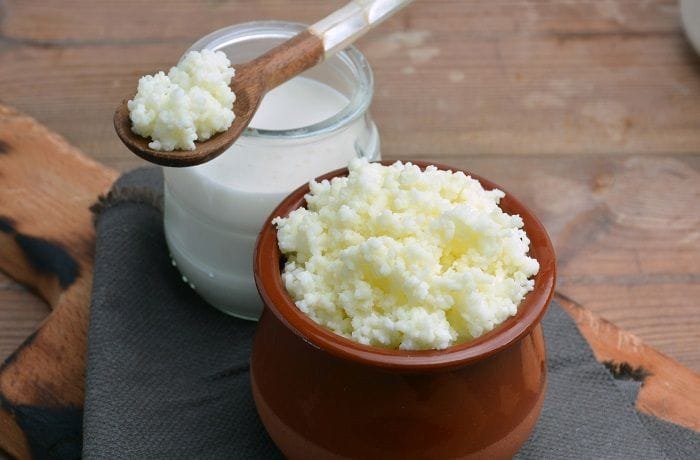
Yogurt de pajaritos is the Chilean name for milk kefir, a fermented dairy drink made by combining kefir grains with whole milk and letting it ferment at room temperature for 24 to 48 hours. No cooking or heat is required — the result is a tangy, probiotic-rich yogurt that grows thicker and smoother the more active the grains are.
Milk kefir is a live culture of probiotic bacteria and yeasts held together in a polysaccharide matrix called kefiran, and it has been used across Eastern Europe and the Caucasus for centuries as a natural way to preserve milk and support gut health.
How to Make Chilean Milk Kefir (Yogurt de Pajaritos)?
Kefir grains are a symbiotic biotic mass that combines probiotic bacteria, yeasts, lipids, and proteins, wrapped in a polysaccharide matrix called kefiran. The active grains do all the fermenting work — you just need patience and clean glass jars.
Nutritional Information
Each serving of milk kefir yogurt contains approximately 50 kcal, 6 g of carbohydrates, 2 g of fat, 3 g of protein, 0 g of fiber, 4 g of sugars, 10 mg of cholesterol, and 50 mg of sodium. These values are estimates and may vary depending on ingredients and portion sizes.
Homemade Chilean Milk Kefir Recipe
Preparation: 48 hours
Servings: 6 people
Ingredients
- Milk kefir grains
- 1 liter of milk
- Sugar or honey
- 2 peaches
- 10 strawberries

Instructions
- Place the kefir grains in a glass jar, add the milk, and cover the container with a clean kitchen cloth. Let it rest at room temperature in a dark place for 24 hours to ferment. Uncover the jar, stir the kefir gently with a wooden spoon, transfer the grains to a clean jar, and repeat the process to start a new batch.
- Stir the contents of the first jar with soft, circular movements, then strain into a clean glass jar. Cover with a cloth and let it rest at room temperature until it reaches the desired consistency. Chill the finished kefir yogurt and optionally sweeten it with sugar, a natural sweetener, or seasonal fruit to taste.
Additional Tips
How do I know if my kefir grains are active?
Active grains are white or pale yellow, with a cauliflower-like texture, and they float in the milk after 24 hours of fermentation. If the grains sink, turn brown, or smell like rotten cheese, they are damaged and need to be reactivated with several changes of fresh milk on consecutive days before you consume the yogurt.
Why does room temperature affect the result?
The ideal fermentation temperature is between 20 and 25°C (68-77°F). In winter, fermentation can take up to 48 hours; in summer, it can finish in 12. If the yogurt turns out too sour, the room is too warm — move the jar somewhere cooler or shorten the fermentation time.
How do I get a thicker kefir yogurt?
For a thicker yogurt, use whole milk instead of skim, let it ferment 6 extra hours beyond the usual time, or strain the finished yogurt through a clean cloth for 4-8 hours in the refrigerator. This last technique produces a consistency similar to Greek yogurt.
| Temperature | Fermentation time | Expected result | Recommended adjustment |
|---|---|---|---|
| 18-20°C / 64-68°F (winter) | 36-48 h | Mild, low acidity, thinner | Allow extra time; use a warm spot in the house |
| 20-25°C / 68-77°F (ideal) | 24-36 h | Balanced, creamy, moderately tangy | Optimal condition; no adjustment needed |
| 25-28°C / 77-82°F (summer) | 12-24 h | More tangy and thinner | Check at 12 h; strain if a thicker texture is desired |
Frequently Asked Questions (FAQs)
1. How do I grow milk kefir grains at home?
An easy way to start your own kefir grains (called “pajaritos” in Chile) is to let a liter of whole milk sit in a previously boiled glass jar, cover it with cheesecloth held by a rubber band, and rest it for 3 days in a dark, dry place. After 3 days, the milk will have curdled, and straining it will reveal cauliflower-like lumps. Rinse them well in purified water and continue with the recipe above.
2. Can I use lactose-free or plant-based milk (almond/soy)?
You can use lactose-free milk and the process will work fine. However, the grains feed mainly on lactose, so their growth may be limited. Plant-based milks (almond, coconut, soy) are not recommended on a permanent basis, since milk kefir grains need lactose to survive.
3. What should I do if my kefir grains stop growing?
Lack of growth can be caused by too low a temperature, contamination, or too little milk (the grains need food to thrive). Make sure to change the milk every 24-48 hours and keep the temperature stable.
4. Can kefir be made with powdered or condensed milk?
No. You should use fresh pasteurized milk (whole milk is best) or UHT milk. Condensed or powdered milk does not provide the right nutritional environment and can damage or contaminate the kefir culture.
5. Why does my kefir yogurt taste too sour or bitter?
A very sour flavor indicates overfermentation, meaning it fermented for too long. The solution is to shorten the fermentation time (try 18-20 hours) or use a larger amount of milk for the same amount of grains.
What Is Milk Kefir?
Milk kefir is a fermented dairy product made by combining live kefir grains — a symbiotic culture of bacteria and yeasts — with milk, producing a tangy, drinkable yogurt rich in probiotics, calcium, and protein. In Chile it is affectionately known as “pajaritos” because the grains resemble small clusters that grow and multiply on their own.
History of Milk Kefir in Chile
Milk kefir originated in the Caucasus mountains, where shepherds discovered that milk carried in leather pouches would ferment naturally into a tangy, effervescent drink. The tradition of sharing kefir grains between households — never buying or selling them — spread across Eastern Europe and eventually reached Chile through European immigration, where home fermenters have passed down “pajaritos” from neighbor to neighbor for generations.

Did You Know?
The main microorganisms that make up this microbial ecosystem are the bacteria Lactobacillus acidophilus and the yeast Kluyveromyces marxianus, although these can vary depending on the region and cultivation method.
How to adapt this recipe to a vegan or vegetarian version?
How to adapt this recipe to a gluten-free version?
How to adapt this recipe to a keto (ketogenic) version?
Recommended
- Chilean Homemade Manjarate Recipe
- Chilean Hallullas Bread Recipe
- Chilean Crumb Kuchen Recipe
- Chilean Fanschop Cocktail Recipe