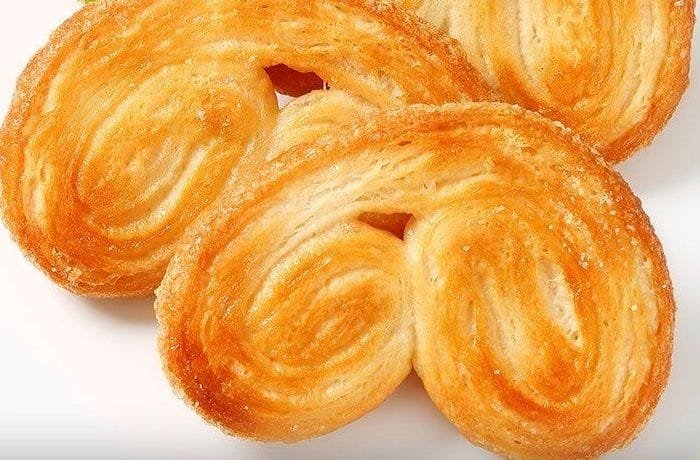
Chilean palmeritas are crisp, caramelized palmier cookies made from homemade puff pastry, laminated with butter through several folds, rolled out over sugar, folded toward the center into a roll, sliced, and baked until golden. They take about 16 hours of preparation, most of it resting in the fridge, and about 20 minutes in the oven, and serve 6.
They are a classic of Chilean beaches and bakeries, and although homemade puff pastry is laborious, the result is something you will want to share with everyone.
How to Make Puff Pastry Palmeritas?
The key is to respect the cold rests, which let the starches hydrate, the dough relax, and the butter layers stay separate. A simple flour and water dough is folded around butter, rolled and folded several times with rests in between, chilled overnight, then rolled over sugar, folded into a double roll, sliced, and baked.
Nutritional Information
Each serving of palmeritas contains approximately 680 kcal, 5 g of protein, 48 g of fat, 120 mg of cholesterol, 54 g of carbohydrates, 22 g of sugars, 2 g of fiber, and 390 mg of sodium. These values are estimates and may vary depending on ingredients and portion sizes.
Homemade Chilean Palmeritas Recipe
Preparation: 16 hours (including resting)
Cooking: 20 minutes
Servings: 6
Ingredients
- 500 g (4 cups) of all purpose flour
- 500 g (2¼ cups) of butter
- 200 g (1 cup) of sugar
- 200 ml (¾ cup plus 1 tablespoon) of cold water
- ½ teaspoon of salt
Instructions
- Sift the flour into a large bowl, make a well in the center, and sprinkle the salt around the edges. Pour in the cold water and mix with your fingertips until a firm dough forms. Cut the butter into medium cubes and leave it at room temperature until pliable but still firm.
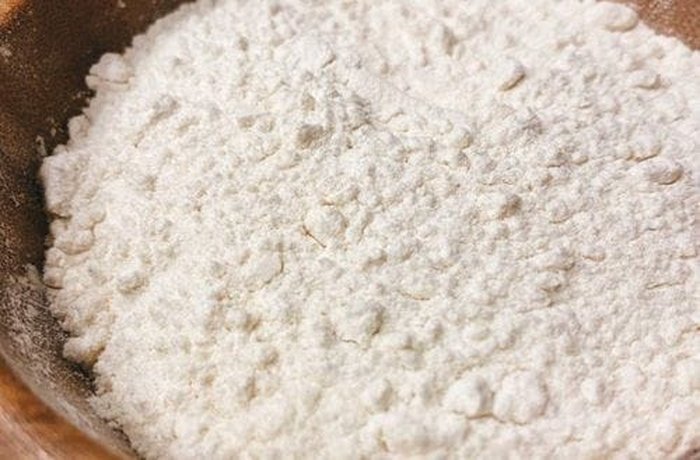
- Turn the dough out onto a smooth floured surface, roll it out, place two or three pieces of butter in the center, and wrap the dough around them to cover completely. Roll out again, adding flour to the surface, and repeat until all the butter is incorporated. Refrigerate the dough covered with plastic wrap for about 30 minutes.
- Roll the dough into a rectangle, fold both sides toward the center, and refrigerate for 30 minutes. Roll and fold twice more, chilling for 30 minutes each time, to build the layers of puff pastry, and after the last fold chill for 12 hours.
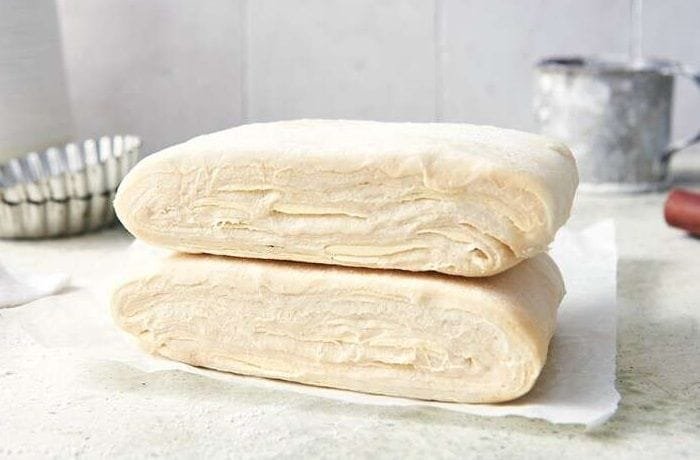
- Roll the dough to about 4 mm thick and cut a square of about 40 x 40 cm, freezing any leftover dough. Sprinkle the work surface with sugar, lay the dough on it, and press gently with the rolling pin so the sugar sticks. Sprinkle more sugar on top and press again.
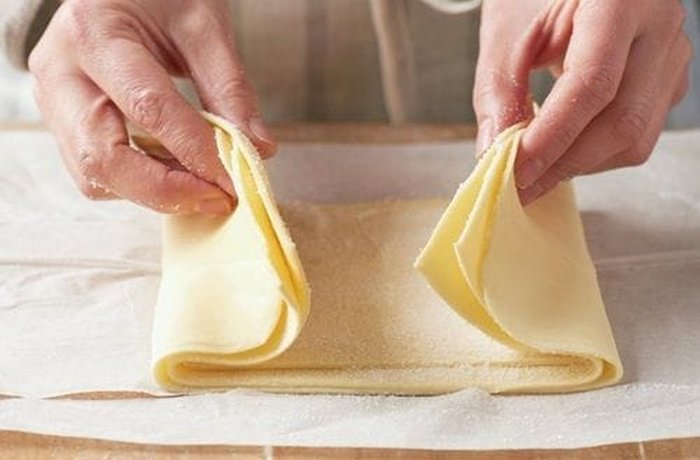
- Mark a line down the middle of the dough. Fold both edges toward the center, press gently with the rolling pin, fold toward the center a second time, and close with a final fold into a roll. Cut the roll into slices 1 to 1½ cm wide.
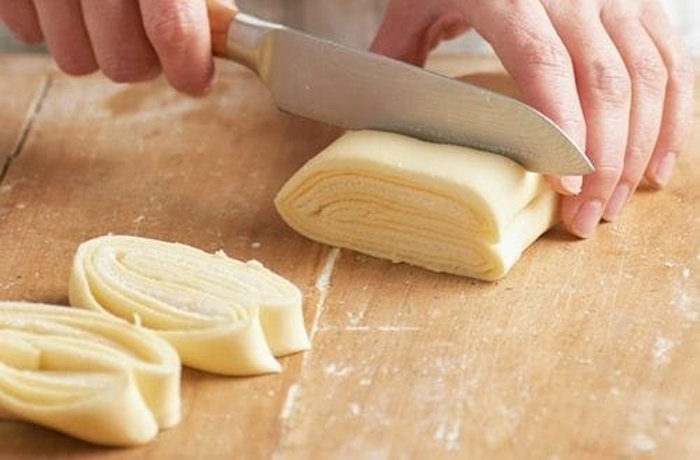
- Arrange them on a parchment lined baking sheet about 10 cm apart, opening the ends of each fold slightly. Bake in an oven preheated to 200°C (392°F) with top and bottom heat for about 15 minutes, until golden, then turn them and bake for 5 more minutes to even the color. Let cool completely before serving.
Additional Tips
Respect every cold rest
Do not shorten the resting times. They keep the butter in separate layers and create the flaky, thousand leaves effect of puff pastry.
Use sugar on both sides
Sprinkle granulated sugar under and over the dough before folding, and press it in with the rolling pin so it sticks and caramelizes evenly.
Freeze them unbaked
Freeze the shaped, sliced palmeritas on a tray for 2 hours, then bag them for up to 3 months. Bake from frozen, adding 3 to 5 minutes.
| Original ingredient | Substitute | Ratio | Flavor note |
|---|---|---|---|
| Homemade puff pastry | Store bought puff pastry | 500 g | Saves about 16 hours |
| Granulated sugar | Sugar with cinnamon | 1 teaspoon cinnamon per 200 g | Warmer, spiced |
| Plain palmeritas | Dipped in chocolate | Half of each cookie | More indulgent |
| Butter | Puff pastry margarine | 1:1 | Easier to laminate, less flavor |
Frequently Asked Questions (FAQs)
1. Can I use butter straight from the fridge?
No. The butter should be at room temperature but still firm, not melted. Too cold and it breaks when you roll the dough, too soft and it blends into the flour, losing the layers.
2. What if the dough tears while rolling?
Dust the tear with a little flour, press gently to close it, and keep going. If it tears a lot, refrigerate the dough for 30 minutes and continue when firmer.
3. Why aren’t my palmeritas crisp?
It may be too little butter incorporated, not enough cold resting, the wrong oven temperature, or high humidity.
4. Can I make the puff pastry ahead?
Yes, it keeps up to 3 days in the fridge or 3 months in the freezer. Thaw it in the fridge overnight and let it sit at room temperature for 15 minutes before rolling.
What Are Palmeritas?
Palmeritas are the Chilean name for palmiers, also called elephant ears, crisp cookies of caramelized puff pastry shaped like palm leaves or hearts. In Chile they are sold by vendors on the beach and in every bakery.
History of Puff Pastry
A popular legend credits puff pastry to a French apprentice baker named Claude Gellée in the seventeenth century, who supposedly invented it while baking for his sick father. Layered doughs, however, are much older and were known in the Mediterranean long before.
Did You Know?
The same legend says Claude Gellée later worked in Paris and in Florence, where the recipe was refined, and that he eventually left baking to become the famous landscape painter known as Claude Lorrain.
How to adapt this recipe to a vegan or vegetarian version?
How to adapt this recipe to a gluten-free version?
How to adapt this recipe to a keto (ketogenic) version?
Recommended
- Chilean Cream Puffs Recipe
- Chilean Cachitos Pastry Horns Recipe
- Chilean Princes Cookies Recipe
- Chilean Galletas Delicias Recipe