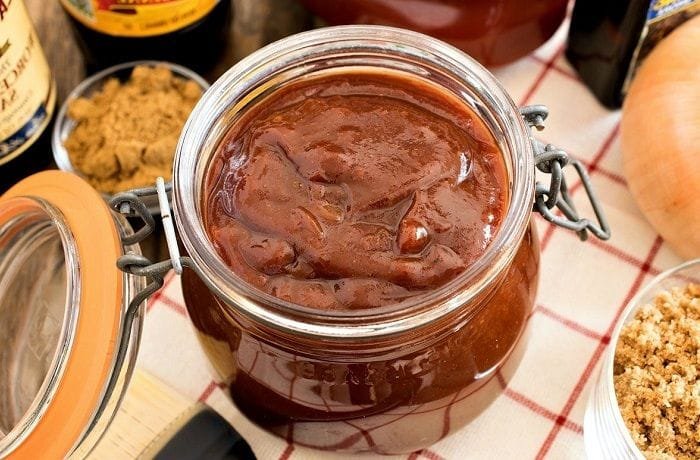
Homemade barbecue sauce is ketchup simmered with apple cider vinegar and brown sugar, seasoned with paprika, cumin, cinnamon, salt, and optional cayenne and liquid smoke, cooked until thick and glossy. It takes 10 minutes of preparation and about 15 minutes of cooking, and serves 6.
Born in the United States and loved worldwide, it is a classic partner for pork, beef, and chicken.
How to Make Barbecue Sauce?
It is a simple, inexpensive recipe with easy to find ingredients and a gentle simmer that brings the flavors together. The ketchup, vinegar, and sugar are dissolved over low heat, the spices are stirred in, and the sauce boils for about 15 minutes until thick.
Nutritional Information
Each serving of barbecue sauce contains approximately 80 kcal, 0 g of protein, 0 g of fat, 0 mg of cholesterol, 18 g of carbohydrates, 16 g of sugars, 0 g of fiber, and 300 mg of sodium. These values are estimates and may vary depending on ingredients and portion sizes.
Homemade Barbecue Sauce Recipe
Preparation: 10 minutes
Cooking: 15 minutes
Servings: 6
Ingredients
- 250 g (1 cup) of ketchup
- 60 ml (¼ cup) of apple cider vinegar
- 15 g (1 tablespoon) of brown sugar
- ½ teaspoon of ají de color (Chilean paprika)
- ½ teaspoon of ground cumin
- ⅛ teaspoon of ground cinnamon
- ⅛ teaspoon of cayenne
- Liquid smoke (optional)
- Fine salt

Instructions
- In a medium nonstick pot, combine the ketchup, apple cider vinegar, and sugar, heat over low heat, and stir with a wooden spoon until dissolved. Add the paprika, cumin, cinnamon, and a pinch of salt and, if you like, the cayenne and a touch of liquid smoke. Stir gently.
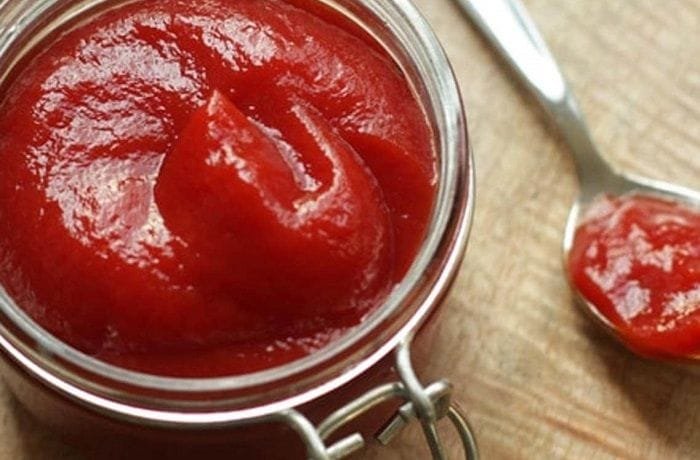
- Raise the heat, bring to a boil, and cook for about 15 minutes without letting it dry out, adding a little filtered water if needed to reach the texture you want. Store in sterilized jars and keep refrigerated until serving.
Additional Tips
Use apple cider vinegar
White wine vinegar works, but apple cider vinegar gives a rounder, more characteristic sweet and sour flavor.
Cook it until glossy
Keep simmering until the sauce thickens and darkens, tasting until the flavors are balanced.
Add a final shine
Stir in a teaspoon of cold butter or oil off the heat at the end for a glossy, silky finish.
| Original ingredient | Substitute | Ratio | Flavor note |
|---|---|---|---|
| Ketchup | Tomato purée + more sugar | 250 g + 1 tablespoon | Takes almost an hour to reduce |
| Brown sugar | Honey or molasses | 1 tablespoon | Deeper, stickier |
| Liquid smoke | Smoked paprika | ½ teaspoon | Smoky without additives |
| Cayenne | Merkén | A pinch | Smoky Chilean heat |
Frequently Asked Questions (FAQs)
1. How long does barbecue sauce keep?
Refrigerated in a sterilized jar, it keeps for a few weeks. For longer storage, freeze it once cool for up to 3 months.
2. Why does my sauce separate?
Usually from too little reduction. Simmer it long enough, stirring with a wooden spoon, so the sugar and acids bind into a stable sauce.
3. What if the sauce is too acidic?
Do not add more sugar right away. Cook it 5 minutes longer so the sugar caramelizes more, or add a tiny pinch of baking soda.
4. Can I use fresh tomatoes instead of ketchup?
Yes, but the cooking time goes from 15 minutes to almost an hour, since ketchup is already a concentrated reduction of tomato, sugar, and vinegar.
History of Barbecue Sauce
Commercial barbecue sauce appeared in the United States in the early twentieth century, and national brands became widespread after the Second World War. Today each American region has its own style, from vinegary Carolina sauces to sweet Kansas City ones.
How to Use Barbecue Sauce
Brush it on ribs, chicken, or pork during the last minutes on the grill so it caramelizes without burning, or serve it on the side with burgers, sandwiches, and fries.
Did You Know?
Most barbecue sauce recipes contain a lot of sugar, which is why they burn easily. Apply the sauce near the end of grilling for the best result.
How to adapt this recipe to a vegan or vegetarian version?
How to adapt this recipe to a gluten-free version?
How to adapt this recipe to a keto (ketogenic) version?
Recommended
- Homemade Natural Ketchup Recipe
- Chilean Homemade Burgers Recipe
- Baked Pork Rib Recipe
- Chilean Grilled Asado Carnicero Recipe