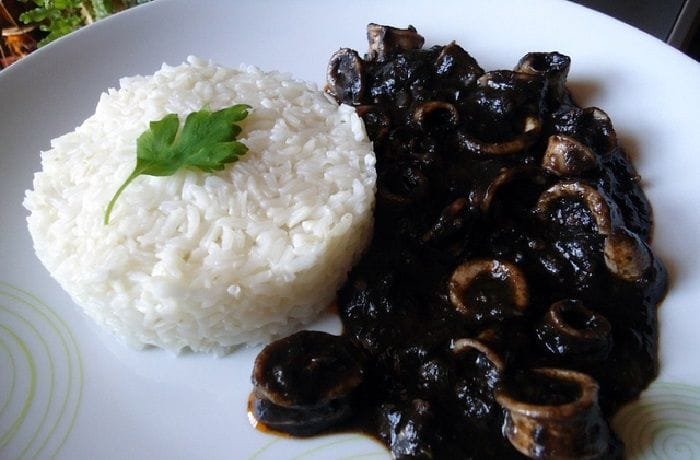
Squid in its own ink is cleaned squid cut into rings, simmered with a sofrito of onion, green pepper, garlic, tomato, and bay leaf in white wine and water thickened with flour for 20 minutes, then cooked another 20 minutes with its ink until tender. It takes 30 minutes of preparation and 45 minutes of cooking, and serves 4.
A classic in Europe and Latin America, with an unmistakable flavor and a striking black color; the key is fresh, quality squid.
How to Make Squid in Its Ink?
Squid is prized in many cultures, and the most important consideration is always to use fresh, good quality squid. Cook it slowly so it turns tender.
Nutritional Information
Each serving of squid in its ink contains approximately 250 kcal, 18 g of carbohydrates, 10 g of fat, 20 g of protein, 2 g of fiber, 1 g of sugars, 150 mg of cholesterol, and 500 mg of sodium. These values are estimates and may vary depending on ingredients and portion sizes.
Squid in Its Own Ink Recipe
Preparation: 30 minutes
Cooking: 45 minutes
Servings: 4
Ingredients
- 500 g (1.1 lb) of squid
- 100 ml (⅓ cup) of white wine
- 100 ml (⅓ cup) of water
- 1 onion
- 1 bay leaf
- 1 garlic clove
- 1 tomato
- 1 tablespoon of flour
- ¼ green bell pepper
- Olive oil
- Fresh parsley
- Fine salt
- Black pepper

Instructions
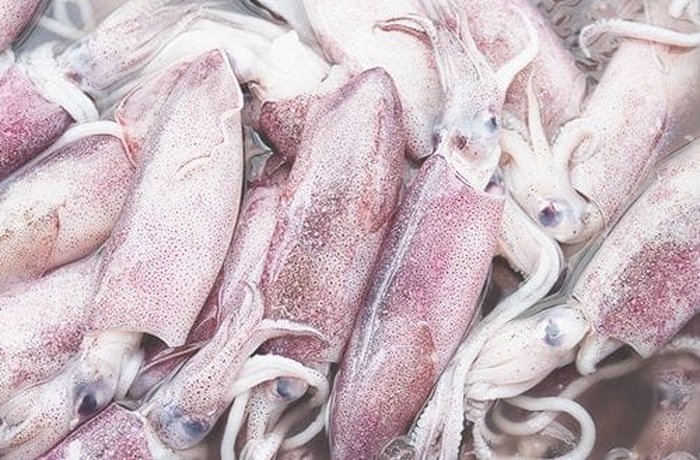
- Clean the squid in cold water, remove the insides, carefully take out the ink sac, and set it aside. Cut the body into rings or small pieces and chop the tentacles.
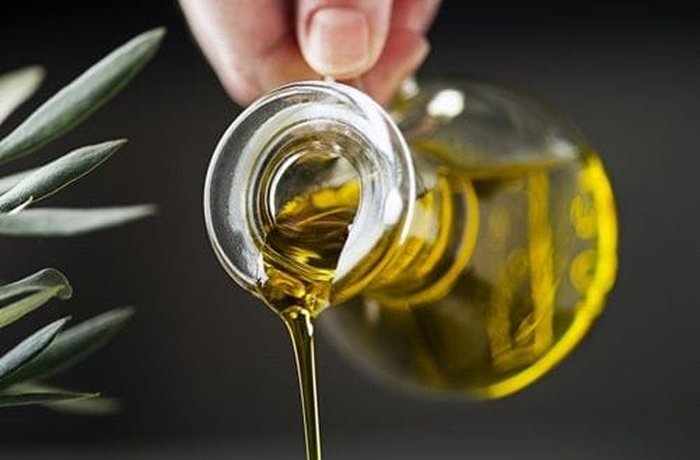
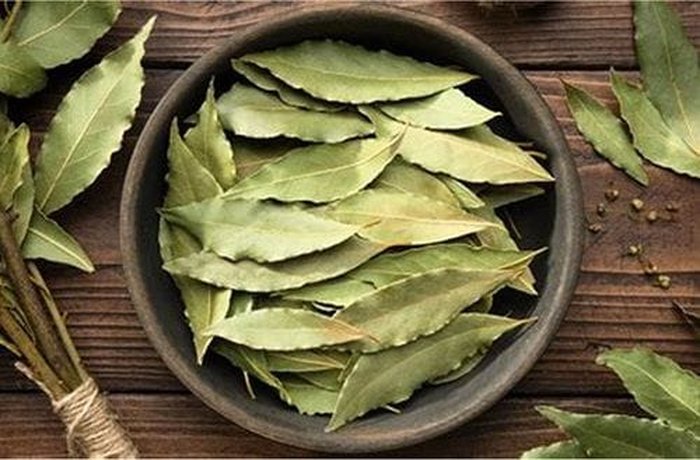
- In a skillet, heat two tablespoons of olive oil over medium heat and add the chopped green pepper, onion, and garlic, the peeled and seeded tomato, and the bay leaf. Sauté for about 5 minutes, until the onion turns translucent.
- Add the squid, white wine, water, and flour and stir with a wooden spoon. Cover and cook over low heat for 20 minutes. Add the squid ink, season with salt and pepper, stir, and cook another 20 minutes, until cooked through and still tender.
- If you like, remove the squid and blend the sauce with a stick blender until smooth and creamy, then return everything to the pan and reheat. Serve right away with white rice or homemade pasta, topped with chopped fresh parsley.
Additional Tips
Short or long
Squid has a tricky cooking window: either under 5 minutes or at least 40 minutes over low heat. This recipe uses the long braise, which breaks down the collagen.
Natural umami
Squid is rich in natural glutamate; the tomato and sautéed onion build on it without additives.
Dilute the ink
Dissolve the ink sac in a little of the cooking liquid before adding it, so the sauce does not turn gritty.
Boost the color
If the fresh ink sacs are small, add a sachet of pasteurized commercial squid ink.
| Original ingredient | Substitute | Ratio | Flavor note |
|---|---|---|---|
| Squid | Baby squid (chipirones) | 500 g | More tender, cooks faster |
| White wine | Fish stock | 100 ml | No alcohol |
| Fresh ink | Commercial ink sachet | 1 sachet | Darker, consistent |
| Rice | Homemade pasta | To serve | Heartier |
Frequently Asked Questions (FAQs)
1. What is the difference between large squid and baby squid?
Age and size. Baby squid (chipirones) are young squid with more tender, delicate meat, ideal for this recipe. Large squid have thicker walls and need gentle heat so they do not toughen.
2. Should the ink be cooked?
Yes. Fresh ink should be cooked, as in the recipe, for about 20 minutes; heat makes it safe and develops its sweet, briny flavor.
3. How do I keep the sauce from turning gritty?
Clean the insides well and dissolve the ink sac in a little of the cooking liquid before adding it. Blending the sauce at the end gives a glossy finish.
4. What if the natural ink is not enough?
Fresh squid sometimes has small ink sacs. Boost the color and flavor with pasteurized commercial ink; many restaurants combine both.
5. Can I freeze the finished dish?
Yes, and it often tastes better the next day. The sauce protects the squid from freezer burn. Reheat slowly over very low heat with a splash of water to loosen the sauce.
Origin and History
The first recorded recipe for squid or baby squid in their ink appears in an 18th century cookbook from the Basque Country, although its exact origin, Italian, Basque, or Galician, is uncertain.
Benefits of Squid
Squid is an excellent source of lean protein, low in saturated fat, and a good source of omega 3 fatty acids, and its ink contains antioxidants.
Did You Know?
Its intense flavor comes from its high level of glutamic acid, the amino acid responsible for umami, the fifth basic taste, also found in Parmesan cheese and truffles.
How to adapt this recipe to a vegan or vegetarian version?
How to adapt this recipe to a gluten-free version?
How to adapt this recipe to a keto (ketogenic) version?
Recommended
- Fried Calamari Recipe
- Chilean Octopus Chupe Recipe
- Chilean Seafood Caldillo Recipe
- Peruvian Spicy Seafood Stew Recipe