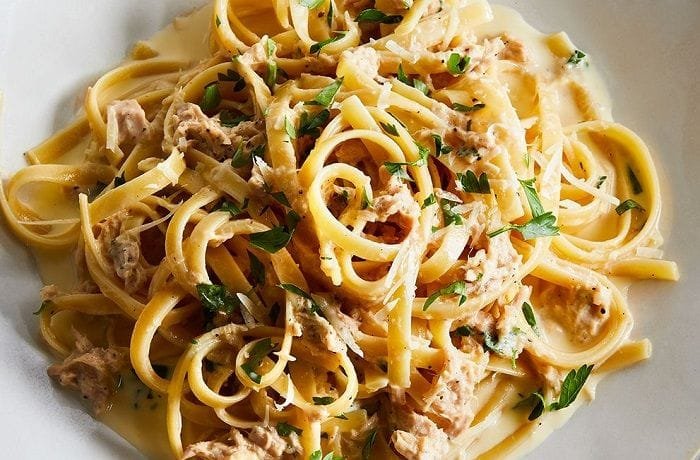
Tuna and cream pasta, or tallarines con atún y crema, is tagliatelle cooked al dente and tossed in a quick sauce of onion and garlic sautéed in oil, flaked tuna, and cream, finished with parsley and chives. It takes 15 minutes of preparation and about 15 minutes of cooking, and serves 4.
It is tasty, economical, and easy, an ideal option for a fast weeknight meal.
How to Make Tuna and Cream Pasta?
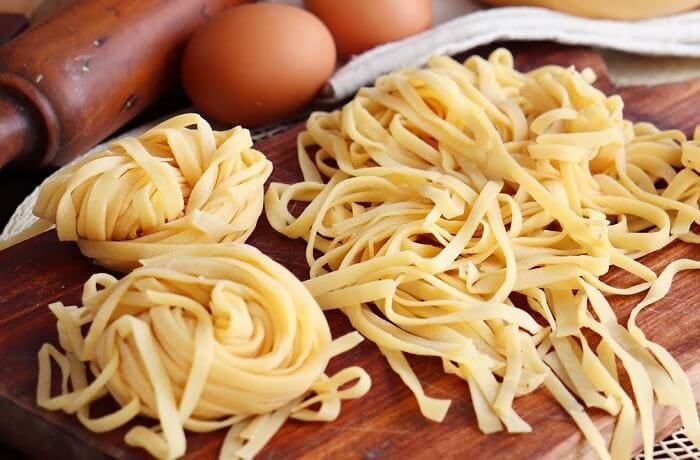
Use the noodles you prefer, egg, whole wheat, or another shape such as farfalle or penne, and always cook them al dente. While the pasta boils, onion and garlic are sautéed, the tuna and cream are added, and the pasta is tossed in the sauce.
Nutritional Information
Each serving of tuna and cream pasta contains approximately 590 kcal, 24 g of protein, 25 g of fat (12 g of saturated fat), 35 mg of cholesterol, 65 g of carbohydrates, 4 g of sugars, 3 g of fiber, and 250 mg of sodium. These values are estimates and may vary depending on ingredients and portion sizes.
Homemade Tuna and Cream Pasta Recipe
Preparation: 15 minutes
Cooking: 15 minutes
Servings: 4
Ingredients
- 1 package (400 g) of tagliatelle
- 200 ml (¾ cup + 1 tablespoon) of heavy cream
- 120 g of canned tuna, drained
- 1 garlic clove
- ½ onion, diced
- Parsley leaves
- Chopped chives
- Oil
- Salt
- Pepper
Instructions
- In a large pot, bring 1 liter of water for every 100 g of pasta to a boil with a tablespoon of salt. Add the noodles, return to a boil, and cook for 7 to 9 minutes until al dente.
- In a large skillet, heat 1 tablespoon of oil over medium high heat, add the chopped onion, and sauté for 3 to 5 minutes until translucent. Add the very finely chopped garlic and cook for one more minute.
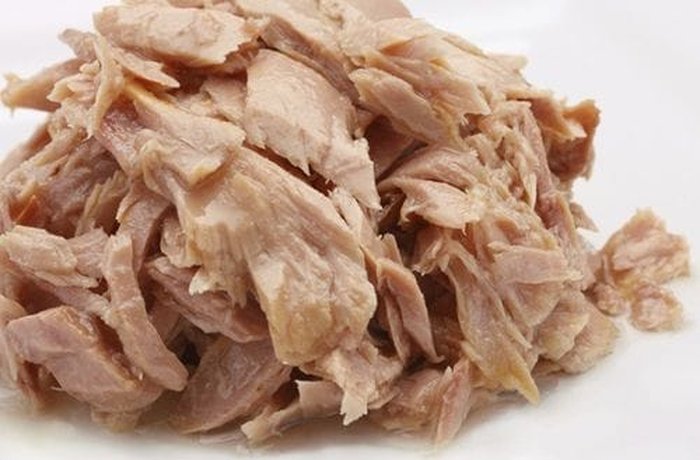
- Add the flaked tuna and the cream, stir, season with salt and pepper, and add the drained pasta. Toss until coated, taste, and adjust the seasoning. Serve right away, garnished with parsley leaves and chopped fresh chives.
Additional Tips
Make it creamier
Stir in a little cream cheese or grated parmesan at the end of cooking for an even creamier sauce.
Freshen it up
For a fresher flavor, add a few basil leaves or a squeeze of lemon juice when serving.
Save pasta water
Keep half a cup of the pasta cooking water. A splash loosens the sauce if it gets too thick.
| Original ingredient | Substitute | Ratio | Flavor note |
|---|---|---|---|
| Tagliatelle | Farfalle, penne, or whole wheat pasta | 400 g | Any shape works |
| Heavy cream | Evaporated milk | 200 ml | Lighter |
| Tuna | Canned salmon or jack mackerel | 120 g | Stronger flavor |
| Chives | Basil | A few leaves | More aromatic |
Frequently Asked Questions (FAQs)
1. What pasta can I use instead of tagliatelle?
Any noodles you like, with egg or whole wheat, or other shapes such as farfalle or penne. The key is cooking them al dente so they keep their texture in the sauce.
2. How long do the noodles cook?
Between 7 and 9 minutes after the water returns to a boil, until al dente. Use 1 liter of water for every 100 g of pasta and a tablespoon of salt, and taste one before draining.
3. How is the tuna and cream sauce made?
Sauté the chopped onion in oil for 3 to 5 minutes until translucent, add the finely chopped garlic for one more minute, then add the flaked tuna and cream, season, and toss in the cooked pasta.
4. How do I make it creamier?
Add a little cream cheese or grated parmesan at the end of cooking. For a fresher taste, add basil leaves or a squeeze of lemon juice when serving.
Origin of Noodles
Noodles were first made in China more than 4,000 years ago, where millet noodles of that age have been found. A popular belief holds that Marco Polo brought pasta to Europe in the thirteenth century, although pasta was already made in Italy before his journey.
Pasta in Chile
Chile is one of the largest pasta consumers in Latin America, and quick dishes like tallarines con atún are weeknight staples in Chilean homes.
Did You Know?
The home pasta machine was popularized in the twentieth century and became a fixture in Italian kitchens, making it easy to roll fresh egg pasta at home.
How to adapt this recipe to a vegan or vegetarian version?
How to adapt this recipe to a gluten-free version?
How to adapt this recipe to a keto (ketogenic) version?
Recommended
- Chilean Pasta with Jack Mackerel Recipe
- Chilean Tuna Croquettes Recipe
- Chilean Pasta with Avocado Sauce Recipe
- Cold Pasta Salad Recipe