Archive

September 2026

Browsing

Versión en Español Sangria is probably the most universal export of Spanish cocktail culture, and it’s often said there are as many recipes for it as there are people who make it. The Chilean take builds on the classic red wine and macerated fruit base, adding pisco and blueberries for a local twist. Both versions rely on the same idea, chopped fresh fruit macerated with sugar before the wine and spirits go in, giving the…

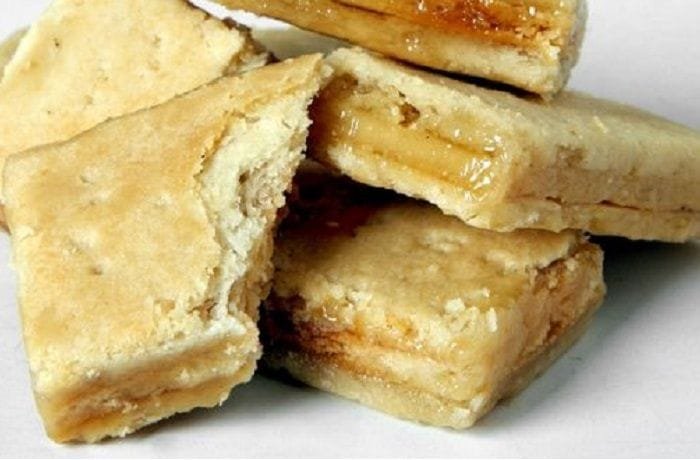
Versión en Español Chumbeque is a traditional sweet from northern Chile built from thin, crisp sheets of lard-based dough layered and soaked in a fig-leaf, cinnamon, and lemon syrup, then pressed and rested until the layers bind into a firm, sliceable block. Its recipe carries multicultural roots that blend Chinese pastry tradition with local ingredients, and the Iquique style is known for its firm texture and long shelf life compared to other regional versions. How…

Versión en Español Chilean American sauce, or “salsa americana,” is a chunky relish made from dill pickles, pickled pearl onions, and pickled carrots, pulsed together until coarse rather than blended smooth. Unlike the creamy sauces sold under similar names elsewhere, this Chilean version stands out for its rustic, crunchy texture. It’s an essential condiment in Chilean cooking, used to top hot dogs, grilled sandwiches, and salads, and since it’s entirely plant-based, it fits vegan and…

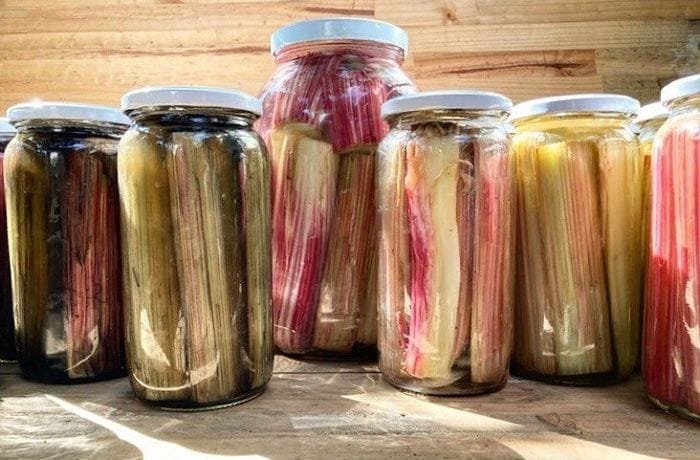
Versión en Español Pickled nalca is an innovative yet traditional way to preserve nalca stalks once the short harvest season ends, turning a wild native plant into a tangy, crunchy condiment that keeps for months in the pantry. Nalca (Gunnera tinctoria) is a giant native herb from southern Chile, and its tart, refreshing stalk is normally eaten fresh in curanto or salads, but pickling it in brine, vinegar, or wine lets you enjoy it year-round.…

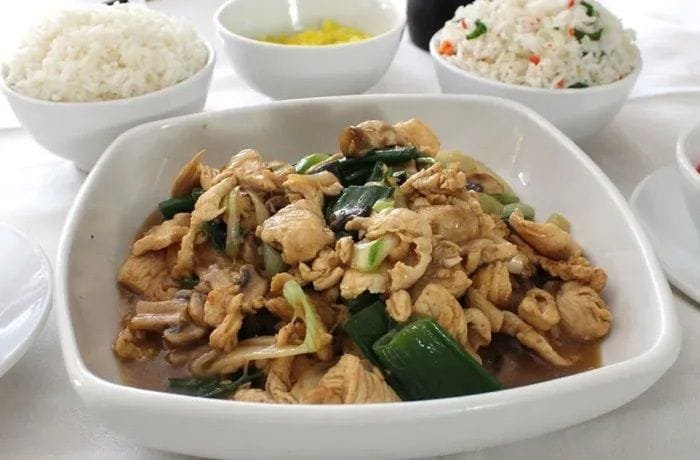
Versión en Español Mongolian chicken is a dish of Asian origin, originally made with chicken breast marinated in soy sauce and rice wine, that has become very popular in the West with a somewhat simplified process based on ingredient availability, while staying just as delicious. In Chile it’s a weeknight favorite, built around a glossy soy-based sauce that clings to bite-sized chicken and scallions, almost always served alongside fried rice. How to Make Mongolian Chicken?…

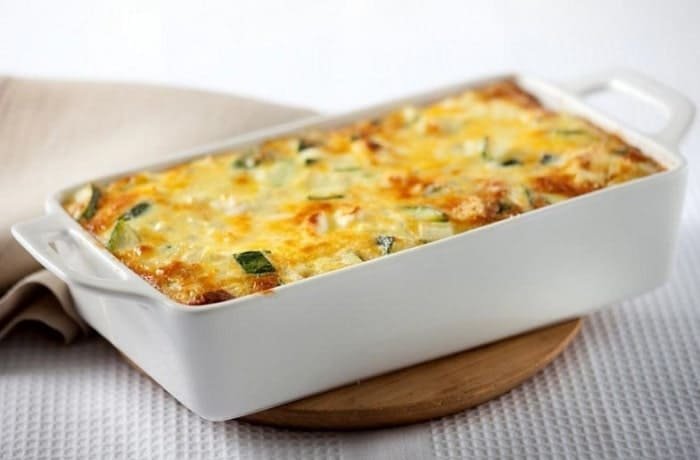
Versión en Español Chilean zucchini loaf, or “budin de zapallo italiano,” is a savory baked dish that turns summer zucchini into a soft, custardy loaf bound with soaked bread, cheese, and a light onion sofrito. It works equally well as a light main dish or a side, and it’s especially popular in spring and summer when zucchini is at its best. The texture can be rustic, with roughly chopped zucchini, or smooth and silky if…

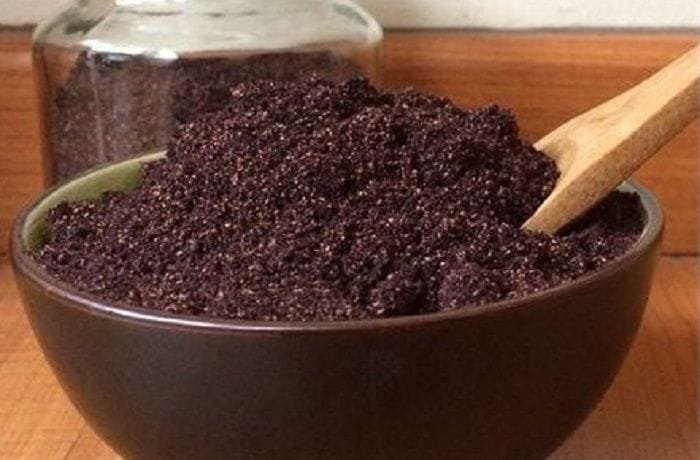
Versión en Español Maqui coffee is a traditional preparation that has been made for hundreds of years in southern Chile, today kept alive in only a few places, most notably the town of Tiruú. It is not coffee at all, but dried and toasted maqui berries ground and steeped like coffee grounds, producing a bittersweet drink that can be served hot or cold. In the past, maqui coffee was drunk by farm workers during breaks…

Versión en Español Chilean berlines are a fried or baked yeast dough, similar to a doughnut, filled with pastry cream, manjar, or fruit jam after cooking. The dough is soft and slightly sweet, and once fried until golden it puffs up enough to hold a generous amount of filling. They descend directly from the German “Berliner”, brought to Latin America by 19th-century immigrants, and are now a staple of Chilean home baking and bakery counters.…

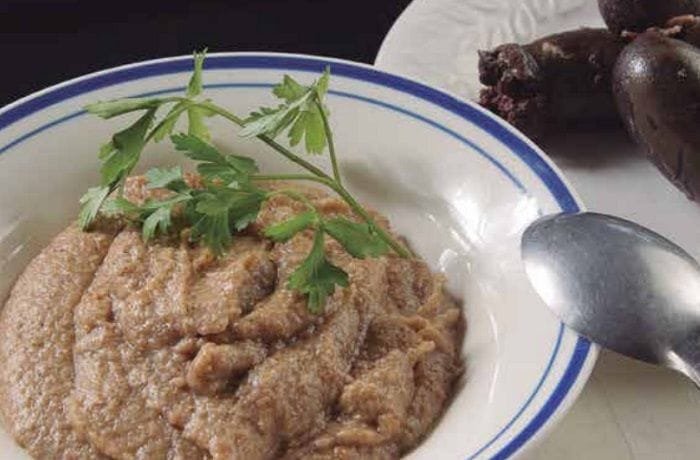
Versión en Español Guanaca or huañaca is a preparation made from toasted wheat flour and pork cooking broth, whether from head cheese, arrollado, sausages, or most commonly prietas blood sausage, which lends the dish all the seasoning of the main preparation, salt, garlic, onion, lard, and every other ingredient used. Nutritional Information Each serving of guanaca contains approximately 300 kcal, 30 g of carbohydrates, 15 g of fat, 10 g of protein, 5 g of…

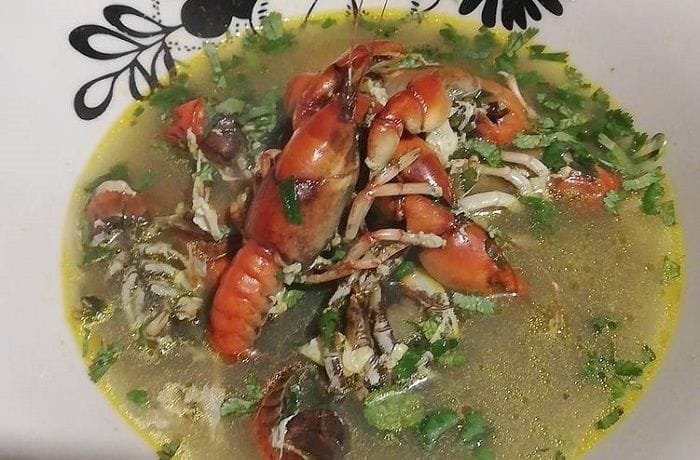
Versión en Español Vega shrimp, also called Chilean mud shrimp (Parastacus pugnax), is a crustacean native to the semi-marshy lowlands known as “vegas”, mainly found in the central valley of the Ñuble region. Nutritional Information Each serving of vega shrimp chowder contains approximately 180 kcal, 10 g of carbohydrates, 8 g of fat, 15 g of protein, 2 g of fiber, 3 g of sugars, and 400 mg of sodium. (*) Values may vary depending…