
A classic Chilean seafood empanada from its Pacific coast, the second longest in the world, where you can find an infinite variety of seafood preparations, such as these fried or baked empanadas.
Nutrition Facts
Each serving of seafood empanada contains approximately 350 kcal, 12 g of proteins, 15 g of total fats, 40 g of carbohydrates, 1 g of sugars, 1 g of fiber, 45 mg of cholesterol, and 300 mg of sodium.
How to Make Seafood Empanadas
Usually, seafood empanadas are cooked fried, but there is no problem in making them baked, using at least 4 different types of seafood such as mussels, clams, razor clams, sea squirts, shrimp, abalone, etc.
Prep Time: 20 minutes
Cook Time: 30 minutes
Servings: 8
Ingredients
1. Empanada dough
- 400 g of flour without baking powder
- 200 ml of warm milk
- 70 g of melted butter
- 5 g of salt
- 4 g of baking powder
2. Seafood filling
- 500 g of assorted seafood
- 45 ml of vegetable oil
- 5 g of paprika
- 5 ml of ají paste
- 2 onions chopped into small cubes
- ½ teaspoon of oregano
- Salt
- Pepper

Instructions
- In a medium-sized pan, add oil and sauté the onion over medium heat for about 5 minutes, stirring occasionally, until it becomes translucent. Then add the paprika, the pepper paste, oregano, salt, and pepper to taste, and stir and mix everything. Add the chopped seafood (mussels, clams, sea squirts, etc.), gently stir everything, and cook for another 3 minutes until it is almost cooked, as the cooking process will finish later in the oven or fryer.
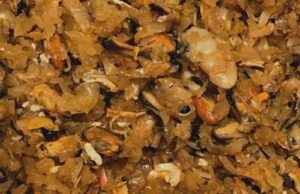
- Remove the mixture from the heat, reserve it, and let it cool completely. In a medium-sized bowl, sift the flour and salt, make a well in the center, add the melted butter, and mix everything with your hands or a wooden spoon until well combined. Add the warm milk, mix a little more, and start kneading on a smooth, floured surface until the dough no longer sticks to your hands.
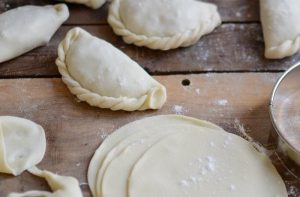
- Roll out the dough with a rolling pin or a clean glass bottle until it reaches about 3 millimeters thick, and cut it into circular shapes using a mold or a plate, depending on the desired size. Fill the dough disks with the seafood mixture, moisten the edges with a finger, and close each empanada into a half-moon shape with a firm fold or by pressing with the tines of a fork.

- For the fried version, fill a deep skillet or fryer with enough oil, heat to around 160°C (320°F), and fry each empanada for 2 to 3 minutes per side until golden brown. For the baked version, brush each empanada with a mixture of one egg yolk and a little water or milk. Preheat the oven to 200°C (392°F) and bake for 20 minutes or until golden brown. Serve the hot fried or baked seafood empanadas accompanied by pebre or chili cream.
Baker’s Secrets for a Perfect Seafood Empanada
- Thermal Equilibrium: It is critical that the seafood filling is completely cold before you begin assembling the empanadas. If the filling is even slightly warm, it will release steam that softens the gluten structure of the dough, causing it to tear or “explode” when it hits the hot oil or oven.
- The Leavening Chemistry: Using baking powder in the dough is what creates those characteristic tiny bubbles and a light, crumbly texture. Without it, the dough would be a tough, hard sheet once cooked.
- The 3-Millimeter Rule: Precision in rolling out the dough is vital. Aim for exactly 3 millimeters of thickness. This provides enough strength to hold the juicy seafood filling while remaining thin enough to cook through and become crispy.
- Oil Barrier and Maillard Reaction: For the fried version, keeping the oil at 160°C (320°F) is the sweet spot. This temperature triggers the Maillard reaction almost instantly, creating a golden crust that acts as a hydrophobic barrier, preventing excess oil from soaking into the filling.
Frequently Asked Questions (FAQ)
1. Which seafood works best for the filling?
The traditional Chilean mix usually includes at least 4 types: mussels and clams for texture, shrimp or razor clams for sweetness, and occasionally abalone or sea squirts for a deep oceanic punch.
2. Can I use oil instead of butter in the dough?
You can, but the 70 g of melted butter is what provides the authentic, slightly “shortbread-like,” and rich flavor typical of Chilean empanadas. Butter also aids in the browning process during baking.
3. How do I make the onions easier to digest?
The secret is the 5-minute sauté until they are translucent. This breaks down the complex sulfur compounds that often cause indigestion, turning them into natural, sweeter sugars.
4. Can I freeze them?
Yes. You can freeze the assembled (unbaked/unfried) empanadas for up to 2 months. Bake them directly from the freezer, adding about 5-8 minutes to the cooking time, or thaw them in the fridge before frying.
Benefits of Consuming Seafood
Seafood is an important source of high-quality protein that is necessary for repairing and growing body tissues. In general, seafood is low in saturated fats, making it a good choice for those seeking a heart-healthy diet.
Did You Know?
Empanadas are a type of food that originated in Arab cuisine but became popular in Spanish gastronomy and eventually made their way to America.
How to adapt this recipe to a vegan or vegetarian version?
How to adapt this recipe to a gluten-free version?
How to adapt this recipe to a keto (ketogenic) version?
Recommended
- Chilean Calzones Rotos Recipe
- Chilean Original Chorrillana Recipe
- Chilean Sopaipillas with Pumpkin
- Chilean Salmon Ceviche Recipe