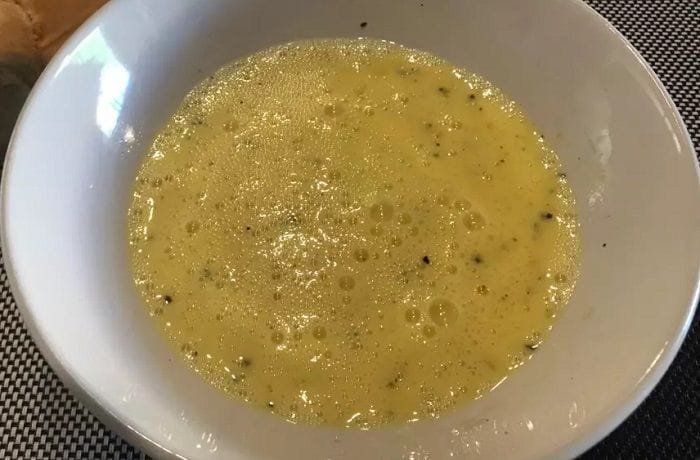
Huevos a la ostra is made with 2 fresh eggs, lime juice, salt, and pepper, whisked together until you get a foamy, creamy yellow mixture. It requires no cooking and is ready in 5 minutes. It’s Chile’s traditional energizing preparation to start the day or fuel up before a workout.
Nutritional Information
Each serving of huevos a la ostra contains approximately 210 kcal, 12 g of protein, 15 g of total fat, 370 mg of cholesterol, 2 g of carbohydrates, 0 g of sugars, and 240 mg of sodium. (*)
(*) Values may vary depending on ingredients and portion sizes.
How to Make Huevos a la Ostra?
As with all dishes made with raw egg, it’s essential to take precautions to avoid any kind of cross-contamination, washing your hands and the eggshells themselves thoroughly before using them.
Prep time: 5 minutes
Servings: 1 person
Ingredients
- 2 large eggs
- 1 lime
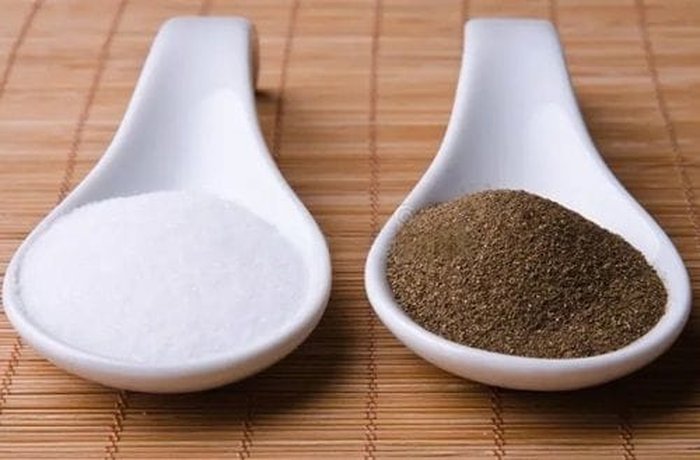
- Fine salt
- Black pepper

Instructions
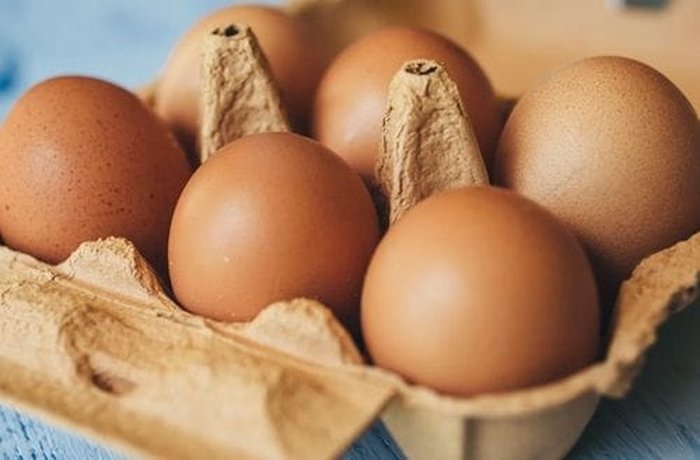
- Over a medium bowl, carefully crack and pour in the eggs, removing any bits of shell that may stick. Season with salt and pepper to taste, break the yolks with a fork, and mix until combined.
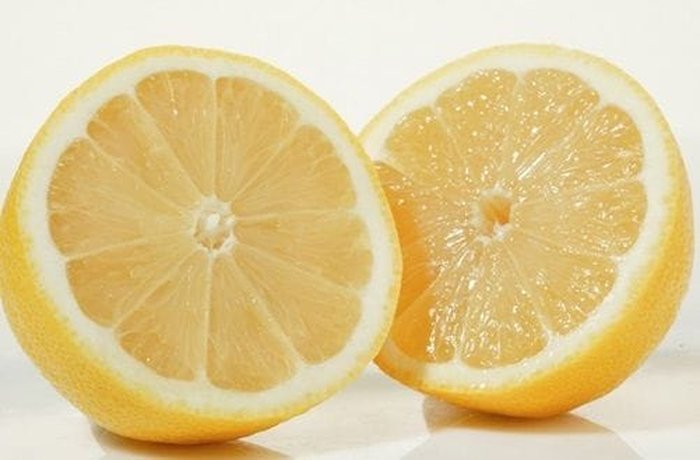
- Add the lime juice and keep whisking until it reaches a smooth, foamy, creamy yellow consistency. Serve the huevos a la ostra immediately, straight from the bowl, optionally adding a pinch of oregano or merkén for extra flavor.
Additional Homemade Tips
How to serve it
Huevos a la ostra should always be eaten right away at room temperature, optionally with a piece of torn marraqueta bread or spread over pan amasado. You can also swap the lime juice for apple cider vinegar, or add a splash of olive oil seasoned with basil or garlic.
Food safety tips
Pasteurized eggs are the safest option, since they’ve been gently heat-treated to eliminate Salmonella without coagulating the proteins. If pasteurized isn’t available, use very fresh Grade A eggs, less than 7 days from laying, with a fully intact shell. Wash the eggs under warm running water with a clean cloth for 20 seconds, avoiding soap or detergent, which can penetrate the porous shell; dry with a paper towel and wash your hands after handling the eggs, before touching any other surface. Place the egg in a glass of water: if it sinks horizontally, it’s very fresh; if it tilts, it’s over a week old; if it floats, discard it. For huevos a la ostra, use only eggs that sink completely and lie flat.
| Variation | Extra ingredient | Effect | Best for |
|---|---|---|---|
| With merkén | Pinch of smoked merkén | Spicy, earthy touch | A bolder breakfast |
| With olive oil | Drizzle when serving | Silkier texture | Gourmet presentation |
| With apple cider vinegar | Replaces the lime | Milder, less acidic flavor | When lime isn’t available |
| With oregano or basil | Chopped fresh herbs | Fresh herbal aroma | Varying the classic flavor |
| With grated garlic | Half a garlic clove | More intense, protein-forward flavor | Pre-workout |
Frequently Asked Questions (FAQs)
1. What precautions should I take when eating raw eggs?
It’s essential to use fresh, good-quality eggs, preferably pasteurized. Wash the shell and your hands thoroughly before handling them.
2. How do you serve huevos a la ostra?
Traditionally, it’s served with pan amasado or fresh marraqueta bread for dipping. It can also be paired with whole-grain toast or even fresh vegetables for a more complete, nutritious meal.
3. Can I add other spices or herbs?
It’s common to add merkén, oregano, or fresh basil. Even a touch of chopped garlic or a drizzle of olive oil can complement the flavor nicely and make it more aromatic.
4. Can I use egg substitutes for a safer version?
Yes, pasteurized liquid egg products work well as a safer substitute for raw shell eggs, since they’ve already been heat-treated to eliminate common bacteria while keeping a similar raw texture.
What Is Huevos a la Ostra?
Huevos a la ostra is a Chilean recipe that has been adapted in different countries, and is said to take its name from the way fresh oysters are traditionally enjoyed straight from the sea, with just a bit of lime juice and salt.
Health Benefits of Raw Eggs
A raw egg contains a quarter of our daily choline needs, an essential nutrient our liver doesn’t produce in sufficient quantity, and one shown to have a positive impact on cognitive function. Raw eggs, specifically the yolks, are also rich in antioxidants like lutein and zeaxanthin, which help protect eye health and reduce the risk of age-related eye disease.

Did You Know?
Huevos a la ostra is a Chilean recipe that has been adapted in different countries and is said to take its name from the way fresh oysters, straight from the sea, are traditionally eaten with just a little lime juice and salt.