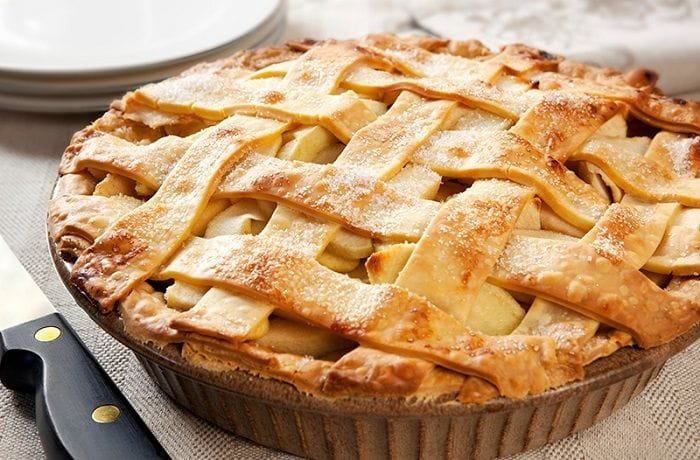
Chilean apple kuchen, or kuchen de manzana, is a shortcrust tart filled with sliced apples, sugar, lemon, and cinnamon and topped with a dough lattice, a German inspired classic of southern Chile. It takes 60 minutes of preparation plus 50 minutes of baking and serves 6 people.
The recipe arrived with the German settlers of the south and became a staple of afternoon once, helped by the wide variety of apples grown in the region. It is easy, fairly quick, and a good baking project to share with the whole family.
How to Make Chilean Apple Kuchen?
You make a crumbly shortcrust with flour, butter, egg yolk, and a little baking powder, line a tart tin with most of it, fill it with apples tossed in sugar, lemon, cinnamon, and flour, and cover the top with a lattice cut from the remaining dough. Brushed with egg yolk and baked until golden, it is served in slices with coffee, tea, or hot chocolate.
Nutritional Information
Each serving of apple kuchen contains approximately 420 kcal, 4 g of protein, 18 g of total fat (11 g of saturated fat), 60 g of carbohydrates, 24 g of sugars, 65 mg of cholesterol, and 230 mg of sodium. These values are estimates and may vary depending on ingredients and portion sizes.
Homemade Chilean Kuchen de Manzana Recipe
Preparation: 60 minutes
Cooking: 50 minutes
Servings: 6 people
Ingredients
For the dough
- 250 g (2 cups) of all purpose flour
- 125 g (4.4 oz) of butter
- 90 ml (3 fl oz) of water
- 1 egg yolk
- 1 pinch of salt
- 1 teaspoon of baking powder
For the filling
- 4 large apples
- 100 g (1/2 cup) of sugar
- 30 g (1/4 cup) of sifted flour
- 1 teaspoon of lemon juice
- 1/2 teaspoon of ground cinnamon
- 1 extra egg yolk for brushing

Instructions
- In a large bowl, sift the flour with the baking powder, then add the butter, the egg yolk, and a pinch of salt, rubbing everything together with your fingertips until it looks like sand. Add the water little by little, just enough to bring it into a firm dough, mixing without kneading so the dough does not turn tough.
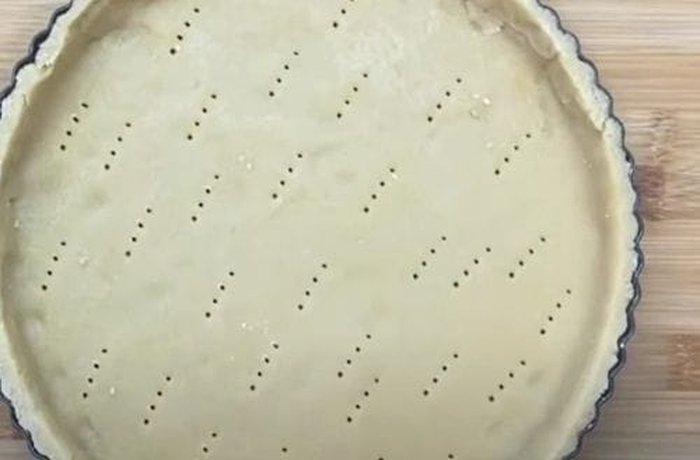
- Set aside a quarter of the dough and roll out the rest to a circle about 24 cm (9.5 in) wide and 2 to 3 mm thick. Line a 22 cm (8.5 in) kuchen tin with it, leaving about 2 cm of overhang above the rim without trimming.
- Roll out the reserved dough and cut it into long strips about 1/2 cm wide. Peel the apples, halve them, remove the cores and seeds, and slice them thinly. Place the apples in a glass bowl, add the sugar, lemon juice, cinnamon, and flour, and toss gently.
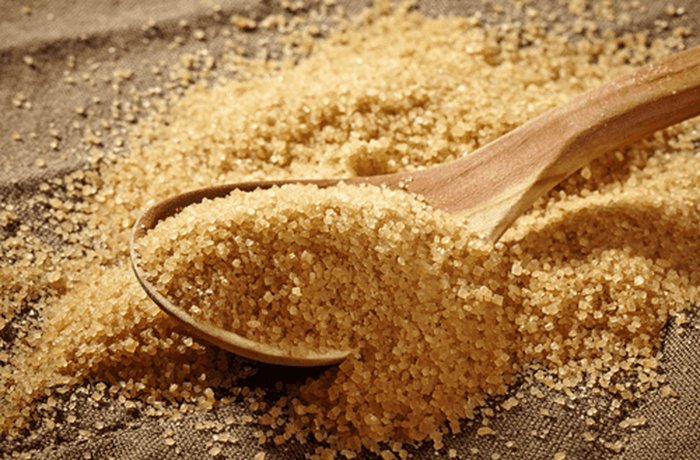
- Pour the apple mixture into the lined tin and weave a lattice over the top with the dough strips, trimming them at the edge of the tin and folding the overhang over the joins to hide them. Preheat the oven to 170 C (338 F) for at least 10 minutes.
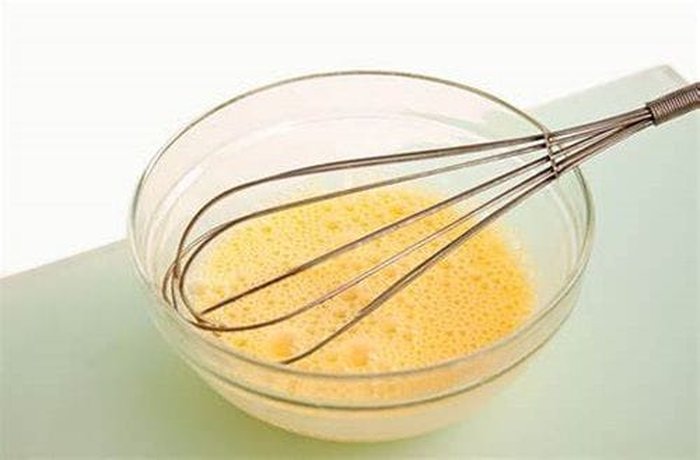
- Brush the lattice and the edges with beaten egg yolk and bake for 45 to 50 minutes, until lightly golden. Let it cool and serve the apple kuchen in slices, with a good coffee, tea, or hot chocolate if you like.
Additional Tips
Mix tart and sweet apples
For a more complex flavor, combine tart varieties such as Granny Smith or Chilean limona apples with sweeter ones such as Camuesa or Gala. The natural sweet and sour contrast lifts the filling without extra sugar.
Drain juicy apples
If the sliced apples release a lot of juice, drain them or pat them dry with paper towels before tossing them with the sugar and flour. This keeps the bottom of the crust from going soggy and gives a crisper base.
Do not knead the dough
Shortcrust only needs to come together. Kneading develops the gluten in the flour and turns the base hard, so stop mixing as soon as the dough holds its shape.
| Original ingredient | Substitute | Ratio | Flavor note |
|---|---|---|---|
| White sugar | Brown sugar | 1:1 | Light caramel notes |
| Butter | Margarine | 1:1 | Less buttery, same texture |
| Lemon juice | Orange juice | 1:1 | Sweeter, less sharp |
| Ground cinnamon | Nutmeg | 1/2 : 1/4 tsp | Warmer, more intense |
Frequently Asked Questions (FAQs)
1. Which apple varieties work best for kuchen?
A mix of tart apples such as Granny Smith and sweet apples such as Gala or Fuji works very well, giving a natural sweet and sour balance without adding more sugar.
2. How do I stop the top from burning?
Cover the kuchen with aluminum foil for the last 20 minutes of baking and remove it 5 minutes before the end so the lattice browns evenly.
3. Can I add a layer of pastry cream?
Yes. Bake the base alone for 10 minutes, cover it with warm pastry cream, and arrange the apples on top before finishing the baking.
4. Can apple kuchen be frozen?
Freeze baked portions well wrapped for up to 3 months. Thaw at room temperature and warm for 5 minutes at 160 C (320 F) to bring back the texture.
5. How long does it keep at room temperature?
Keep it covered in a cool place for up to 2 days. In warm weather refrigerate it and take it out 15 minutes before serving so the crust does not harden.
What Is Apple Kuchen?
Kuchen is the German word for cake, and in Chile it names a family of fruit, cream, or crumb tarts baked on a shortcrust base. The apple version is one of the most popular because apples are available almost all year in the south, and its lattice top sets it apart from the cream filled kuchens made with peaches or berries.
History of Kuchen in Chile
Kuchen arrived with the German immigrants who settled around Llanquihue, Valdivia, and Osorno from the middle of the nineteenth century. Their home baking blended with local fruit, and today kuchen is sold in bakeries, roadside stalls, and tea rooms across southern Chile and Argentina as a fixture of afternoon once.
Did You Know?
The apple is grown all over the world today, but its origins lie in Central Asia, where its wild ancestor, Malus sieversii, can still be found growing in the forests of Kazakhstan.
How to adapt this recipe to a vegan or vegetarian version?
How to adapt this recipe to a gluten-free version?
How to adapt this recipe to a keto (ketogenic) version?
Recommended
- Raspberry or Strawberry Kuchen Recipe
- Chilean Cherry Kuchen Recipe
- Homemade Crumb Kuchen Recipe
- Chilean Banana Kuchen Recipe