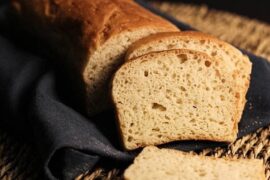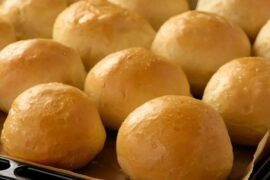
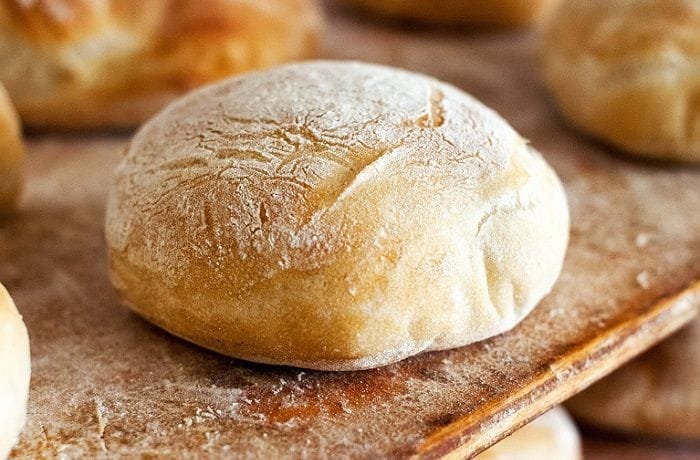
Pan sin levadura is a quick homemade bread made without yeast, leavened with baking powder and enriched with butter or oil and an optional egg, shaped into rolls and baked until golden. It takes 15 minutes of preparation plus 40 minutes of baking and makes 8 rolls for 4 people.
It is fast to make and best eaten very fresh, ideally still warm from the oven.
How to Make Yeast Free Bread?
This bread uses baking powder and, optionally, an egg to give the rolls their volume, so there is no rising time. You mix, knead briefly, shape, and bake.
Nutritional Information
Each serving of yeast free bread contains approximately 390 kcal, 60 g of carbohydrates, 10 g of fat, 8 g of protein, 2 g of fiber, 1 g of sugars, 45 mg of cholesterol, and 1,000 mg of sodium. These values are estimates and may vary depending on ingredients and portion sizes.
Homemade Pan sin Levadura Recipe
Preparation: 15 minutes
Cooking: 40 minutes
Servings: 4 people (8 rolls)
Ingredients
- 500 g (4 cups) of all purpose flour
- 200 ml (7 fl oz) of water or milk
- 60 g (2 oz) of butter or oil
- 2 teaspoons of salt
- 2 teaspoons of baking powder
- 1 egg (optional)
Instructions
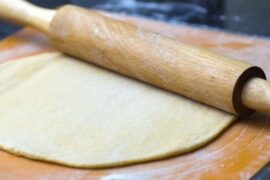
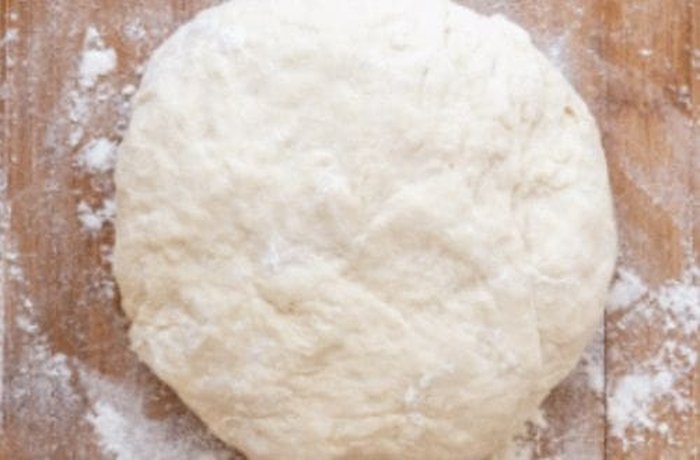
- In a large bowl, sift the flour and add the butter or oil, the salt, the baking powder, and the egg if using, and rub everything together with your fingers. Add the water little by little and knead until you have a firm, smooth dough. Preheat the oven to 200 C (392 F) for at least 10 minutes.
- Divide the dough into 8 pieces and shape them by hand into round rolls about 2.5 cm thick. Arrange them on a floured or lined baking tray and, if you like, cut a cross on top with a sharp knife.
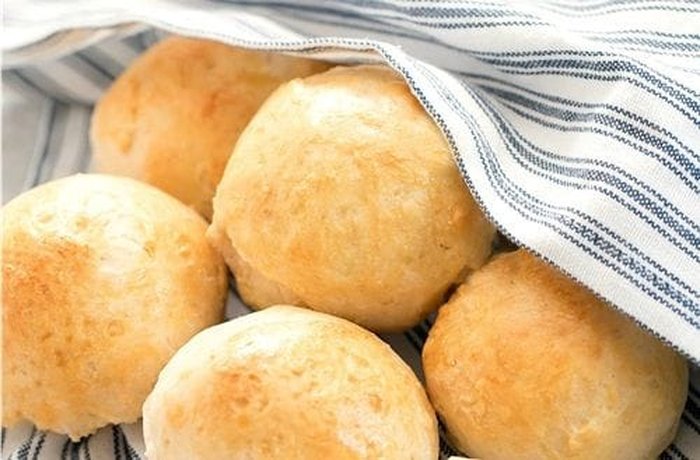
- Bake for about 20 minutes, then lower the oven to 180 C (356 F) and bake for another 20 minutes, or until the rolls are lightly golden and sound hollow when tapped. Cool on a rack and serve warm or cold, on their own or with butter and jam.
Additional Tips
Work quickly
Baking powder starts reacting as soon as it meets liquid, so shape the rolls and get them in the oven without delay.
Do not overknead
Knead just until smooth. Without yeast there is no gluten network to build, and overworking only makes the bread tough.
Eat them fresh
Yeast free bread is best on the day it is made, ideally still warm.
| Original ingredient | Substitute | Ratio | Flavor note |
|---|---|---|---|
| Baking powder | Baking soda plus yogurt | 2 tsp soda + 1/2 cup yogurt | Tangier |
| Butter | Oil | 1:1 | Lighter |
| Water | Milk | 1:1 | Softer, more golden |
| Egg | Omit | Optional | Denser crumb |
Frequently Asked Questions (FAQs)
1. Why use baking powder?
Baking powder is a chemical leavener that replaces yeast. It releases carbon dioxide when mixed with liquid and heated, which makes the dough rise and gives it a soft crumb.
2. Can I use baking soda instead?
Yes, but baking soda needs an acid to react. Use two teaspoons of baking soda and add plain yogurt to the dough.
3. Is there a two ingredient version?
Yes. Mix self rising flour, which already contains baking powder, with an equal amount of plain yogurt for a quick two ingredient bread.
4. How long does it keep?
It is best the same day. Wrapped, it keeps for a day at room temperature, and it can be frozen and reheated in the oven.
What Is Pan sin Levadura?
Pan sin levadura, yeast free bread, is a quick bread leavened chemically instead of with yeast. It is a handy recipe when there is no yeast at home or no time to wait for dough to rise.
Quick Breads Around the World
Many cultures have yeast free breads, from Irish soda bread made with baking soda and buttermilk to flatbreads and scones. This Chilean home version is closest to a simple baking powder roll.
Did You Know?
In Jewish tradition, unleavened bread, known as matzah, recalls the flight of the Israelites from Egypt, when there was no time to let the dough rise.
How to adapt this recipe to a vegan or vegetarian version?
How to adapt this recipe to a gluten-free version?
How to adapt this recipe to a keto (ketogenic) version?
Recommended
- Chilean Pan Amasado Recipe
- Chilean Hallullas Recipe
- Chilean Toasted Flour Bread Recipe
- Chilean Pan Frica Recipe