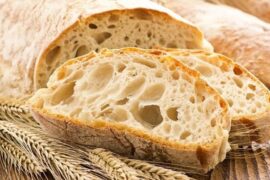
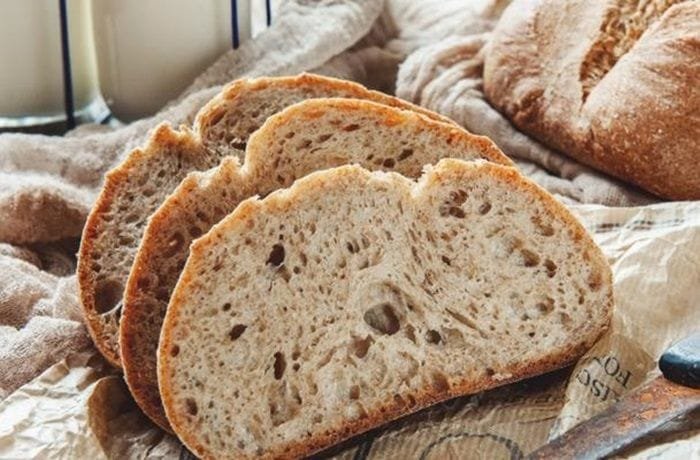
Homemade sourdough bread is made by mixing 400 g of bread flour, 100 g of whole wheat flour, and salt with 100 g of active sourdough starter and 300 ml of warm water, kneading for 10 to 15 minutes, letting the dough rise in a warm place for at least 4 hours, shaping and scoring it, proofing it for another 60 minutes, and baking it at 200 C (392 F) for about 45 minutes. It takes 6 hours of preparation plus 45 minutes of baking and serves 6 people.
Naturally leavened bread has a unique tangy flavor and an open, springy crumb, and it is a rewarding project for home bakers.
How to Make Sourdough Bread?
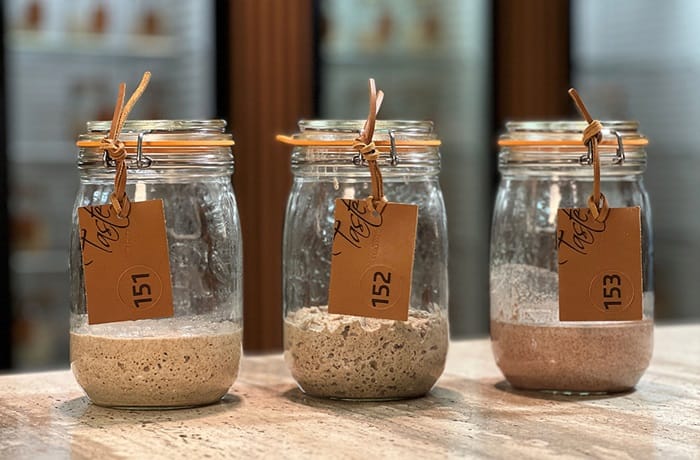
First you need an active sourdough starter, bought from a specialty shop or made from scratch with flour and water. It takes time and patience, but the result is worth it.
Nutritional Information
Each serving of sourdough bread contains approximately 240 kcal, 50 g of carbohydrates, 1 g of fat, 7 g of protein, 3 g of fiber, 1 g of sugars, and 390 mg of sodium. These values are estimates and may vary depending on ingredients and portion sizes.
Homemade Sourdough Bread Recipe
Preparation: 6 hours
Cooking: 45 minutes
Servings: 6 people
Ingredients
- 400 g (3 1/4 cups) of bread flour
- 100 g (3/4 cup) of whole wheat flour
- 100 g (3 1/2 oz) of active sourdough starter
- 300 ml (1 1/4 cups) of warm water
- 1 tablespoon of salt

Instructions
- In a large bowl, combine the bread flour, whole wheat flour, and salt. Add the sourdough starter and pour in the warm water gradually while mixing with your hands. Knead for 10 to 15 minutes until smooth and elastic, adding a little flour if it is too sticky.
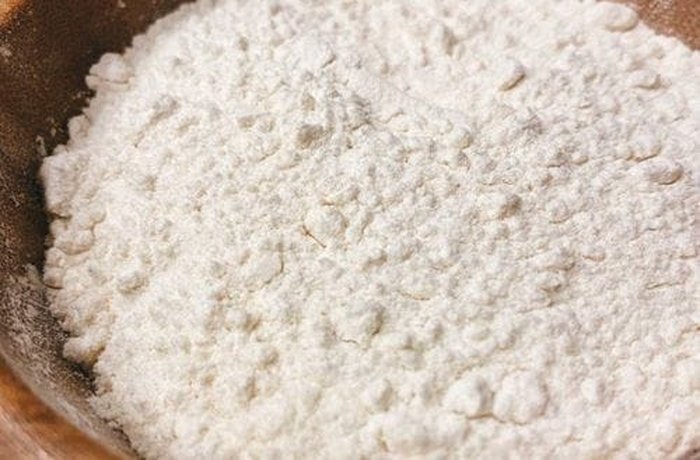
- Shape into a ball and place in a lightly floured bowl. Cover with a clean kitchen towel and let rise in a warm place for at least 4 hours, or until doubled in size.
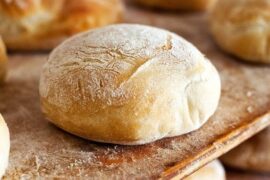
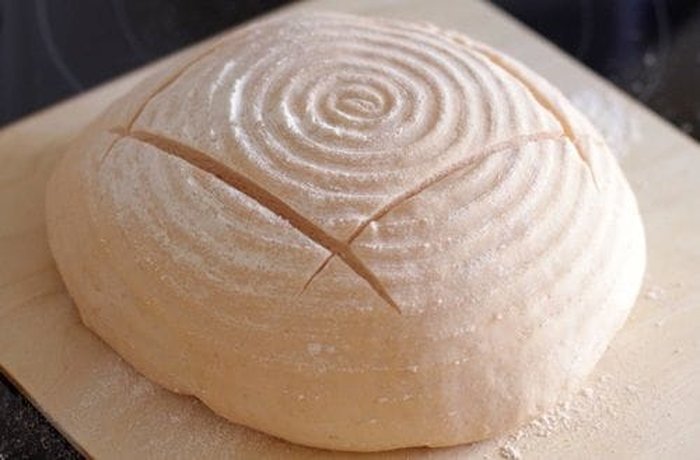
- Turn the dough onto a floured baking tray, shape it, make shallow decorative cuts on the surface, and let it rise covered for another 60 minutes, or until doubled again. Bake in an oven preheated to 200 C (392 F) for about 45 minutes, until golden on top and hollow-sounding when tapped underneath.
- Cool on a wire rack at room temperature. Slice 1 to 2 cm (1/2 to 3/4 inch) thick with a serrated knife and serve with butter, olive oil, hummus, cheese, or cold cuts, or use it for sandwiches, toast, or bruschetta.
Additional Tips
Feed the starter first
Use the starter at its peak, a few hours after feeding, when it is bubbly and has doubled.
Add steam
A tray of hot water in the oven for the first 15 minutes helps the loaf rise and forms a crisp crust.
Let it cool fully
Wait at least an hour before slicing; the crumb is still setting as it cools.
| Original ingredient | Substitute | Ratio | Flavor note |
|---|---|---|---|
| Bread flour | All-purpose flour | 1:1 | Less structure |
| Whole wheat flour | Rye flour | 1:1 | Denser, more tangy |
| Baking tray | Dutch oven | Better rise and crust | |
| Warm place | Refrigerator overnight | 12 to 16 hours | More sour flavor |
Frequently Asked Questions (FAQs)
1. Is sourdough bread fattening?
A 30 g slice has about 100 calories; seeds, nuts, or oils in the dough add more.
2. How do I store sourdough bread?
Wrapped in foil or waxed paper at room temperature for 1 to 2 days, or in the refrigerator for longer.
3. Can I freeze it?
Yes, freeze individual slices wrapped in plastic inside a freezer bag and thaw at room temperature or in the oven.
4. How do I know my starter is active?
It doubles within 4 to 8 hours of feeding and a spoonful floats in water.
What Is Sourdough?
Sourdough is a fermented mixture of flour and water, full of wild yeasts and lactic bacteria, used for centuries to leaven bread.
Benefits of Sourdough
Sourdough bread provides fiber, B vitamins, and minerals such as iron and magnesium, and long fermentation can make it easier to digest.
Did You Know?
The Sourdough Library in Sankt Vith, Belgium, preserves starters from around the world, including Chilean ones.
How to adapt this recipe to a vegan or vegetarian version?
How to adapt this recipe to a gluten-free version?
How to adapt this recipe to a keto (ketogenic) version?
Recommended
- Chilean Ferments in the Sourdough Library
- Homemade Ciabatta
- Homemade Yeast-Free Bread
- Chilean Milk Bread Rolls