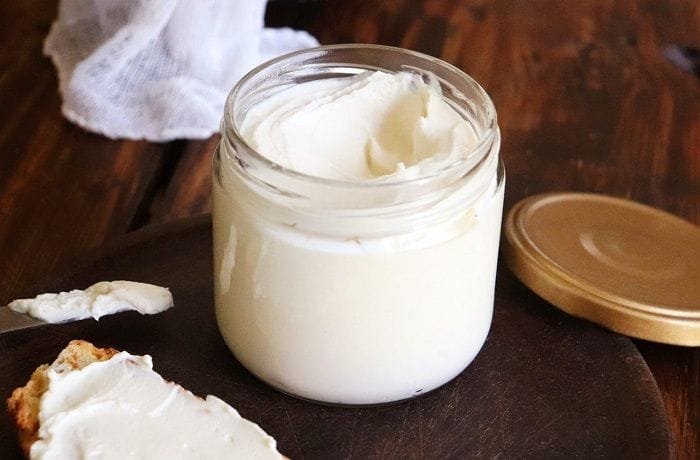
Homemade cream cheese, or queso crema casero, is made by heating whole milk to 90°C (194°F), curdling it with lemon juice, straining the curds through a cloth, and blending them with a little of the whey and salt until smooth and spreadable. It takes 40 minutes of preparation and 10 minutes of cooking, and serves 6.
Inexpensive, simple, and free of preservatives, it is a homemade alternative to commercial spreads such as Philadelphia, ideal with bread, crackers, toast, and even cakes and kuchen.
How to Make Homemade Cream Cheese?
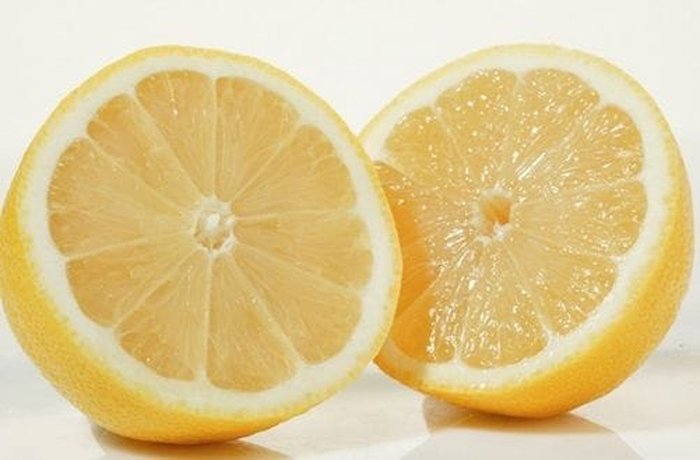
You need only two main ingredients for a natural result. The milk is heated to 90°C (194°F), lemon juice is stirred in, and it is left for 30 minutes to curdle. The curds are strained and squeezed in a cloth, then blended with salt and spoonfuls of whey until firm or soft as you like.
Nutritional Information
Each serving of homemade cream cheese contains approximately 125 kcal, 6 g of protein, 9 g of total fat (3 g of saturated fat), 30 mg of cholesterol, 8 g of carbohydrates, 8 g of sugars, and 50 mg of sodium. These values are estimates and may vary depending on ingredients and portion sizes.
Homemade Cream Cheese Recipe
Preparation: 40 minutes
Cooking: 10 minutes
Servings: 6
Ingredients
- 2 liters (8 cups) of whole milk
- 100 ml (⅓ cup plus 1 tablespoon) of lemon juice
- Fine salt

Instructions
- In a stainless steel pot, heat the milk to 90°C (194°F), turn off the heat, and add the lemon juice. Stir with a wooden spoon and leave undisturbed for about 30 minutes while the milk curdles and the curds separate from the whey.
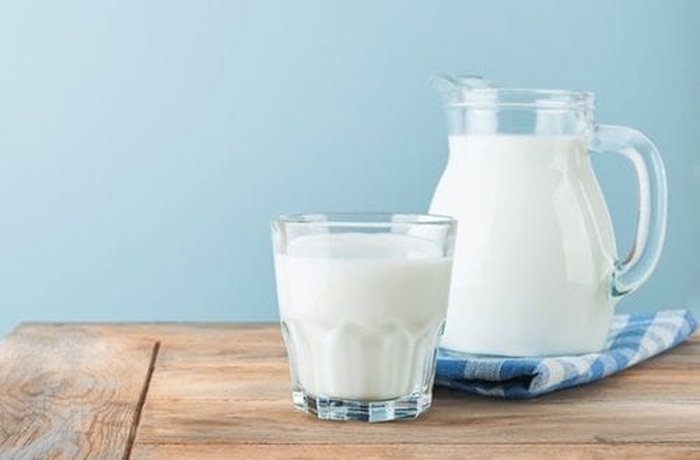
- Cover a large bowl with a clean kitchen cloth secured with a rubber band, pour in the curdled milk carefully to strain the whey, then squeeze the curds in the cloth until fully drained. Save the whey.
- Transfer the curds to a blender, add salt to taste if you like, and blend at medium speed, adding spoonfuls of whey little by little until you reach the texture you want, firmer like Philadelphia or softer like a spreadable cream cheese.
- Transfer to a lidded container or wide jar and refrigerate for 2 hours before serving. It is best fresh, ideally within 48 hours, with pan amasado, toasted marraqueta, or crackers.
Additional Tips
Use the whey
Keep the leftover whey in the fridge for up to two weeks and use it in bread doughs, cakes, smoothies, or meat marinades.
Flavor it
Once the curds are blended, add oregano, rosemary, thyme, chives, garlic, or merkén for flavored spreads.
Blend while warm
Blending the curds while still slightly warm, with a little whey, gives the smoothest, least grainy texture.
| Original ingredient | Substitute | Ratio | Flavor note |
|---|---|---|---|
| Lemon juice | White or apple cider vinegar | 100 ml | Same curdling effect |
| Whole milk | Lactose free whole milk | 1:1 | Slightly sweeter |
| Plain | Add chives and garlic | To taste | Savory spread |
| Salt | Honey | 1 teaspoon | Sweet spread for desserts |
Frequently Asked Questions (FAQs)
1. Can I use vinegar instead of lemon?
Yes, white or apple cider vinegar works in the same proportion, 100 ml for 2 liters of milk, although the aroma may be slightly different.
2. How long does homemade cream cheese keep?
Since it has no preservatives, eat it within 3 to 4 days, stored in a clean, airtight glass jar in the fridge.
3. Why is my cream cheese grainy?
Usually because it was not blended enough or the milk was overheated before adding the acid. Blend the curds while still warm, adding whey little by little.
4. Can I use skim milk?
Whole milk gives the best, creamiest result. Skim milk produces far fewer curds and a drier cheese.
The Role of the Acid
Adding an acid such as lemon juice or vinegar to hot milk makes its proteins and fat clump into curds, separating them from the liquid whey. Strained but not blended, these curds are similar to ricotta or requesón.
What to Do with the Whey
Whey is the nutritious liquid left after curdling. Use it to hydrate bread doughs for a softer crumb, in pancakes and cakes, in smoothies, or to marinate chicken.

Did You Know?
Strictly speaking, this lemon curdled cheese is closer to a fresh acid cheese like ricotta or paneer than to commercial cream cheese, which is made with cultures and added cream, but blended smooth it makes an excellent spread.
How to adapt this recipe to a vegan or vegetarian version?
How to adapt this recipe to a gluten-free version?
How to adapt this recipe to a keto (ketogenic) version?
Recommended
- Chilean Homemade Queso Fresco Recipe
- Homemade Pan Amasado Recipe
- Chilean Quesillo Kuchen Recipe
- Homemade Sour Cream Recipe