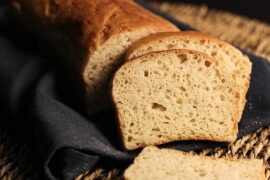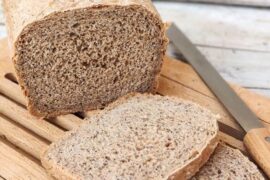
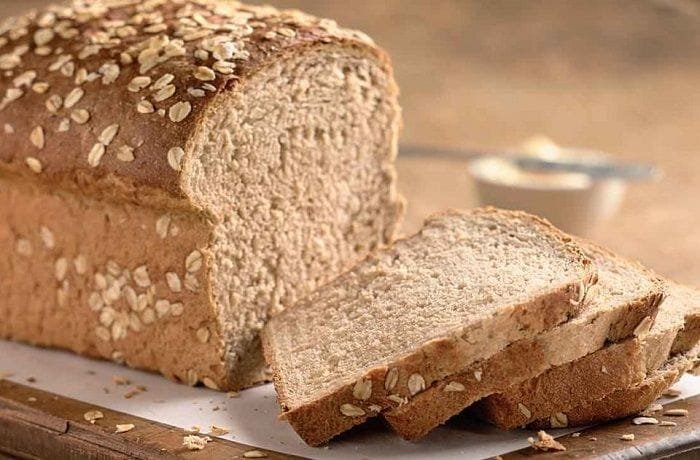
Homemade oat bread, or pan de avena, is a loaf of whole wheat flour, bread flour, and oat flour leavened with dry yeast, sweetened with a spoonful of honey, and topped with rolled oats before baking. It takes about 3 hours and 25 minutes of preparation, mostly rising time, and 1 hour in the oven, and makes a 1 kg loaf of about 12 slices.
Sometimes called monastery bread, it has a thick, crunchy crumb and comes from the north of England, where it has been eaten for hundreds of years.
How to Make Oat Bread?
The yeast is dissolved in part of the water, mixed with the three flours, honey, and the rest of the water, and kneaded for 10 minutes. The dough rises twice, first in a bowl and then shaped in the loaf pan, and is brushed with water and sprinkled with oats before baking. It is ideal for breakfast or afternoon tea, spread with butter or honey.
Nutritional Information
Each slice of homemade oat bread contains approximately 150 kcal, 28 g of carbohydrates, 3 g of fat, 4 g of protein, 3 g of fiber, 5 g of sugars, 0 mg of cholesterol, and 270 mg of sodium. These values are estimates and may vary depending on ingredients and portion sizes.
Homemade Oat Bread Recipe
Preparation: 3 hours 25 minutes (including rising)
Cooking: 60 minutes
Servings: 12 slices
Ingredients
- 350 ml (1½ cups) of water
- 250 g (2 cups) of whole wheat flour
- 125 g (1 cup) of bread flour
- 125 g (1 cup + 2 tablespoons) of oat flour
- 10 g (1 tablespoon) of dry yeast
- 1½ teaspoons of salt
- 1 tablespoon of honey
- Rolled oats, for topping

Instructions
- Pour 100 ml of the water into a bowl, sprinkle the yeast over it, stir until dissolved, and let rest for 5 minutes.
- Mix the flours in a large bowl, make a well in the center, and add the yeast mixture and the liquid honey. Add 125 ml of water, mix in the flour, and then add the rest of the water, stirring constantly, until you get a sticky but firm dough.
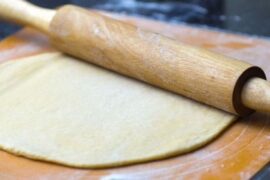
- Turn the dough out onto a surface lightly dusted with oat flour and knead for 10 minutes until elastic and smooth. Move it to a clean bowl, cover with a kitchen towel, and let it rise for 1½ to 2 hours, until doubled in size. Punch it down and let it rest 10 more minutes.
- Butter a 1 kg (2 lb) loaf pan and preheat the oven to 180°C (356°F) for about 10 minutes.
- Shape the dough and place it in the pan seam side down, cover again with a kitchen towel, and let it rise for 60 minutes or until doubled.
- Brush the top lightly with water and sprinkle with rolled oats.
- Bake in the preheated oven for 1 hour, or until the bread turns a deep golden brown and sounds hollow when tapped. Unmold the oat bread and cool it on a wire rack.
Additional Tips
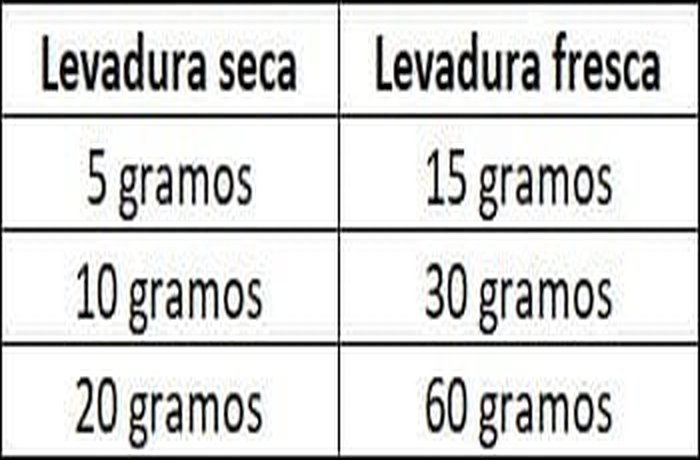
Fresh yeast works too
If you prefer fresh yeast, use about three times the weight of dry yeast and dissolve it the same way in the first 100 ml of water.
Do not rush the rises
Both rises need the dough to double. Cutting them short gives a dense, compact crumb.
Cool before slicing
Let the loaf cool completely on the rack so the crumb sets and the base does not turn soggy.
| Original ingredient | Substitute | Ratio | Flavor note |
|---|---|---|---|
| Dry yeast | Fresh yeast | 30 g | Same rising times |
| Oat flour | Blended rolled oats | 125 g | Slightly coarser crumb |
| Honey | Sugar | 1 tablespoon | Less aroma |
| Bread flour | All purpose flour | 125 g | Softer, less chewy loaf |
Frequently Asked Questions (FAQs)
1. How do I get a fluffy oat bread?
Dissolve the yeast well in 100 ml of water and let it rest 5 minutes, knead for about 10 minutes until the dough is elastic, and respect both rises until the dough doubles each time. If you shorten them, the crumb ends up dense.
2. How long does oat bread need to rise?
It has two rises. The first lasts 1½ to 2 hours in a covered bowl, until doubled. Then the dough is punched down, rested 10 minutes, shaped, and left in the pan for another 60 minutes. That is why the full preparation takes about 3 hours and 25 minutes.
3. How do I know when oat bread is done?
It is ready when it turns a deep golden brown and sounds hollow when tapped, after about 1 hour in an oven preheated to 180°C (356°F). Unmold it right away and cool it on a wire rack.
4. Where does oat bread come from?
It originated in the north of England, where it has been eaten for hundreds of years, and is sometimes called monastery bread. It is usually eaten at breakfast or teatime with butter or honey.
Benefits of Oats
Eating oats regularly can help maintain healthy cholesterol levels thanks to their soluble fiber, and their slow release carbohydrates provide steady energy.

Did You Know?
Oats were domesticated thousands of years ago in Europe and Western Asia, and today they are a staple food in the diet of many cultures.
How to adapt this recipe to a vegan or vegetarian version?
How to adapt this recipe to a gluten-free version?
How to adapt this recipe to a keto (ketogenic) version?
Recommended
- Chilean Honey Bread Recipe
- Homemade Sourdough Bread Recipe
- Homemade Oat Water Recipe
- Golden Milk Recipe