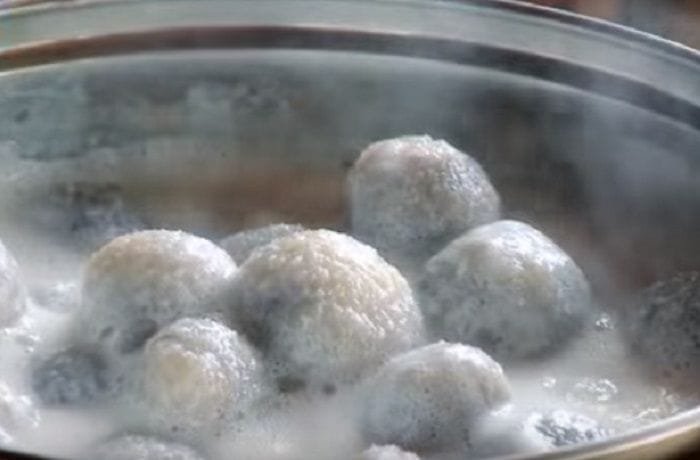
Bolitas de indio, sometimes also called milcaos con leche, are a traditional Mapuche dessert found all over southern Chile: small dumplings of grated raw potato simmered in milk sweetened with sugar and scented with cloves and orange zest. They take 20 minutes of prep and 10 minutes of cooking.
The result is a simple, comforting dessert served cold in the same milk it cooked in, with a texture somewhere between a dumpling and a gnocchi and a bright citrus aroma running through it.
How to Make Bolitas de Indio?
Bolitas de indio are a dessert made from potatoes and milk, sweetened with sugar and spiced with cloves and orange zest, perfect to enjoy in any season.
Nutritional Information
Each serving of bolitas de indio (250 g) contains approximately 300 kcal, 7 g of protein, 10 g of total fat (5 g of saturated fat), 25 mg of cholesterol, 40 g of carbohydrates (25 g of sugars), and 100 mg of sodium. These values are estimates and may vary depending on ingredients and portion sizes.
Homemade Chilean Bolitas de Indio Recipe
Preparation: 20 minutes
Cooking: 10 minutes
Servings: 4 people
Ingredients
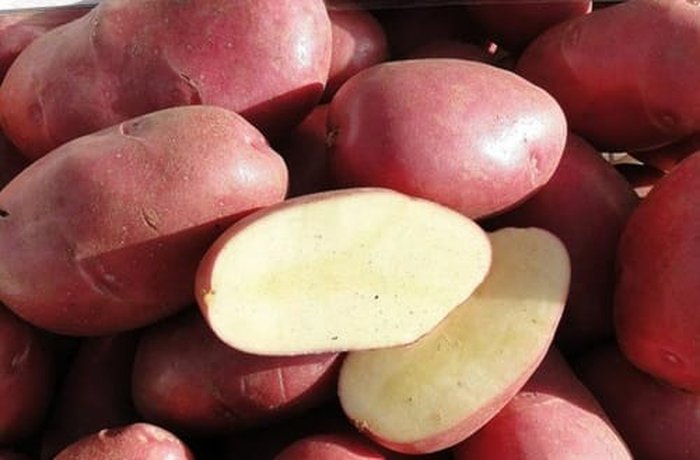
- 4 large potatoes
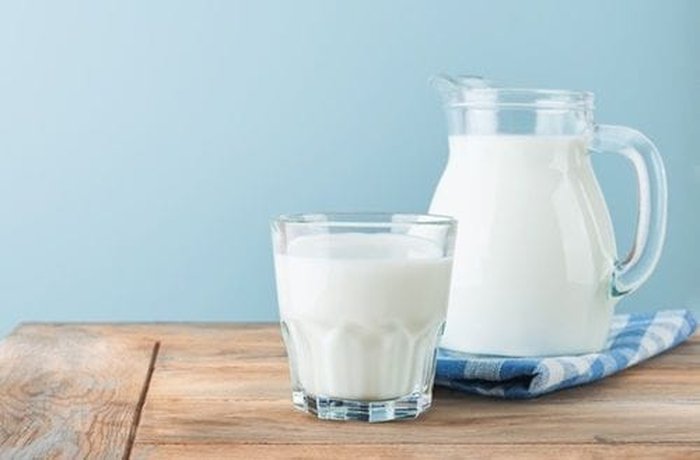
- 1 liter (34 fl oz) of milk
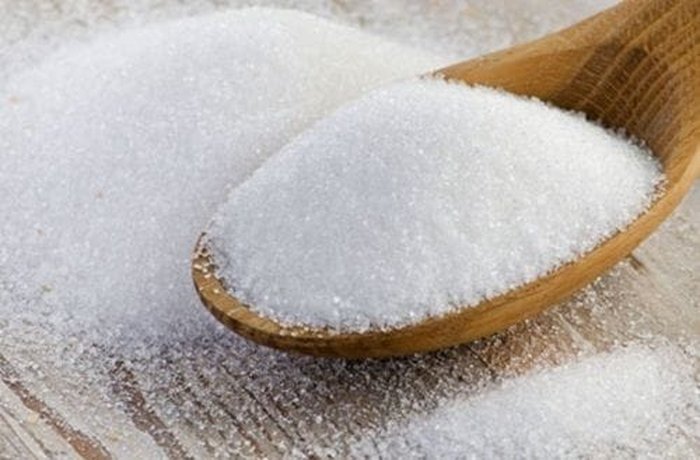
- 100 g (3.5 oz) of sugar
- 2 cloves
- Orange zest
Instructions
- Peel and wash the potatoes, grate them carefully on a hand grater, set aside in a bowl, and squeeze them in a clean cloth until all the moisture is extracted.
- In a medium pot add the milk, the sugar, the cloves, and 2 teaspoons of orange zest, heat over medium heat until just before boiling, then lower the heat and keep it there.
- With the grated potato, shape small balls of dough by hand, about 3 to 4 centimeters (1.2 to 1.6 inches) in diameter, drop them into the hot milk, cook over medium-low heat for about 10 minutes, lift them out with a slotted spoon, and set aside on a dish until cool.
- Serve the bolitas de indio in individual dessert bowls bathed in the cooking milk, cold, and optionally decorated with a few mint leaves.
Additional Tips
Squeeze the potato dry
The drier the grated potato, the firmer the dumplings. Wrap it in a clean kitchen cloth and wring it out over the sink until no more liquid drips out before shaping the balls.
Keep the milk below boiling point
A rolling boil breaks the dumplings apart. Bring the milk to the point just before it boils, then hold it at a gentle simmer for the whole cooking time.
Let them chill in the milk
The dessert improves after a few hours in the refrigerator, because the dumplings absorb the clove and orange flavors from the sweetened milk and the texture becomes firmer.
| Original ingredient | Substitute | Ratio | Flavor note |
|---|---|---|---|
| Whole milk | Oat or almond milk | 1:1 | Lighter, slightly nutty |
| Granulated sugar | Chancaka or brown sugar | 1:1 | Darker color, molasses notes |
| Cloves | Cinnamon stick | 2 cloves : 1 stick | Warmer, less pungent |
| Orange zest | Lemon zest | 1:1 | Sharper, more acidic aroma |
Frequently Asked Questions (FAQs)
1. Can I use cooked potatoes instead of raw ones?
This recipe needs raw grated potatoes, because their natural starch is what lets the dumplings hold their shape during cooking without any additional binder.
2. Can they be eaten warm?
Traditionally they are served cold, bathed in the cooking milk, although they can also be eaten lukewarm, especially if prepared right before serving.
3. Can I use plant-based milk in the recipe?
You can use unsweetened plant-based milk (almond or oat) if you want a lactose-free or vegan version of the dessert.
4. Why do my dumplings fall apart in the milk?
Usually because the grated potato still holds too much water. Squeeze it hard in a clean cloth until no more liquid comes out, and keep the milk at a gentle simmer instead of a rolling boil.
What Are Bolitas de Indio?
Bolitas de indio are small dumplings made of grated raw potato, poached in milk sweetened with sugar and flavored with cloves and orange zest, and served cold in that same milk. They belong to the Mapuche culinary tradition of southern Chile, where the potato is a staple ingredient in both savory and sweet preparations.
History of Bolitas de Indio in Chile
Mapuche cuisine promotes the use of local ingredients and a connection with nature, encouraging sustainability and respect for the environment. It is versatile and adapts to the seasons of the year, developing a culinary creativity that shows in the way ingredients and flavors are combined, and this dessert is one of its clearest examples.
Did You Know?
Traditionally, Mapuche cooking is based on respect for nature and for the seasons of the year, that is, respect for Ñuke Mapu (Mother Earth), historically practiced by women, who pass down the knowledge of their people from mothers to daughters.
How to adapt this recipe to a vegan or vegetarian version?
How to adapt this recipe to a gluten-free version?
How to adapt this recipe to a keto (ketogenic) version?
Recommended
- Chilean Pine Nuts in Syrup Recipe
- Chilean Sustancias Dulces Recipe
- Chilean Honey Cookies Recipe
- Chilean Conejitos Recipe