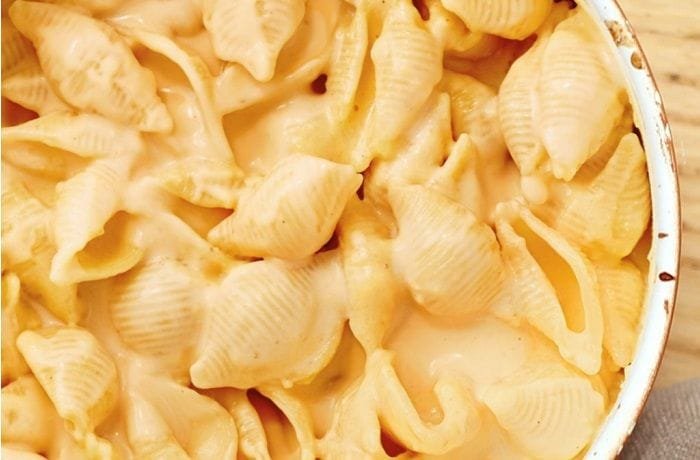
Caracoquesos are a comforting, homemade dish, especially popular with kids in Chilean households, made by boiling shell-shaped pasta (conchiglie) and coating it in a creamy cheese sauce.
They stand out for their silky texture and the way the shell shape traps the sauce inside each piece, making them a quick, inexpensive, and satisfying meal for any weeknight.
How to Make Chilean Caracoquesos?
Caracoquesos come together with shell pasta boiled until al dente and a simple stovetop cheese sauce built from butter, flour, milk, and melted cheese, ready in about 20 minutes.
Nutritional Information
Each serving of caracoquesos contains approximately 710 kcal, 30 g of protein, 29 g of fat (17 g saturated), 82 g of carbohydrates, 4 g of fiber, 5 g of sugars, 60 mg of cholesterol, and 810 mg of sodium. (*)
(*) Values may vary depending on ingredients and portion sizes.
Homemade Caracoquesos Recipe
Prep time: 20 minutes
Cook time: 15 minutes
Servings: 4 people
Ingredients
- 400 g shell pasta (conchiglie)
- 400 ml whole milk
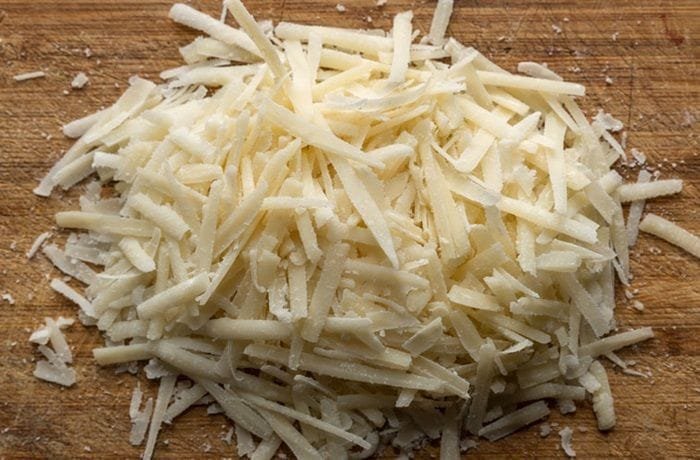
- 200 g Parmesan cheese
- 2 tablespoons flour
- 2 tablespoons butter
- Sunflower oil
- Fine salt
- Black pepper
Instructions
- Fill a large pot about 3/4 full with water, add a teaspoon of salt and a splash of oil, bring to a boil over high heat. Add the pasta and gently stir a few seconds with a wooden spoon.
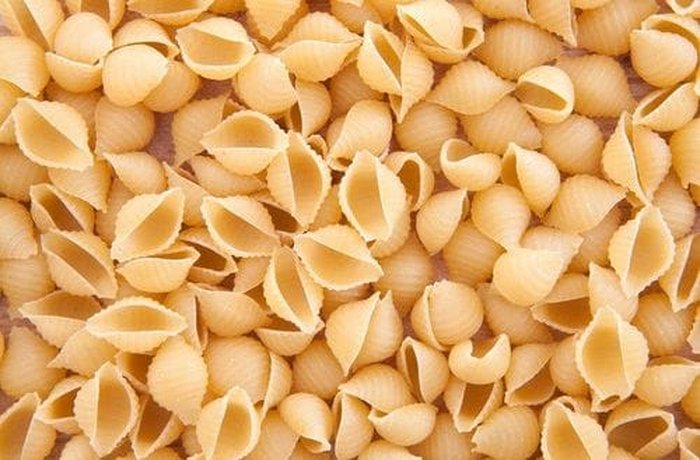
- Bring back to a boil and from that point keep cooking for the time indicated on the package, check for doneness, and drain carefully. In a small pot, melt the butter over medium heat, stir in the flour, and mix until you get a smooth, lump-free paste.

- Add the milk little by little while stirring constantly until fully combined, raise the heat slightly, bring to a boil, and add the chopped or grated cheese, stirring gently until fully melted and the sauce is lightly thickened. Taste and adjust salt and pepper if needed.
- Pour the cheese sauce over the freshly drained pasta and toss gently with a wooden spoon. Serve the caracoquesos right away, on their own or alongside a beef steak or a grilled chicken breast. If reheating leftovers, add a splash of milk or cream to loosen the sauce.
Additional Tips
Adjust the Sauce Thickness to Taste
If you want a thinner sauce, add a little more milk or a splash of cream. For a thicker sauce, cook it for a couple more minutes to reduce.
Boost the Flavor With Spices
For a deeper flavor, grate a bit of fresh nutmeg into the sauce. A touch of garlic powder or onion powder also adds an extra layer of flavor.
Combine Cheeses for a More Complex Sauce
Mixing melty cheeses like Parmesan, cheddar, gouda, or mozzarella gives a creamier texture and a more layered flavor than using just one type.
| Substitution | Use instead of | Effect |
|---|---|---|
| Elbow macaroni or any short pasta | Shell pasta | Similar result, less sauce trapped inside |
| Skim or plant-based milk | Whole milk | Lighter, less rich sauce |
| Olive oil | Butter | Lighter roux, slightly different flavor |
| Grilled chicken or crispy bacon | Plain pasta | Heartier, protein-added main dish |
Frequently Asked Questions (FAQs)
1. What’s the best cheese for caracoquesos?
Cheeses that melt easily and add flavor work best, like Parmesan, cheddar, gouda, or mozzarella. You can combine them for a creamier texture and more complex flavor.
2. How do I keep the cheese sauce from getting lumpy?
For a smooth, lump-free sauce, add the milk little by little while stirring constantly. Keep the heat on medium-low and keep whisking so the mixture stays even.
3. What other ingredients can I add to this recipe?
Caracoquesos are very versatile. You can add proteins like grilled chicken, ground beef, crispy bacon, or sausage, or vegetables like broccoli, peas, or spinach.
4. Can I make a healthier version?
Yes. Use skim or plant-based milk, and swap the butter for a bit of olive oil. For extra nutrients, add vegetables like broccoli or carrots to the pasta water.
What Is Shell Pasta?
Shell pasta, also known as conchiglie, originated in Italy, where its distinctive shape mimics small snail shells or seashells; it’s especially popular for how well it holds sauce inside each piece.
History of Caracoquesos in Chile
Caracoquesos are something like a Chilean take on American mac and cheese, and packaged versions with pasta and dehydrated cheese, to which butter and milk are added during preparation, are widely available today.
Did You Know?
The shell shape of conchiglie isn’t just decorative, it’s functional: the curved interior is specifically designed to cradle thick sauces, which is why it’s a favorite pasta shape for cheese-based dishes across many cuisines.
How to adapt this recipe to a vegan or vegetarian version?
How to adapt this recipe to a gluten-free version?
How to adapt this recipe to a keto (ketogenic) version?
Recommended
- Chilean Tuna and Avocado Tartare
- Chilean Pumpkin Cream Soup
- Chilean Zucchini Loaf
- Chilean Mongolian Chicken