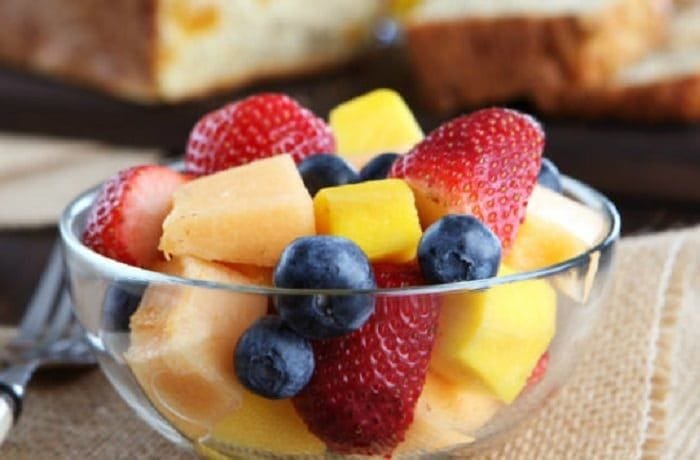
This Chilean fruit salad combines fresh strawberries, blueberries, green apple, and orange, topped with a light dressing of plain yogurt, honey, and chopped mint. It takes 15 minutes to prepare, needs no cooking, and serves 4.
It is a simple, refreshing dessert that showcases the quality of Chilean fruit, and it works just as well as a healthy breakfast or an afternoon snack on a hot day.
How to Make a Fruit Salad with Yogurt?
A fruit salad with yogurt is made by washing and cutting the freshest fruit available, dividing it among dessert bowls, and spooning over a dressing of plain yogurt mixed with honey and chopped mint just before serving.
Nutritional Information
Each serving of fruit salad contains approximately 180 kcal, 5 g of protein, 3 g of total fat (1 g of saturated fat), 35 g of carbohydrates, 25 g of sugars, and 10 mg of sodium. These values are estimates and may vary depending on ingredients and portion sizes.
Homemade Chilean Fruit Salad Recipe
Preparation: 15 minutes
Servings: 4
Ingredients
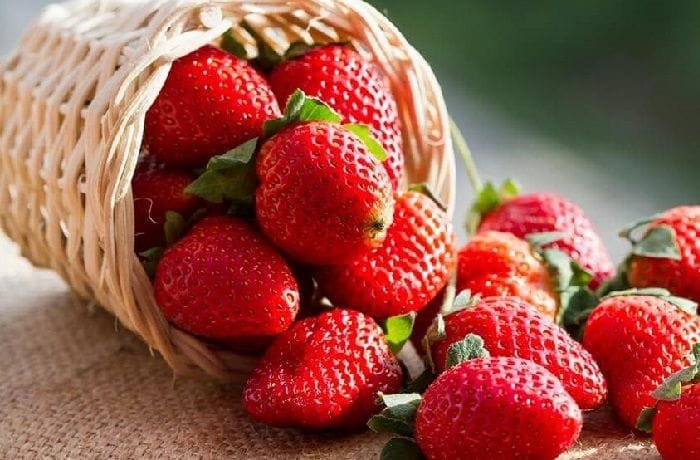
- 1 cup of strawberries
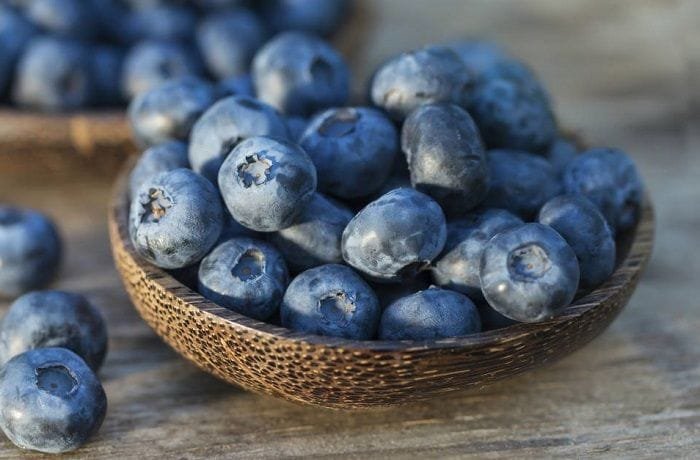
- 1 cup of blueberries
- ½ green apple
- ½ orange
- 1 cup of plain yogurt
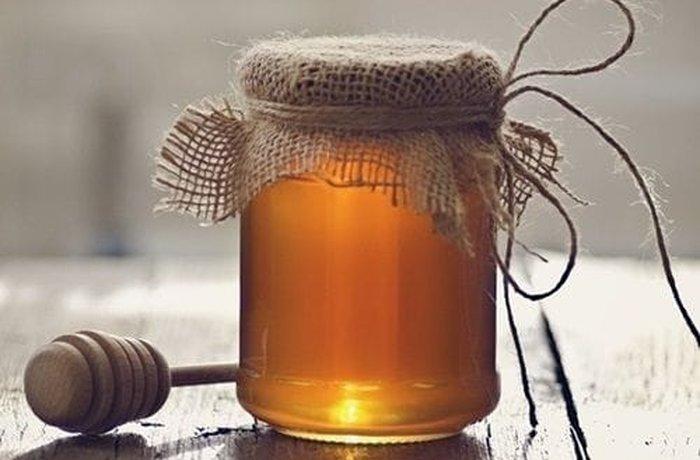
- 2 teaspoons of honey
- 2 mint leaves

Instructions
- Wash all the fruit well in cold water, removing any surface dirt. Remove the green tops from the strawberries and cut them into quarters.
- Remove any stems from the blueberries, cut the apple into wedges, and peel the orange and separate it into clean segments. In a medium bowl, mix the yogurt, honey, and chopped mint until combined.
- Divide the fruit evenly among dessert bowls and top each one with 2 tablespoons of the yogurt mixture. Serve right away, fresh and well chilled.
Additional Tips
Serve it any time of day
Enjoy it as a refreshing breakfast, a light snack on a summer afternoon, or a dessert after the main course.
Add some crunch
Sprinkle a few nuts or seeds of your choice on top for an extra layer of texture and flavor.
Keep the apple from browning
Toss the apple wedges with a few drops of orange or lemon juice if you are not serving the salad immediately.
| Original ingredient | Substitute | Ratio | Flavor note |
|---|---|---|---|
| Honey | Agave syrup | 1:1 | Neutral sweetness, vegan |
| Plain yogurt | Coconut yogurt | 1:1 | Vegan, tropical note |
| Blueberries | Raspberries | 1:1 | More tart |
| Green apple | Pear | 1:1 | Softer, sweeter |
Frequently Asked Questions (FAQs)
1. When is the best time to eat fruit salad?
It is ideal as a nutritious breakfast, a light dessert after lunch, or a healthy afternoon snack, especially during the hot months.
2. Can I use another sweetener instead of honey?
Yes. Agave syrup, a few drops of liquid stevia, or a teaspoon of brown or powdered sugar all work. Adjust to taste.
3. How can I make this fruit salad vegan?
Replace the yogurt with a coconut or almond yogurt and swap the honey for maple or agave syrup.
4. How long does fruit salad keep in the fridge?
For the best texture and flavor, eat it right away or store it in an airtight container in the fridge for no more than 24 hours.
Vitamins and Minerals
This fruit salad is an excellent source of vitamin C, natural antioxidants, and dietary fiber. It also provides minerals such as potassium and magnesium, which help with hydration and muscle function.
What Makes Chilean Fruit Special?
Chile’s long, varied territory and its counter seasonal harvests make it one of the world’s leading fruit exporters, and berries such as blueberries are among its best known exports. At home, Chileans enjoy that same fruit fresh and simply prepared, as in this salad.
Did You Know?
The Chilean strawberry, Fragaria chiloensis, is one of the two parents of the garden strawberry eaten around the world today, born from a cross with a North American species in Europe in the eighteenth century.
How to adapt this recipe to a vegan or vegetarian version?
How to adapt this recipe to a gluten-free version?
How to adapt this recipe to a keto (ketogenic) version?
Recommended
- Chilean Fruit Tartlet Recipe
- Chilean Sangria with Pisco and Blueberries Recipe
- Chilean Milk Kefir Yogurt de Pajaritos Recipe
- Chilean Homemade Raspberry Jam Recipe