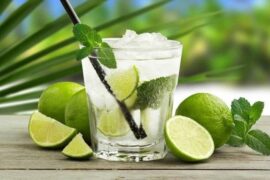
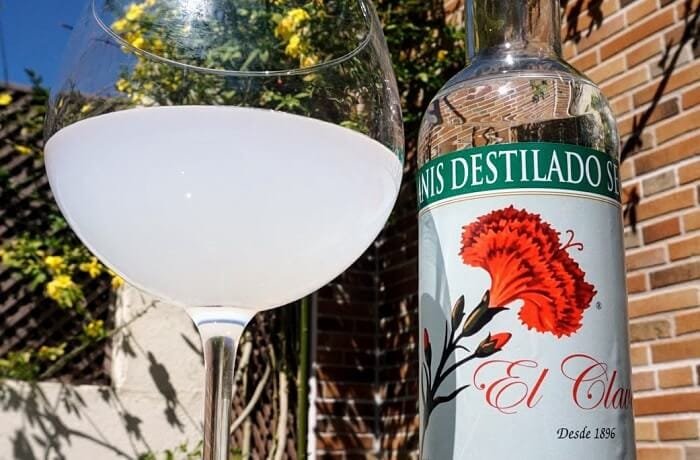
The Chilean palomita blanca, or paloma, is a simple aperitif made by pouring 2 parts of dry anise liqueur into a tall glass and slowly adding 4 parts of cold mineral water until the drink turns milky white, served with a little ice. It takes 5 minutes to prepare and serves 1 person.
Of Spanish origin, it was very common in the bars of old Santiago and is somewhat forgotten today, although its cloudy white look makes it very distinctive.
How to Make a Palomita Blanca?
The palomita blanca mixes dry anise and mineral water to taste. When they combine, the clear spirit turns cloudy and milky, which gives the drink its name.
Nutritional Information
Each palomita blanca contains approximately 150 kcal, 0 g of carbohydrates, 0 g of fat, 0 g of protein, and 0 mg of sodium. These values are estimates and may vary depending on ingredients and portion sizes.
Homemade Chilean Palomita Blanca Recipe
Preparation: 5 minutes
Servings: 1 person
Ingredients
- 2 measures of dry anise liqueur
- 4 measures of very cold mineral water
- Ice to taste
Instructions
- Pour the dry anise into a clean, dry tall glass. Add the cold water little by little until the mixture turns white.
- Serve the palomita blanca right away, with one or two ice cubes if you like, adjusting with more mineral water if needed.
Additional Tips
Use very cold water
Cold water makes the milky effect more stable and pronounced and softens the strength of the anise, which is usually around 40% alcohol.
Pour slowly
Adding the water gradually lets you watch the drink turn white and stop at the strength you prefer.
Choose a dry anise
Dry anise, not sweet, is the classic choice for a paloma.
| Original ingredient | Substitute | Ratio | Flavor note |
|---|---|---|---|
| Dry anise | Ouzo or pastis | 1:1 | Similar louche effect |
| Still mineral water | Sparkling water | 1:1 | Fizzier, more refreshing |
| Ice | No ice, chilled glass | Stronger aroma | |
| 2:4 ratio | 1:3 ratio | Lighter drink |
Frequently Asked Questions (FAQs)
1. What kind of anise is used?
Dry anise, also known as cazalla. In Chile, Spanish dry anise brands are commonly used, although any dry anise liqueur works.
2. Why does the drink turn white?
It is the ouzo or louche effect: when the spirit is diluted, the anise essential oils such as anethole no longer dissolve and form a milky emulsion. It is completely natural.
3. Can I use sparkling water?
Yes. It slightly changes the texture and adds bubbles, making it more refreshing for hot weather.
4. How strong is it?
Dry anise usually has 35 to 45% alcohol, so diluted 1:2 or 1:3 the drink ends up around 12 to 15% alcohol.
What Is a Palomita Blanca?
The palomita blanca is a Chilean name for the Spanish paloma, an aperitif of dry anise and cold water that turns cloudy white, once popular in the old bars of Santiago.
Origin and History
The drink is believed to have spread in Chile in the early 20th century along with Spanish anise liqueurs, and the name palomita blanca may play on its color or on Enrique Lafourcade’s 1971 novel of the same name.
Did You Know?
Anise liqueurs are distilled from green anise (Pimpinella anisum) or star anise (Illicium verum), and their essential oil, anethole, is what makes them turn cloudy with water.