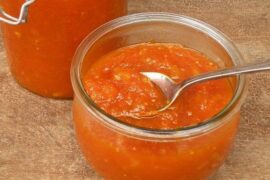
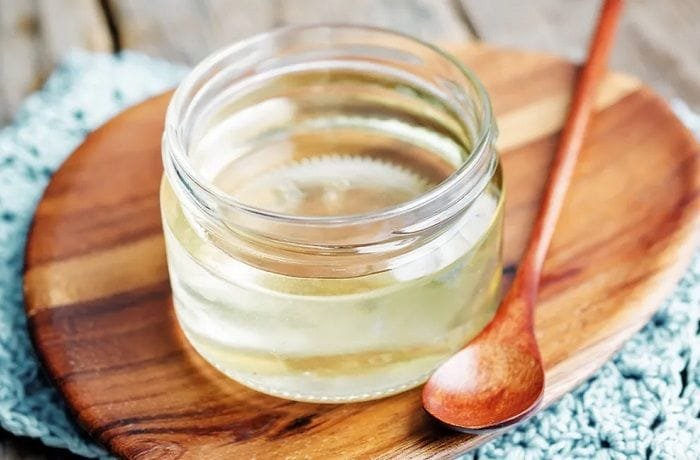
Homemade invert sugar is a syrup of sugar, water, and a little lemon juice heated to 100°C (212°F) so the acid splits the sucrose into glucose and fructose, cooled to 50°C (122°F), neutralized with baking soda, and jarred. It takes 10 minutes of preparation and 20 minutes of cooking, and keeps up to 12 months in the fridge.
An uncommon ingredient in home kitchens that keeps doughs moist, helps fermentation, and makes ice cream smoother.
How to Make Invert Sugar at Home?
There are several methods, but the home version adds citric acid, in the form of lemon juice, to the syrup to cause hydrolysis. Control the temperature with a kitchen thermometer.
Nutritional Information
One tablespoon of invert sugar contains approximately 60 kcal, 16 g of carbohydrates, 0 g of fat, 0 g of protein, 0 g of fiber, 16 g of sugars, 0 mg of cholesterol, and 0 mg of sodium. These values are estimates and may vary depending on ingredients and portion sizes.
Homemade Invert Sugar Recipe
Preparation: 10 minutes
Cooking: 20 minutes
Servings: About 500 g (1½ cups)
Ingredients
- 375 g (1¾ cups plus 2 tablespoons) of sugar
- 150 ml (⅔ cup) of water
- 1 teaspoon of lemon juice
- 1 teaspoon of baking soda

Instructions
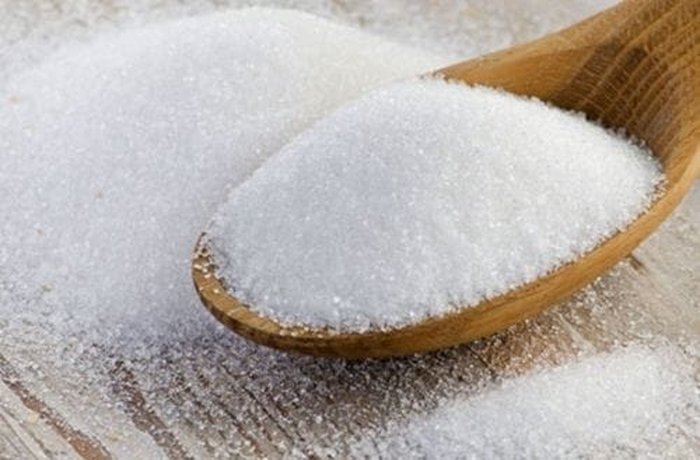
- In a medium nonstick saucepan, combine the water, sugar, and lemon juice and stir gently with a wooden spoon to dissolve, avoiding splashes and leaving no sugar crystals stuck to the sides of the pan.
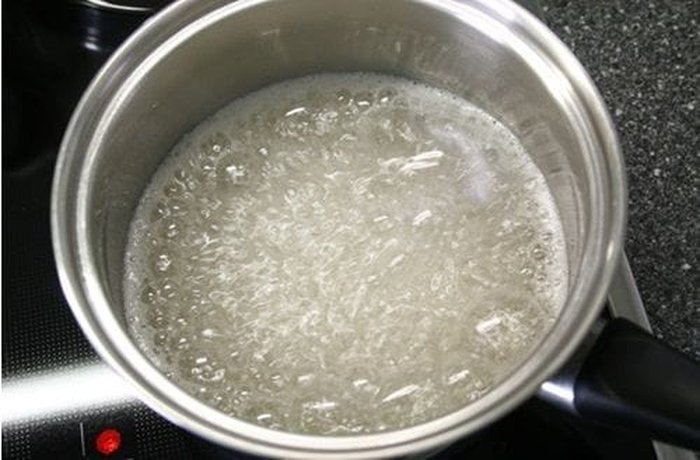
- Heat over medium high, checking the temperature with a probe or infrared kitchen thermometer, until it reaches 100°C (212°F), and remove from the heat immediately. Let it cool at room temperature until the syrup drops to 50°C (122°F).
- Once it reaches that temperature, about 15 minutes later, add the baking soda and stir in very well. Pour into a sterilized glass jar and store in the refrigerator for up to 12 months.
Additional Tips
Fermented doughs
Replace 50% of the sugar with invert sugar: for 100 g of sugar, use 50 g of granulated sugar and 50 g of invert sugar.
Ice cream
Replace 30% of the sugar: for 100 g, use 70 g of granulated sugar and 30 g of invert sugar.
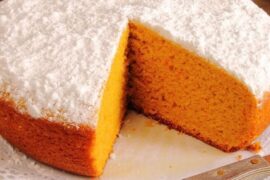
Sponge cakes
Replace 20% of the sugar: for 100 g, use 80 g of granulated sugar and 20 g of invert sugar.
Clean spoon
Always use a clean spoon to take it from the jar so it does not spoil.
| Original ingredient | Substitute | Ratio | Flavor note |
|---|---|---|---|
| Lemon juice | Citric acid | 1 g | More precise |
| Sugar in doughs | Invert sugar | 50% | Moister, faster fermentation |
| Sugar in ice cream | Invert sugar | 30% | Smoother, less crystallization |
| Sugar in cakes | Invert sugar | 20% | Stays tender longer |
Frequently Asked Questions (FAQs)
1. How long does homemade invert sugar keep?
Up to 12 months in the refrigerator in a sterilized glass jar. Pour it in once it has cooled to about 50°C and the baking soda is mixed in, and always use a clean spoon.
2. Why add baking soda?
It neutralizes the acidity of the lemon juice, which was needed to hydrolyze the sucrose. Add it when the syrup has cooled to about 50°C, around 15 minutes after taking it off the heat.
3. Why is it called invert sugar?
Because of its optical properties. Sucrose rotates polarized light clockwise, while the mixture of fructose and glucose obtained after hydrolysis rotates it the opposite way.
4. Why should no sugar crystals stay on the sides of the pan?
Undissolved crystals can make the syrup crystallize as it heats. Stir gently at first, avoid splashes, and use a nonstick pan before raising the heat to 100°C.
What Is Invert Sugar?
Invert sugar comes from common sugar (sucrose), which hydrolysis breaks down into its basic components, fructose and glucose.
What Is Invert Sugar Used For?
It is sweeter than granulated sugar, so you need less of it. Yeasts process its fructose and glucose more efficiently than sucrose, it keeps doughs moist and tender for longer, and in ice cream making it hinders sugar crystallization for a smoother result.

Did You Know?
The term invert refers to optics. Sucrose is dextrorotatory, turning polarized light clockwise, while the mixture of its components is levorotatory and turns it counterclockwise, so the rotation is inverted.
How to adapt this recipe to a vegan or vegetarian version?
How to adapt this recipe to a gluten-free version?
How to adapt this recipe to a keto (ketogenic) version?
Recommended
- Chilean Homemade Manjar Recipe
- Homemade Liquid Caramel for Flan Recipe
- Chilean Sponge Cake Recipe
- Chilean Murta Berry Ice Cream Recipe