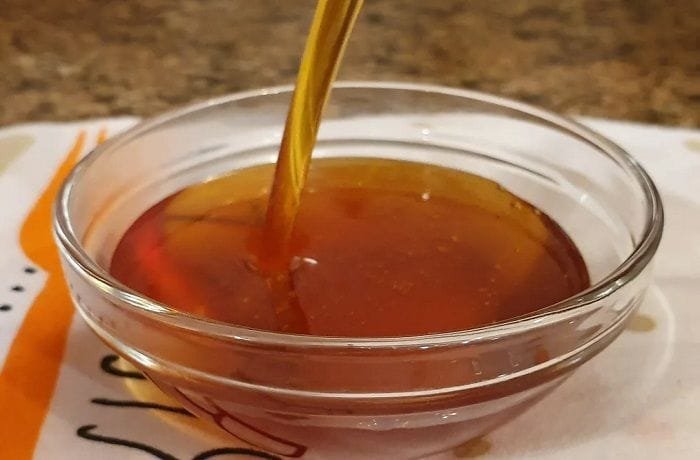
Homemade liquid caramel, or caramelo líquido, is sugar cooked with a little water until amber, then loosened with warm water into a smooth, pourable syrup for flan and other desserts. It takes 10 minutes of preparation and about 20 minutes of cooking, and serves 4.
Contrary to what many people think, it is very easy to make, as long as you work carefully because of the high temperatures involved.
How to Make Liquid Caramel?
The sugar is melted with 50 ml of water over low heat until it turns a honey color. Warm water is then added a spoonful at a time, and then the rest little by little, stirring until the caramel is smooth and fluid. It is cooled and stored in a sterilized jar.
Nutritional Information
Each serving of liquid caramel contains approximately 200 kcal, 0 g of protein, 0 g of fat, 50 g of carbohydrates, 50 g of sugars, 0 g of fiber, and 0 mg of sodium. These values are estimates and may vary depending on ingredients and portion sizes.
Homemade Liquid Caramel Recipe
Preparation: 10 minutes
Cooking: 20 minutes
Servings: 4
Ingredients
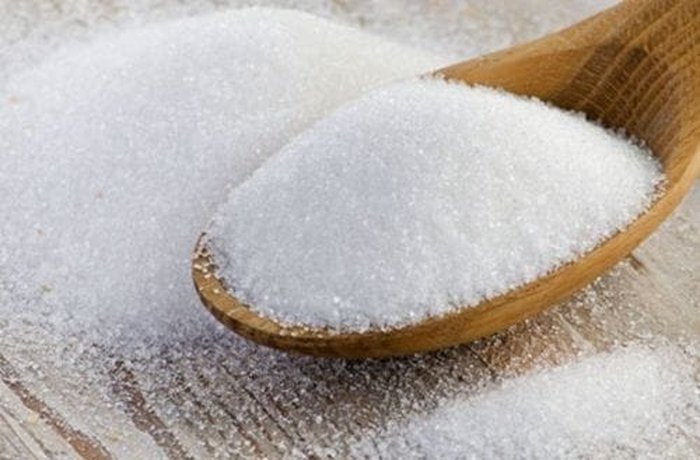
- 200 g (1 cup) of sugar
- 150 ml (⅔ cup) of warm water
- 50 ml (3½ tablespoons) of cold water
Instructions
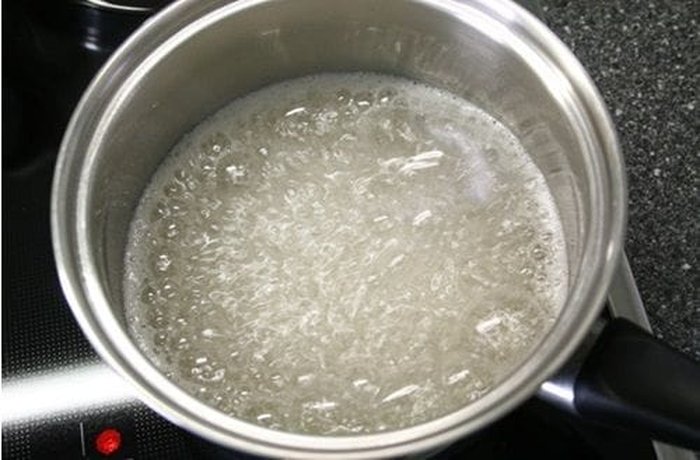
- In a small pot or kettle, heat 150 ml of water to about 60°C (140°F) and set aside. In a medium pot, add the sugar and the 50 ml of cold water and heat over low heat until it starts to bubble and the sugar melts, turning a honey color.
- Stir carefully with a heat resistant spatula, watching closely since it can burn easily, until the caramel is even. Wearing kitchen gloves, add a spoonful of the warm water, which will spatter and steam, and stir until smooth.
- Add the rest of the warm water little by little, stirring after each addition, until the caramel is smooth and fluid. Remove from the heat and let cool for 30 minutes. Pour into a sterilized, heat resistant glass jar or bottle.
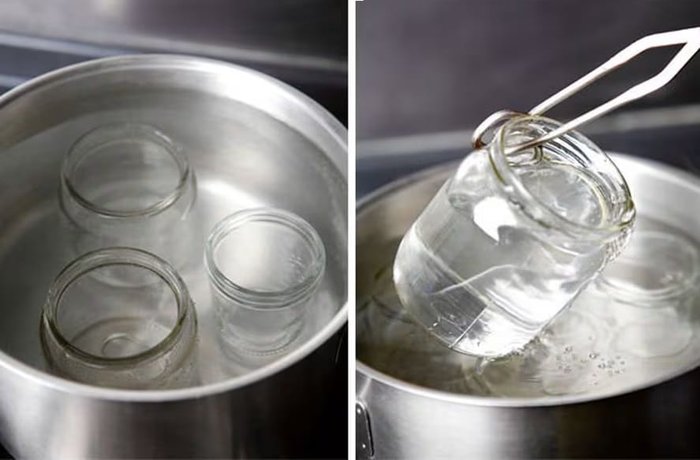
- Close and store in the fridge. Bring the caramel to room temperature before using it on flan, ice cream, coffee, or any other dessert.
Additional Tips
Watch the color
The ideal color is golden amber, like dark honey. If it gets too dark it turns bitter. Take it off the heat a little before the color you want, since it keeps cooking.
Avoid crystallization
Do not stir too much while the sugar melts, and brush any crystals off the sides of the pot with a wet pastry brush.
Reheat if it thickens
If the caramel hardens in the fridge, warm it gently in a water bath or in the microwave for a few seconds.
| Original ingredient | Substitute | Ratio | Flavor note |
|---|---|---|---|
| White sugar | Brown sugar | 1:1 | Darker, molasses notes |
| Water | Orange juice | 1:1 for the warm water | Citrus caramel |
| Plain caramel | Add a pinch of salt | ¼ teaspoon | Salted caramel |
| Wet caramel | Dry caramel (sugar only) | 200 g sugar | Faster, harder to control |
Frequently Asked Questions (FAQs)
1. Why does my caramel crystallize?
Usually from stirring too much while it cooks, or from sugar crystals on the sides of the pot falling back in. Stir as little as possible and wipe the sides with a wet brush.
2. Can I use brown sugar instead of white?
Yes, but the caramel will be darker and deeper in flavor, with molasses notes.
3. How long does liquid caramel keep?
Stored in a sterilized jar in the fridge, it keeps for several weeks, even one or two months.
4. Can I make caramel without water?
Yes, dry caramel uses only sugar, but it is harder to control and burns more easily. Starting with a little water is easier for beginners.
What Is Liquid Caramel?
Liquid caramel is cooked sugar thinned with water so it stays pourable once cold. In Chile it is the classic topping for flan, leche asada, and many homemade desserts, and it is also sold ready made.
Safety First
Caramel reaches temperatures well above boiling water and sticks to skin, so use a heavy pot, a heat resistant spatula, and kitchen gloves, and add the water slowly while standing back from the steam.
Did You Know?
The word caramel came into Spanish through Portuguese and is often traced to the Latin calamellus, a small cane, a reference to sugar cane.
How to adapt this recipe to a vegan or vegetarian version?
How to adapt this recipe to a gluten-free version?
How to adapt this recipe to a keto (ketogenic) version?
Recommended
- Chilean Blackberry Flan Recipe
- Semolina Pudding with Caramel Recipe
- Chilean Calugas Recipe
- Chilean Macho Ruso Milk Pudding Recipe