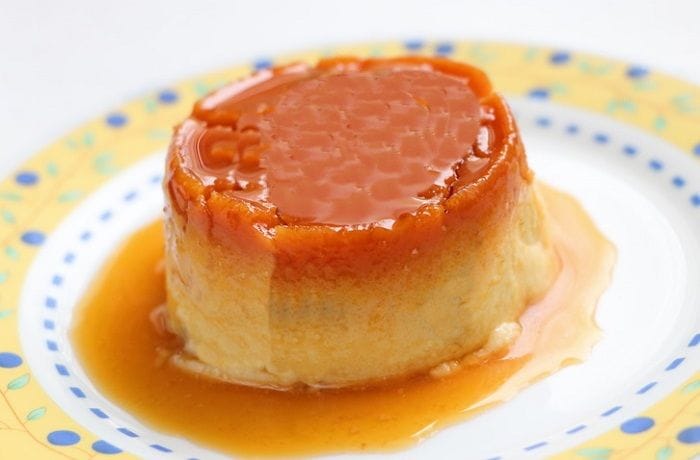
A homemade semolina pudding recipe, without a doubt one of the most popular desserts in Chile, cherished by all generations, and recognized and loved by the entire family.
Nutrition Facts
Each serving of semolina pudding contains approximately 260 kcal, 5 g of proteins, 7 g of total fats (4 g of saturated fats), 20 mg of cholesterol, 46 g of carbohydrates, 40 g of sugars, and 80 mg of sodium.
How to Make Grandma’s Semolina Pudding
Preparing semolina pudding requires very few ingredients: semolina, milk, and a classic caramel sauce made with white sugar and water. This dessert is served cold but is ideal for any time of the year, offering a comforting flavor and a delightful texture.
Prep Time: 25 minutes
Cook Time: 20 minutes
Servings: 8
Ingredients
1. Semolina Pudding
- 1 liter of milk
- 200 g of sugar (1 cup)
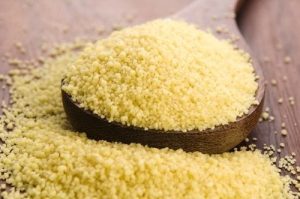
- 130 g of semolina (1 cup)
- 1 tablespoon of vanilla extract
2. Caramel
- 1 cup of sugar
- 1 cup of water
Instructions
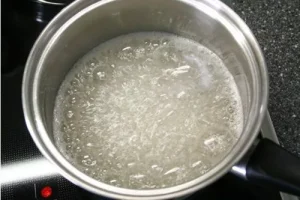
- In a small saucepan, add the sugar and ¼ cup of water, just enough to moisten all the sugar. Heat over medium heat, stirring until dissolved. Keep warm without stirring until the mixture turns a light brown color. Pour the caramel into the base of the molds to be used, either small individual ones or a large one with a diameter of about 18 centimeters, and set aside.
- In a large saucepan, combine the milk, sugar, and vanilla. Heat over medium-high heat, stirring until dissolved. Bring to a boil, reduce the heat to low, and add the semolina in a drizzle while constantly whisking to prevent lumps. Cook for an additional minute. Pour the semolina pudding mixture over the molds covered with caramel.
- Allow it to cool to room temperature and then refrigerate for at least a couple of hours. Immerse the base of the molds in a tray with boiling water for about 5 minutes to melt the caramel and unmold. Serve the semolina pudding immediately, traditionally drizzled with its own caramel, but optionally accompanied by raspberries and/or blueberries.
Tips for Making Semolina
- The Caramel Rule: Once the sugar and water begin to boil, the technical imperative is to stop stirring. Using a spoon at this stage can lower the temperature locally and cause the sugar to crystallize. Remove it from the heat as soon as it reaches a honey-amber color; any darker and the caramel will turn bitter.
- The “Rain” Technique: To ensure a smooth texture without lumps, the semolina must be added to the boiling milk slowly in a constant drizzle (like rain) while whisking vigorously with a wire whisk. Cooking it for just one minute after this point is enough for the starches to gelatinize and set.
- Safe Unmolding: Do not attempt to unmold the pudding while cold. The technical secret is to immerse the base of the mold in boiling water for about 5 minutes. This slightly melts the outer layer of the caramel, allowing the pudding to slide out perfectly onto the plate.
- Infusion Timing: To get the best flavor, add the vanilla extract after the milk has heated but before adding the semolina. This ensures the aromatic oils are evenly distributed throughout the liquid base.
Frequently Asked Questions (FAQ)
1. Can I use plant-based milk?
Yes, though the texture will vary. Oat milk is the best technical substitute due to its natural starch content, which helps maintain creaminess. Avoid highly diluted almond milk, as it may result in a more brittle consistency.
2. Why did my semolina turn out too hard?
This usually happens if the semolina-to-milk ratio was too high or if it was cooked for too long. Semolina continues to absorb moisture as it cools; technically, you should pour it into the molds while it still looks slightly fluid.
3. How can I vary the flavor?
While vanilla is the standard, you can infuse the milk with orange peel, cinnamon sticks, or even star anise to create a more complex aromatic profile before adding the semolina.
What is Semolina?
Semolina is a coarse flour made from durum wheat and is used in various sweet and savory preparations, whether for thickening stews and soups or making desserts.
Did You Know?
In Chile, while the caramel version is the most common, there is a famous regional variant called “Sémola con vino,” where the caramel is replaced by a thick, spiced red wine sauce (made with Chilean wine, cinnamon, and cloves), creating a more “adult” and intensely flavored dessert.