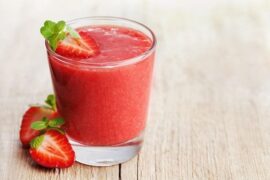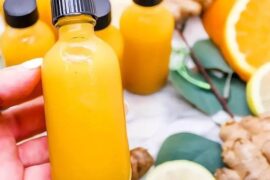
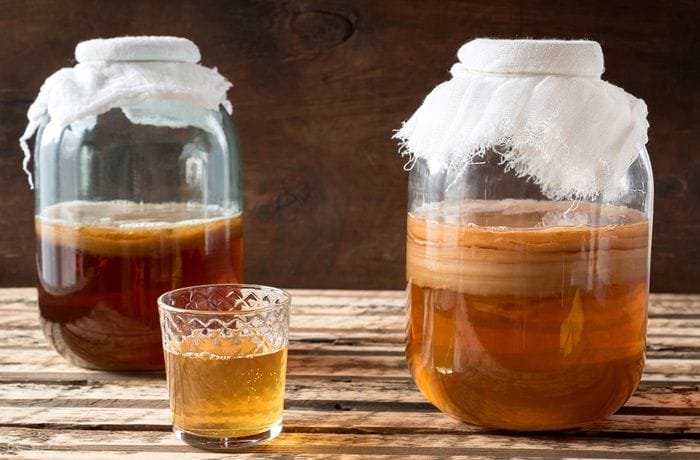
Homemade kombucha is sweetened black or green tea fermented with a SCOBY and 100 ml of starter kombucha for 7 to 10 days, then bottled with fruit or herbs for a 2 to 3 day second fermentation that adds fizz. It takes 30 minutes of preparation and about 10 days of fermentation, and makes 4 servings.
A fermented tea with ancient roots in northeastern China, lightly sour, naturally fizzy, and full of live cultures.
How to Make Homemade Kombucha?
A symbiotic culture of bacteria and yeast (SCOBY) turns sweet tea into a tangy fermented drink, and a second fermentation in bottles adds flavor and bubbles.
Nutritional Information
Each 250 ml serving of homemade kombucha contains approximately 50 kcal, 13 g of carbohydrates, 0 g of fat, 0 g of protein, 0 g of fiber, 12 g of sugars, 0 mg of cholesterol, and 10 mg of sodium. These values are estimates and may vary depending on ingredients and portion sizes.
Homemade Kombucha Recipe
Preparation: 30 minutes (plus 7 to 10 days fermenting)
Cooking: 5 minutes
Servings: 4
Ingredients
- 1 liter (4¼ cups) of filtered water
- 100 ml (⅓ cup + 1 tablespoon) of kombucha (starter)
- 100 g (½ cup) of cane sugar
- 4 black or green tea bags
- 1 SCOBY
- Fruit or herbs to taste

Instructions
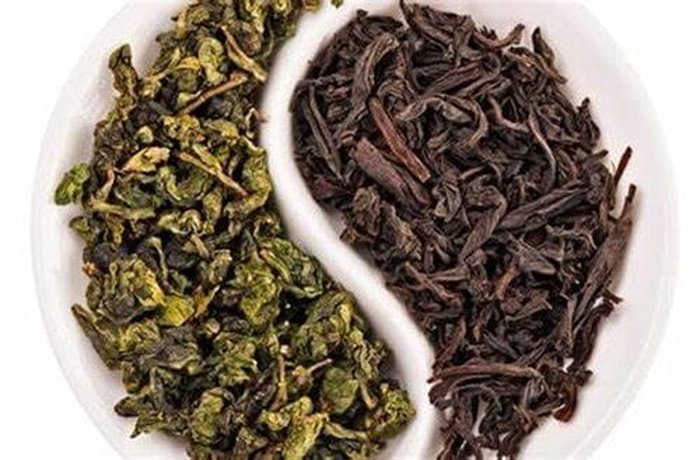
- Bring the water to a boil in a pot. Add the tea bags or loose tea and steep for 5 minutes, then remove the bags or strain. Add the sugar to the hot tea and stir until completely dissolved.
- Let the sweet tea cool to room temperature and pour it into a sterilized glass jar. Add the SCOBY and the starter kombucha. Cover the jar with breathable cloth and a rubber band so air can circulate but insects cannot get in.
- Leave the jar in a dark, cool place for 7 to 10 days, depending on the weather and the flavor you want. After 7 days, taste it; if it is too sweet, let it ferment a few more days.
- Remove the SCOBY and set aside 100 ml of kombucha for the next batch. Pour the rest into glass bottles with fruit or herbs to taste and let it ferment 2 to 3 more days for bubbles. Then refrigerate to stop the fermentation and enjoy it cold.
Additional Tips
Always use a starter
The 100 ml of previous kombucha acidifies the tea, protecting it from unwanted microbes and helping the right cultures take over.
Keep it clean
Sterilize jars and bottles and use clean utensils to avoid contamination.
Burp the bottles
During the second fermentation, open the bottles briefly once a day to release excess pressure.
| Original ingredient | Substitute | Ratio | Flavor note |
|---|---|---|---|
| Black tea | Green tea | 4 bags | Lighter flavor |
| Cane sugar | White sugar | 100 g | Cleaner taste |
| Fruit in bottles | Ginger and lemon | To taste | Spicy and fresh |
| Fruit in bottles | Red berries | A handful | Sweeter, pink color |
Frequently Asked Questions (FAQs)
1. Why do I need a starter?
The starter acidifies the tea, which protects it from contaminants and lets the bacteria and yeasts of the SCOBY dominate the fermentation.
2. What is a SCOBY?
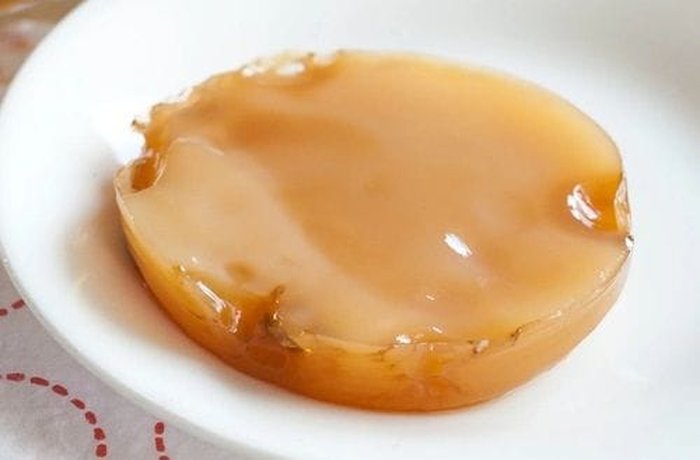
SCOBY stands for symbiotic culture of bacteria and yeast, a gelatinous disc of mainly Acetobacter bacteria and yeasts that ferment the sweet tea into acids, gases, and other flavor compounds.
3. Where can I get a SCOBY in Chile?
Local kombucha makers sell kits with a SCOBY and starter liquid, online marketplaces offer them, and home brewers often share them.
4. How do I know it is ready?
Taste it from day 7. It should be pleasantly tart with only a little sweetness left; ferment a few days more if it is still too sweet.

History of Kombucha
Kombucha has its roots in China, where it has been drunk for a very long time, and it spread to Europe and the Americas in the 20th century. Today it is a popular alternative to sugary soft drinks.