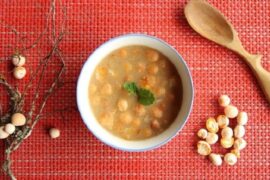

Chilean-style menestrón is a traditional stew made with vegetable broth, legumes, noodles, and seasonal vegetables. The main ingredients include beans, potatoes, squash, carrot, and basil. It’s prepared by cooking pre-soaked beans together with sautéed vegetables and short pasta, and served hot, optionally finished with basil pesto and grated cheese to bring out its aromatic profile. Menestrón, also called minestrón or minestrone, is a classic Italian dish that has adapted beautifully to South American cooking.
Nutritional Information
Each serving of homemade menestron contains approximately 250 kcal, 40 g of carbohydrates, 5 g of fat, 8 g of protein, 6 g of fiber, 5 g of sugars, 5 mg of cholesterol, and 300 mg of sodium. (*)
(*) Values may vary depending on ingredients and portion sizes.
How to Make Menestron?
Menestrón is made with whatever ingredients are most common or in season in each country; in Chile, it’s mainly built on vegetable broth, noodles, potatoes, squash, bell pepper, and beans, among other vegetables.
Prep time: 30 minutes
Cook time: 50 minutes
Servings: 4 people
Ingredients
- 800 ml (27 oz) vegetable broth
- 50 g (1.8 oz) noodles
- 3 potatoes
- 2 garlic cloves
- 2 bay leaves
- 1 carrot
- 1 onion
- 1 zucchini (Italian squash)
- 1 tablespoon basil
- ½ cup dried beans
- ½ red bell pepper
- ½ cup squash (calabaza)
- ½ cup green beans
- Olive oil
- Basil pesto
- Grated cheese
- Fine salt
- Black pepper
Instructions
- Soak the beans covered in cold water for 12 hours, drain, then in a large pot cover with water, add salt and the bay leaves, bring to a boil, and cook for about 30 minutes or until tender. Drain and set aside.
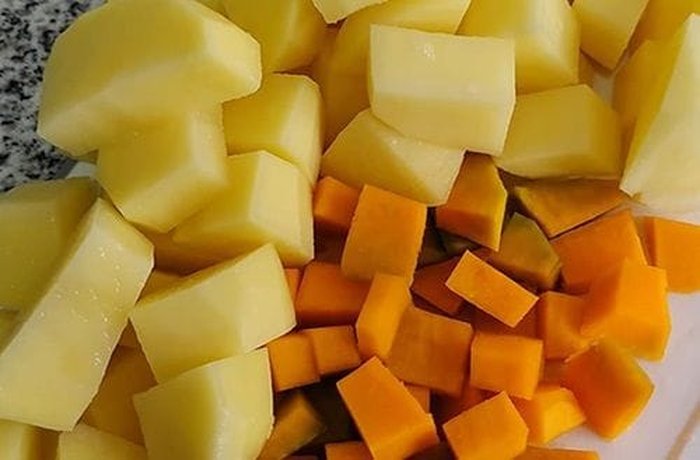
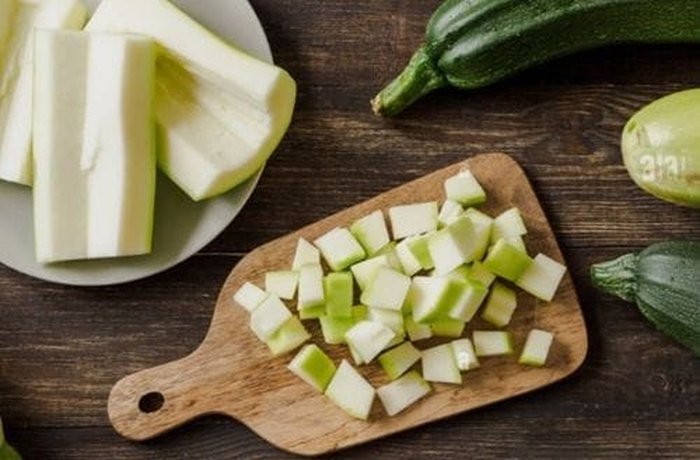
- Dice all the vegetables into similarly sized cubes: potatoes, carrot, bell pepper, squash, zucchini, and onion. Heat olive oil in a deep pot, add all the vegetables and the crushed garlic, and sauté for 3 to 5 minutes.
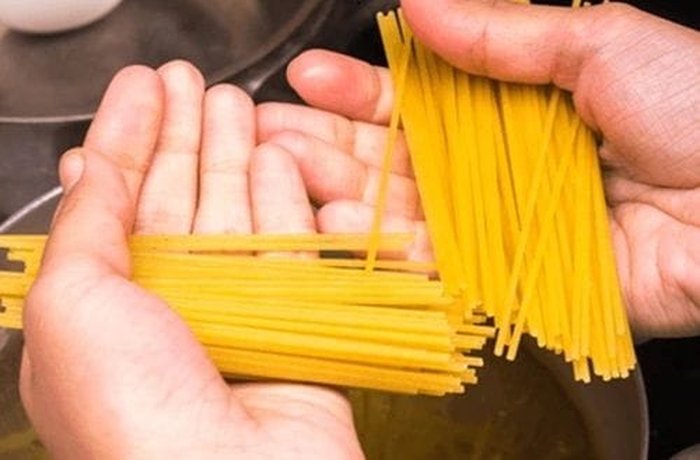
- Add the ground chili seasoning (aji de color), season with salt and pepper, and stir in the dried basil, mixing gently. Add the beans and the vegetable broth, and cook over medium heat for about 15 minutes; add the noodles, stir, and cook covered for another 5 minutes.
- Adjust salt and pepper and stir to combine. Serve the menestron immediately, piping hot, optionally adding a teaspoon of basil pesto to each bowl and sprinkling with grated parmesan cheese to taste.
Additional Homemade Tips
Cut vegetables evenly
Dicing all the vegetables (potato, carrot, squash, etc.) into similarly sized cubes ensures even cooking and a better presentation for the finished dish.
Best pasta shapes for menestron
The best choice is a small pasta that blends in well with the vegetable and legume pieces, without being too dominant. The most common options are short-cut noodles, ditalini (small tubes), or small shapes like elbow macaroni or shells.
Skip the overnight soak
If you don’t have time to soak the dried beans, the fastest option is a pressure cooker. After rinsing, cook the beans directly in the pressure cooker with water and salt for about 20 to 30 minutes (depending on the bean type) until tender. Alternatively, use canned beans, well rinsed, added only at the end of cooking.
| Substitution | Use instead of | Effect |
|---|---|---|
| Canned beans, rinsed | Dried beans | Saves the 12-hour soak |
| Ditalini or elbow macaroni | Broken noodles | Similar bite, more traditional Italian look |
| Butternut squash | Zapallo (calabaza) | Comparable sweetness and texture |
| Fresh basil, chopped | Dried basil | Brighter, fresher aroma |
Frequently Asked Questions (FAQs)
1. What’s the best type of pasta to use in menestron?
It’s best to use a small pasta shape that blends well with the vegetable and legume pieces without being too dominant. The most common types are short-cut noodles, ditalini (small tubes), or short pasta like elbow macaroni or shells.
2. Can I make menestron without soaking the beans?
If you don’t have time to soak the dried beans, the fastest method is a pressure cooker. After rinsing, cook the beans directly in the pressure cooker with water and salt for about 20 to 30 minutes (depending on the bean type) until tender. You can also use canned beans, well rinsed, adding them only at the end of cooking.
3. How does Chilean menestron differ from Italian minestrone?
The main difference lies in the ingredients and thickness. The Chilean version tends to be heartier, using dried beans as a thickening base and often a larger proportion of potatoes or squash. Original Italian minestrone tends to be lighter in consistency and sometimes includes ingredients like cavolo nero (Tuscan kale) that aren’t common in Chile.
4. How do I use basil pesto to get the best flavor?
Pesto is used as an aromatic flavor booster added at the end. To preserve its freshness and essential oils, it shouldn’t be cooked. Serve the menestron hot in bowls, then add a teaspoon of fresh basil pesto to each portion just before sprinkling with grated cheese. This lets the aroma of the freshly ground basil release with the steam.
What Is Menestron?
Menestrón uses whichever ingredients are most common or in season in each country; in Chile it’s mainly built on vegetable broth, noodles, potatoes, squash, bell pepper, and beans, among other vegetables.
History of Menestron in Chile
The word “menestrón” comes from the Latin “minestrare” (to serve a dish) and is essentially a vegetable soup made in Italy with whatever ingredients were available each season.
Did You Know?
Menestron is a soup rich in essential nutrients thanks to its wide variety of vegetables, such as carrots, potatoes, and green beans, which provide vitamins, minerals, and fiber. Soups in general are also an excellent source of hydration, especially on cold winter days in Chile.